Cat Behavior Explained: What Your Cat Is Telling You
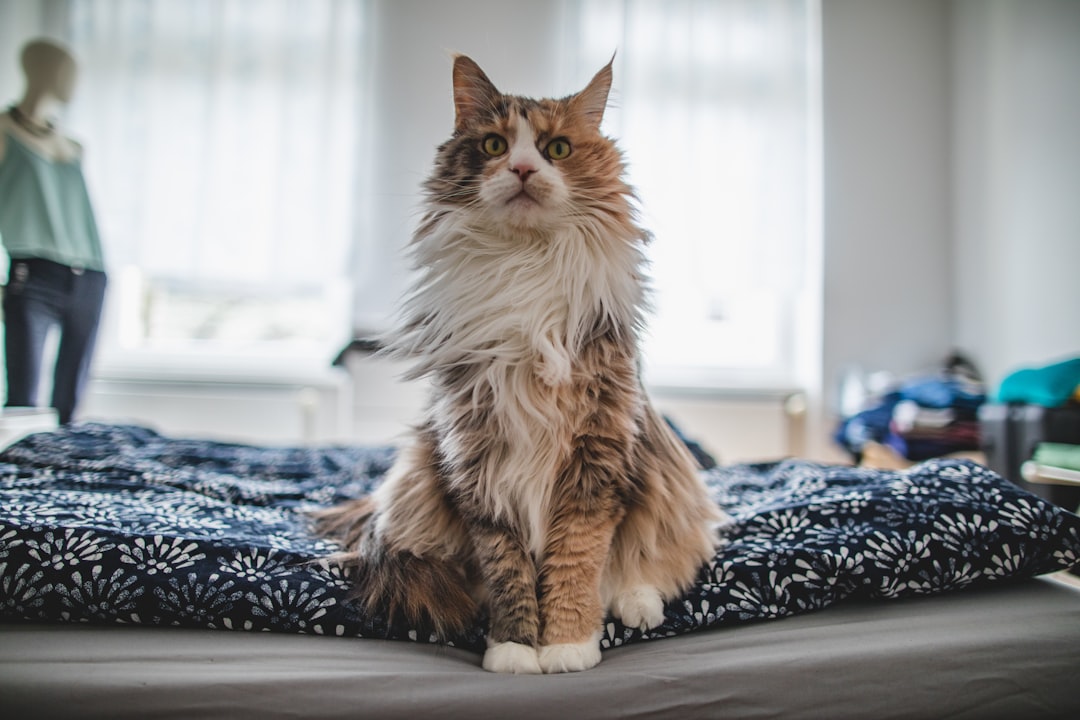
Cat behavior is how your cat communicates through body language, sounds, and daily habits. A tall tail signals confidence, flat ears signal fear, and a slow blink signals trust. Read the tail, ears, eyes, and voice together, never one alone. Watch for sudden shifts, since a fast change often points to pain or stress.
On this page
I record cats on my iPhone most mornings, and the patterns repeat. One foster, a skittish gray tom, flattens his ears the second the vacuum starts. My own cat greets me with a vertical tail and a chirp at the door. In my experience, the body speaks a beat before the meow does.
The 30-second read before you guess
Before you label a mood, scan four things in order. It takes about 30 seconds and stops most misreads.
- Tail: is it high and still, low and tucked, or puffed to twice its size?
- Ears: forward and relaxed, or flattened sideways like tiny wings?
- Eyes: soft and half-closed, or wide with round pupils?
- Body: loose and stretched out, or crouched and pulled in tight?
Read all four together. One signal alone can fool you. A puffed tail plus flat ears plus wide eyes is fear, not play.
Method 1: Read the tail
The tail is the loudest signal your cat owns. Held straight up, it means a confident, friendly hello, and a small quiver at the tip means real excitement. A low or tucked tail means worry. A puffed tail means your cat feels threatened and wants to look bigger.
A fast side-to-side lash is not a dog's happy wag. It means stop, even when your cat is purring — see cat purring and wagging tail meaning for that mixed signal. This tail flip is also why dogs misread cat body language so often. When it won't work: very young kittens haven't learned full tail signals yet, so lean on their body and voice instead.
Method 2: Read the ears
Ears swivel like little radar dishes. Forward-facing ears mean interest and calm. Ears turned sideways or pinned back mean fear, irritation, or pain, and they often come right before a swat. Twitching ears mean your cat is on alert and tracking a sound.
Watch the ears during play to catch the moment fun tips into too much. When it won't work: ears flattened during a vet exam or a bath reflect that stress, not your handling, so don't read them as a verdict on you.
Method 3: Read the eyes and face
Slow blinks are cat kisses. When your cat looks at you and blinks slowly, blink back to say you're safe. Dilated round pupils can mean arousal, fear, or excitement. Light changes pupil size too, so read the room before you read the mood.
Whiskers pushed forward mean curiosity. Whiskers pinned flat mean fear. These cues are real emotions, not projection — see does a cat have emotions for the full case. When it won't work: a cat in pain may hold a tense, still face, so pair the face with the body.
Method 4: Read the body and posture
A relaxed cat lies loose, sometimes belly-up, and that belly is trust — not always an invite to rub it. An arched back with raised fur is a fear display. A low crouch with a tucked tail means your cat wants to disappear. A slow, wiggling rear before a leap is hunting play.
Rubbing against your legs marks you as safe and familiar. When it won't work: a belly-up cat may still bite if you touch the stomach, so read the tail and ears before you reach in.
Method 5: Read the sounds
Cats keep a whole vocabulary. Short meows greet you, long yowls demand or signal distress, and a purr usually means contentment. A purr can also be self-soothing when a cat hurts, so the full cat purring meaning depends on the body too. Hissing and growling are plain warnings to back off.
Chirps and trills are a friendly "follow me." When it won't work: constant new meowing is a health flag, not a mood. Our guide on why your cat meows so much, the note on why your new cat meows so much, and the ASPCA notes on meowing all cover that.
Cat Translator
Curious what that meow means?
Cat Translator gives you a playful answer in seconds — on the iPhone you already have.

PetTalk — Pet Translator
4.51,245 ratingson the App Store
 Point your camera to install
Cat body language at a glance
Not every signal is obvious in the moment. This quick table pairs what you see with what it usually means. To read those signals alongside the sounds, see our cat translator guide.
| Signal | What you see | Usually means |
|---|---|---|
| Tail up, tip curled | Vertical and relaxed | Confident, friendly hello |
| Tail puffed | Fur up, back arched | Fear, wants to look bigger |
| Ears forward | Turned toward you | Calm interest |
| Ears flat back | Pinned sideways | Fear, irritation, or pain |
| Slow blink | Eyes half closed | Trust and comfort |
| Belly exposed | Rolled on the back | Relaxed, feels safe |
| Crouch, tail tucked | Low and compact | Scared, wants space |
Behavior reads mood, not health. If your cat's signals change suddenly and stay changed, that is a vet question. The Cornell Feline Health Center is a good place to start.
Cat Translator
Still reading about the signs?
Open Cat Translator and try a recording next time your cat talks. Free on iPhone, iOS 16 or newer.
PetTalk — Pet Translator
PetTalk — Pet Translator · Free · iOS 16+
Point your camera to installA calmer way to tune in: Cat Translator
Reading body language is free and needs no app. Once you know the basics, though, Cat Translator — our iPhone app, listed on the App Store as PetTalk — Pet Translator — is a fun way to play with your cat's chatter. It is built for entertainment, not diagnosis, so keep using the signals above for anything that matters.
The App Store listing describes the same simple loop:
- Record the sound your cat just made, right on your iPhone.
- The app analyzes it on the device — the listing says no audio leaves your phone — and answers within seconds.
- You get a short, playful line in your cat's imagined voice.
The listing shows the app runs on iPhone with iOS 16 or newer and is free to download. It works for cats and dogs, and the line it plays back is meant to make you smile, not to replace a vet. You can read the app's story on our about page or start at the Cat Translator home page.
Frequently Asked Questions
How do I read my cat's body language?
Read the tail, ears, eyes, and body together, never one signal alone. A high tail with forward ears and a slow blink is a happy, relaxed cat. Flat ears, a puffed tail, and wide eyes mean fear. When signals disagree, trust the tail and ears first, and give a scared cat room.
What does it mean when a cat wags its tail?
A cat's tail wag is not a happy wag like a dog's. A fast side-to-side lash usually means annoyance or overstimulation, and it asks you to stop. A slow, gentle sway can mean focus or mild interest. A quivering upright tail means excitement and a warm greeting.
Why does my cat stare at me and slow blink?
A slow blink is one of the clearest signs of trust a cat gives. It says your cat feels safe near you. Blink back slowly to answer in the same language. A hard, unblinking stare with a stiff body is different, and that one signals tension, so look away to ease the pressure.
How can I tell if my cat is stressed or scared?
A stressed cat crouches low, tucks its tail, flattens its ears, and may hide for hours. Wide eyes, sudden grooming, and hissing are other flags. Look for what changed, like a guest, a move, or a new pet. Keep routines steady, add hiding spots, and see a vet if it lasts.
Do cats show affection to their owners?
Yes, cats show affection in quiet, specific ways. Slow blinks, head bumps, cheek rubbing, kneading, and sleeping near you all point to a bonded cat. Some cats even bring toys as gifts. A vertical tail as your cat walks up is a plain, friendly hello.
Can an app tell me what my cat is thinking?
No app can read a cat's mind. Cat Translator is made for fun: you record a sound and it plays back a light, human-style line for entertainment, not a diagnosis. Use it to bond and laugh, and lean on the body-language signals above and a vet for anything that worries you.