How Long Can You Leave a Cat Alone?
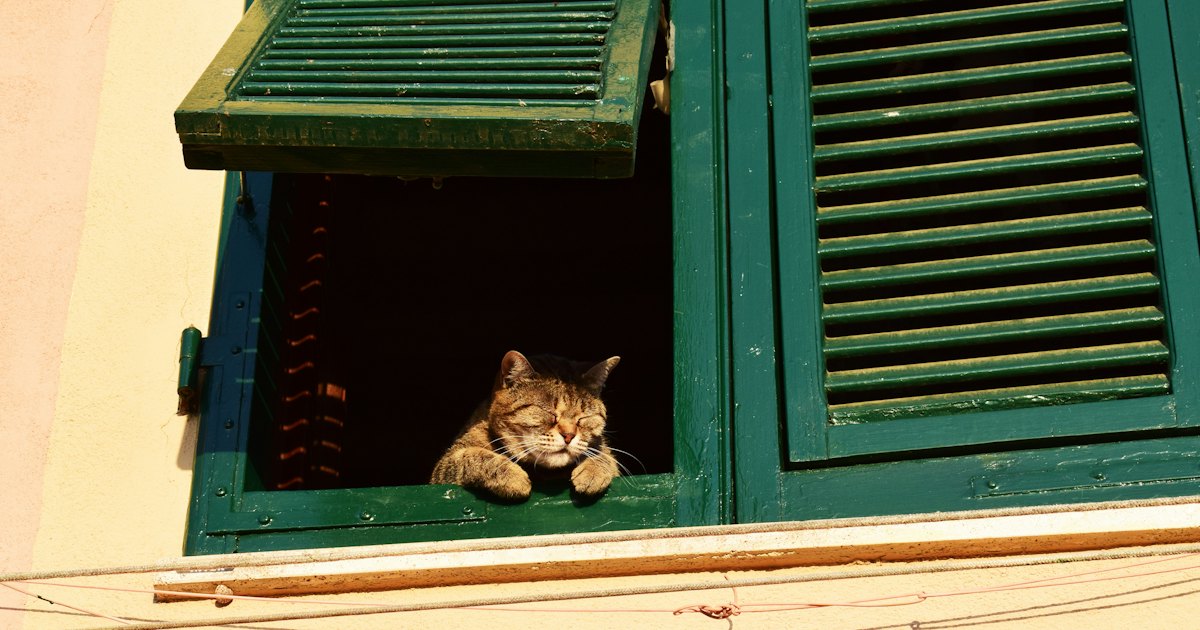
Most healthy adult cats can stay home alone for 24 to 48 hours with fresh water, a full bowl or automatic feeder, and a clean litter box. Kittens, senior cats, and cats with health conditions need a check-in every 8 to 12 hours instead. Plan for a sitter, boarding, or daily visitor once you're gone for 4 days or longer.
On this page
On practice, water and the litter box decide the real limit, not the food bowl. A cat with a full bowl but a dirty tray often skips the food rather than use it twice.
Age changes that math more than the calendar does. A 3-month-old kitten needs more check-ins than a healthy 5-year-old, and so does a 12-year-old cat with kidney issues.
Cat Translator
What if you answered
in her own language?
Cat Translator gives you a playful answer in seconds — on the iPhone you already have.

PetTalk — Pet Translator
4.51,246+ ratingsFree


The 30-Second Alone-Time Check
Run through this before you decide how long to leave your cat. It takes less time than packing your bag.
- Age and health: kittens under 6 months, cats over 12, and any cat on daily medication need shorter windows.
- Water and litter: enough for the full time away, plus a backup bowl in case one tips over.
- Food access: an automatic feeder or timed bowl if you'll be gone past a single workday.
- A recent vet checkup: skip long alone time right after surgery, a new diagnosis, or a medication change.
- A trusted check-in: a neighbor, pet sitter, or boarding spot lined up for anything past 48 hours.
Step 1: Match the Hours to Your Cat's Age and Health
Start with your cat's age and health, not your travel dates. A healthy adult cat between 1 and 10 years old usually handles 24 to 48 hours alone without trouble.
Kittens under 6 months still need food every few hours, so leaving one alone for a full day is risky. Senior cats, cats on daily medication, and cats with kidney or thyroid issues also need a shorter window — often no more than 8 to 12 hours between check-ins. A cat on insulin for diabetes needs someone there for each dose, so alone time isn't really an option on those days.
| Cat's situation | Safe max alone time | What they need |
|---|---|---|
| Healthy adult cat (1-10 years) | 24-48 hours | Water, litter box, and an automatic feeder or timed bowl |
| Kitten under 6 months | A few hours between meals | Frequent feeding; not left alone overnight |
| Senior cat (11+) or chronic illness | 8-12 hours between check-ins | Medication schedule, easy litter access, visible water |
| Diabetic cat on insulin | One missed dose is too long | Someone present for every scheduled dose |
| Any cat, 4+ days away | Needs daily in-person check-ins | Sitter, boarding, or a cat-savvy friend |
Step 2: Stock Water, Litter, and Food Before You Go
Water is the first thing to get right. Leave at least one large bowl or a pet fountain, and add a backup bowl in a different room in case the first one tips or runs dry.
For litter, scoop before you leave and add a second box if you're gone more than a day. Most cats won't use a box once it's full, and they'll hold it rather than go near a dirty tray.
Food depends on how long you're away. An automatic feeder set for two or three meals covers anything past a single workday, and it keeps mealtimes close to normal so your cat isn't starving by evening.
While you're setting up water and litter, take a quick look around the room for anything a bored cat might knock over or chew on while you're out. If there's any greenery your cat can reach, check our cat-safe plants list first.
Cat Translator
Still reading about the signs?
Open Cat Translator and try a recording next time your cat talks. Free on iPhone, iOS 16 or newer.
PetTalk — Pet Translator
4.51,246+ ratingsFree
Step 3: Add a Backup Check for Anything Past 24 Hours
Past 24 hours, build in one check from a person, not just gadgets. A neighbor, friend, or pet sitter who can look in once a day catches a tipped bowl, a stuck door, or a cat acting off before it turns into an emergency.
A pet camera helps you see what's happening, but it won't refill a bowl or scoop a box. Treat it as a way to check in, not a replacement for a real visit.
Step 4: Build In a Safety Net for 2 to 3 Days Away
For 2 to 3 days away, a single daily visit from a sitter or trusted neighbor becomes close to mandatory, even for a healthy adult cat.
Multiple cats sharing a space can also start fighting once routines slip. A mid-trip check catches that tension before it turns into a vet bill.
If your cat is yowling at the door the second you walk back in, that's usually relief or a demand, not anger. PetTalk - Pet Translator lets you record that sound and get a plain-English read in seconds, on your phone, with nothing uploaded — handy for telling a hungry greeting from real distress after a longer trip.
Step 5: Call In Help for 4 Days or Longer
Four days or more always needs a sitter, a boarding stay, or a cat-savvy friend checking in at least once a day.
At that length, a dirty litter box becomes a health issue, not just an unpleasant one. A cat without fresh water for days faces a real risk of dehydration.
Boarding works well for cats that don't mind new spaces. A sitter who comes to your home usually causes less stress for cats that hide from strangers or guard their territory.
Cat Translator
Still reading about the signs?
Open Cat Translator and try a recording next time your cat talks. Free on iPhone, iOS 16 or newer.
PetTalk — Pet Translator
4.51,246+ ratingsFree
Frequently Asked Questions
How long can I leave my cat alone?
Most healthy adult cats are fine alone for 24 to 48 hours with fresh water, a clean litter box, and enough food for the time away. Kittens, senior cats, and cats with ongoing health conditions need a shorter window, often with a check-in every 8 to 12 hours.
How long can cats be left alone overnight?
A single overnight, around 10 to 14 hours, works fine for most healthy adult cats.
Set out water, litter, and food before you leave, and have someone check in once if your cat is a kitten or on medication.
Is it OK to leave a cat alone for 4 days?
Not without help.
Four days or more needs a pet sitter, boarding, or a friend checking in at least once a day. Litter, water, and feeders can't reliably cover that much time unattended.
A missed feeder jam or a tipped water bowl turns into a real problem fast at that length.
Can I leave my kitten alone for a weekend?
No, not without a sitter.
Kittens under 6 months need feeding every few hours and can't be left for a full weekend on their own. Once a kitten is older than 6 months and eating solid food reliably, the 24-to-48-hour adult guideline starts to apply.
What if fireworks or a storm hit while I'm away?
Cats often startle badly at sudden loud noise.
Leave a hiding spot ready, like a covered carrier or a half-open closet, especially on nights with fireworks or a storm. If you know a loud event is coming, try not to schedule a long trip for that exact day.
How do I know my cat struggled with being alone too much?
Watch for changes you notice the moment you get home. A full litter box, untouched food, bald patches from grooming, or frantic greeting that doesn't settle down are all signs your cat struggled more than expected.
Our guide to cat behavior covers more of these signals if you want a fuller checklist.