How Often Should You Change Cat Litter?
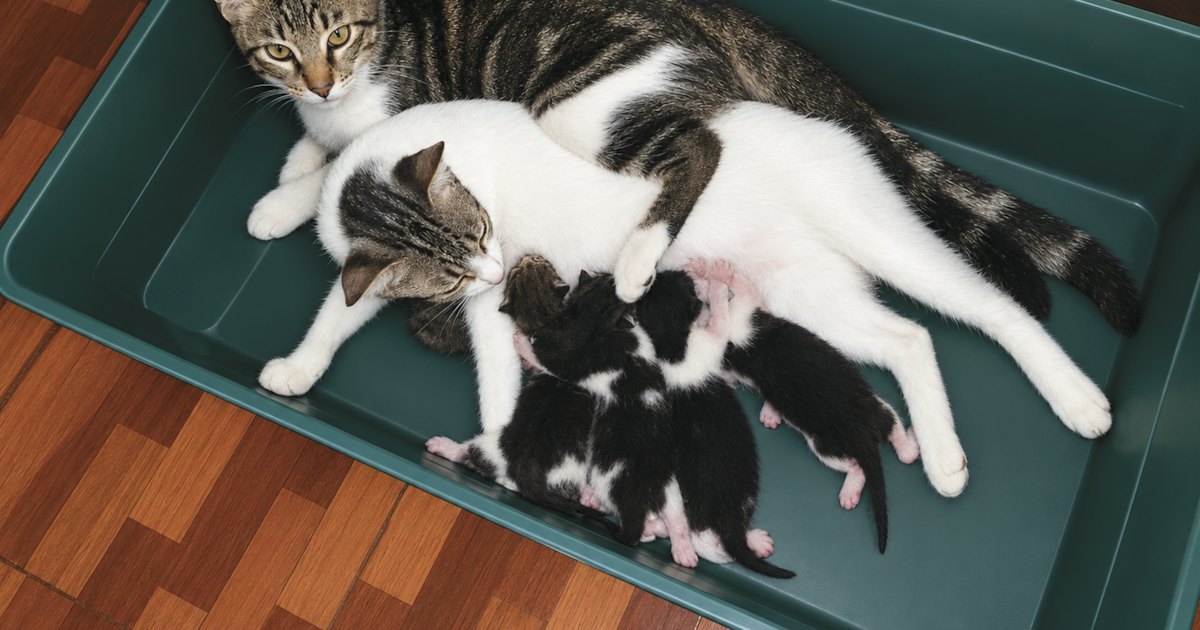
Scoop clumping litter once or twice a day and do a full box change every two to three weeks. Non-clumping litter needs a full change every two to three days instead. Multi-cat homes shorten both schedules, since more cats mean more waste sitting in the same box between cleanings.
On this page
In practice, the schedule matters less than sticking to it. A box scooped every day almost always smells fine at the three-week mark. Skip scooping for a weekend, and that box usually needs an emergency dump sooner than planned. Treat the full change as a backstop, not the main defense.
Cat Translator
What if you answered
in her own language?
Cat Translator gives you a playful answer in seconds — on the iPhone you already have.

PetTalk — Pet Translator
4.51,246+ ratingsFree


The 30-Second Litter Check
Answer three quick questions before you set a schedule. How many cats use this box? Is it clumping or non-clumping litter? And how many days actually pass, realistically, between your cleanings? Those three answers decide everything below.
Method 1: Scoop Once or Twice a Day, Every Day
Scooping is the daily task that makes everything else optional. Pull out solid waste and clumped urine once in the morning and once in the evening, if you can manage it. One scoop a day is the minimum for a single cat in a quiet home.
Skipping even one day lets ammonia build up fast, and most cats avoid a box that smells strongly of it. If your cat starts going near the box instead of inside it, check the scoop schedule first.
This step is free and takes under a minute, but it only works if someone does it every day. Travel, late shifts, or a hands-off housemate are the usual reasons it slips. Plan a backup person, or a second box, if daily scooping is not realistic for your week.
- Single cat, quiet home: once a day
- Single cat, large or very active: twice a day
- Any multi-cat home: twice a day minimum
Method 2: Do a Full Change on a Schedule That Matches Your Litter Type
Daily scooping handles solid waste, but liquid residue and odor still build up in whatever litter is left behind. That is why a full dump-and-wash matters even if you scoop every single day.
Clumping litter usually goes two to three weeks between full changes, since each clump pulls urine out as it forms. Non-clumping litter absorbs urine instead of binding it. A full change every two to three days keeps it from turning into a solid, smelly block. The guide on clumping vs. non-clumping litter walks through which type fits your household if you have not picked one yet.
Multi-cat homes compress both numbers. Two cats sharing one box can push a three-week clumping cycle down to one to two weeks. The box simply fills up with waste roughly twice as fast.
- Clumping, 1 cat: full change every 2-3 weeks
- Clumping, 2+ cats: full change every 1-2 weeks
- Non-clumping, any cat count: full change every 2-3 days
If a vet is monitoring a urinary condition, follow their schedule instead of these defaults. Medical monitoring takes priority over a general routine.
Cat Translator
Still reading about the signs?
Open Cat Translator and try a recording next time your cat talks. Free on iPhone, iOS 16 or newer.
PetTalk — Pet Translator
4.51,246+ ratingsFree
Method 3: Add a Box Before You Add Days, in Multi-Cat Homes
More cats do not just mean more scooping — they usually mean more boxes. A common starting point is one box per cat plus one extra, so two cats get three boxes between them.
Cats can share a box the way people share a bathroom: it works until someone is asleep, sick, or just slow, and then it does not. Why your cat is hissing at your other cat covers what box-guarding and hissing between cats usually means. That is often the first sign one cat is avoiding a shared box.
Spread boxes across different rooms instead of lining them up side by side. That gives a nervous or lower-ranked cat somewhere to go without walking past a rival first.
- 1 cat: 2 boxes (one plus a spare)
- 2 cats: 3 boxes
- 3 cats: 4 boxes
A small apartment will not fit four boxes comfortably. In that case, prioritize spreading the boxes you do have across separate rooms over hitting the exact count.
Method 4: Handle Odor Between Changes Without Overcorrecting
A full change every two or three weeks still leaves a gap where the box can start to smell. A thin layer of unscented baking soda, stirred into the litter after scooping, absorbs odor. It skips the perfume that makes some cats avoid the box entirely.
For a fast fix, scoop first, then wipe the inside walls of the box with a damp cloth. Odor clings to the plastic, not just the litter. Letting the box air out for a few minutes before refilling clears ammonia faster than spraying anything over it.
Scented litters and deodorizing sprays mask the smell for you, but a cat's nose is far more sensitive. A cover-up can push a picky cat to use the floor instead of the box. For general litter box health background beyond scheduling, the Cornell Feline Health Center publishes further reading worth a look.
Litter Change Schedule at a Glance
| Litter type | Cat count | Daily scoop | Full change |
|---|---|---|---|
| Clumping | 1 | 1-2x daily | Every 2-3 weeks |
| Clumping | 2+ | 2x daily | Every 1-2 weeks |
| Non-clumping | Any | 1-2x daily (skim) | Every 2-3 days |
If a cat starts vocalizing more around the box — chirping at the door, yowling before you let them in, or going quiet mid-scratch — that is usually about access or smell. It is not about the litter brand. What do cat sounds mean breaks down which noises tend to go with which situation.
Cat Translator
Still reading about the signs?
Open Cat Translator and try a recording next time your cat talks. Free on iPhone, iOS 16 or newer.
PetTalk — Pet Translator
4.51,246+ ratingsFree
Frequently Asked Questions
How often should you change cat litter?
Change clumping litter fully every two to three weeks for one cat, or every one to two weeks with two or more cats. Change non-clumping litter fully every two to three days regardless of cat count. Scoop clumping litter once or twice daily between full changes to stretch the schedule safely.
How often do you change cat litter with multiple cats?
With two or more cats sharing a box, full clumping changes usually move down. They go from every two to three weeks to every one to two weeks. Scoop twice a day instead of once, since a shared box fills up roughly twice as fast as a single-cat box.
Can cats share a litter box?
Cats can physically share a litter box, but most do better with their own. A common rule is one box per cat plus one extra. A shared box that smells or feels crowded is a frequent reason a cat starts avoiding it or guarding it from a housemate.
How many litter boxes do I need for two cats?
Two cats typically need three litter boxes — one per cat plus a spare — placed in separate rooms rather than side by side. That spacing gives a lower-ranked or nervous cat somewhere to go without passing a more confident cat first.
How do I get rid of cat litter smell fast?
Scoop out waste first, then wipe the box's inside walls with a damp cloth, since odor clings to the plastic as much as the litter. Let the box air out a few minutes before refilling. Then stir in a thin layer of unscented baking soda to absorb odor without adding a scent a cat might avoid.
How often should you clean a litter box versus fully change it?
Clean, meaning scoop, once or twice every day without exception. Fully change the litter — dump it all and wash the box — on its own schedule. Do this every two to three weeks for clumping litter, or every two to three days for non-clumping litter, whichever type you use.
How many times a day should I feed my cat, and does it affect litter box use?
Most adult cats do well on two to four small meals a day, and more frequent, smaller meals usually mean more frequent, smaller litter box trips rather than a bigger mess. Our guide on how many times a day a cat should eat walks through portions and timing by age and weight.