Cat Purring Meaning: What Your Cat's Purr Is Telling You
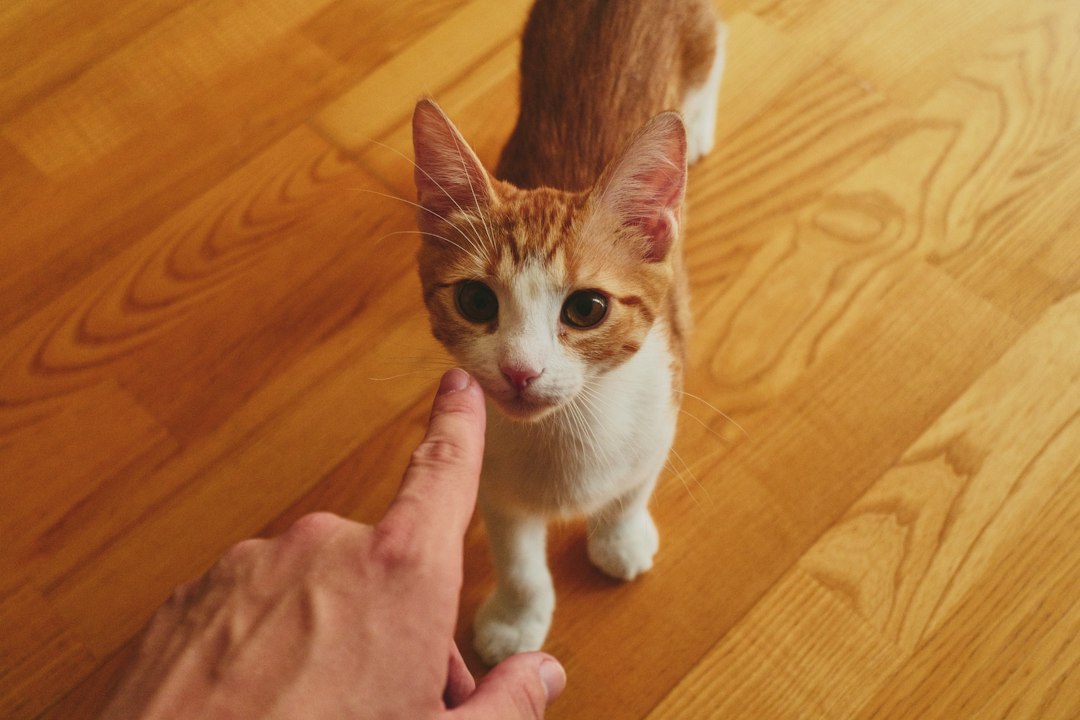
Cat purring usually means contentment: a relaxed cat purrs when it feels happy, safe, or settled while you pet it. Purring is also self-soothing, so cats purr when anxious, in pain, hungry, or healing too. Read the purr with body language and context, never on its own.
On this page
I record my cats on an iPhone 13 most mornings, and their purrs don't all sound alike. Miso, my lap cat, purrs low and steady the second she settles on my chest. My older rescue, Pepper, only purrs at the vet — a fast, thin purr that has nothing to do with joy.
The 30-second purr check before you guess
Before you read a purr as pure joy, run a quick scan. It takes about 30 seconds and stops the most common misread.
- Body: is your cat loose and sprawled, or crouched and tense?
- Setting: are you petting a calm cat, or is this a vet room or a scary moment?
- Pitch: is the purr low and slow, or fast, high, and urgent?
- Extras: is a paw kneading and a slow blink there too, or are the ears pinned back?
A low purr from a loose, sprawled cat is the happy kind. A fast, high purr from a tense, crouched cat is self-soothing, and that one is worth a closer look.
Method 1: Read the happy, content purr
This is the purr most owners picture. A content cat purrs at a low, steady rumble you can feel through your hands, while it lies loose or kneads your lap. You'll usually see soft, half-closed eyes, a relaxed tail, and neutral or forward ears. Petting, warmth, and your quiet company all set it off.
Pair the sound with the body and you can trust it. A happy cat may also purr loudly — here is what cat loud purring meaning covers, message by message. When that rumble is low and chesty, read cat deep purring meaning. A content cat may also purr often, so here is what a cat purring a lot means. When it won't apply: a cat that purrs while crouched, hiding, or flinching isn't content, so read the whole scene before you assume all is well.
Method 2: Spot the self-soothing purr
Cats also purr to calm themselves when they feel scared, sick, or hurt. A cat at the vet, a cat in labor, or an injured cat may purr the way a person hums to steady their nerves. The tell is the mismatch: a purr paired with a tucked tail, flat ears, or a tense, frozen body.
Trust the body over the sound here. The Cornell Feline Health Center is a solid place to read up on feline pain and stress signals. When it won't apply: a purr with loose, happy body language is just contentment, so don't read distress into every rumble.
Method 3: Read the solicitation purr
Some cats fold a higher, urgent cry into the purr to get you moving, usually at breakfast. This is the solicitation purr — a rumble with a meow-like peak hidden inside that people find hard to tune out. You'll hear it near an empty bowl or in the kitchen at 6 a.m.
Feed on a set schedule and the dawn purr-cry eases. When it won't apply: if your cat begs for food nonstop yet stays thin or ravenous, that's a vet question, not a habit.
Method 4: Read the purr with body language
A purr never travels alone. Pair it with the tail, ears, and eyes to get the real message. A tall, still tail with a slow blink means a happy, bonded cat. A twitching tail with pinned ears means stop, even mid-purr.
Our full guide to cat behavior explained breaks down each signal in order, and reading cat purring meaning behavior shows how the purr and the body cues fit together. If the rumble happens as your cat drifts off, read the sleep-purr section below — age and breathing change the message. When it won't apply: a cat in pain can hold a flat, still face, so read the body and the setting together, not one part alone.
Method 5: Know when a purr needs a vet
Most purring is normal and needs no action. Book a vet visit when the purr comes with warning signs: hiding, a drop in appetite, labored or open-mouth breathing, limping, or a purr that starts out of nowhere in an older cat. A purr never rules out pain on its own.
Bring a 15-second phone video and note when it happens. The Cornell Feline Health Center is a good place to read first. When it won't apply: a bright, hungry, playful cat that purrs on your lap isn't a medical case.
Cat purr types and what they mean
Not every purr carries the same message. This quick table pairs the purr you hear with the likely reason and your next move. To pair sound with body language in one place, see our cat translator guide, and for the noisier end, what your cat meowing sounds mean. For a breakdown of each purr sound on its own, see our guide to the cat purring sound meaning. A purr aimed at you, a petting purr, and a sleep-purr use the same read: body plus setting, not the adjective. To read the purr as a message with a sender and a receiver, see cat purring communication meaning.
| Purr you hear | Likely meaning | What to do |
|---|---|---|
| Low, steady rumble; cat relaxed | Contentment | Enjoy it; keep petting |
| Purr while kneading your lap | Comfort and bonding | Let it happen — it's a compliment |
| Fast, thin purr at the vet or in a carrier | Self-soothing from stress | Stay calm; don't force handling |
| Purr mixed with an urgent cry | Solicitation, usually for food | Feed on schedule; don't reward pestering |
| Purr with flat ears or a tucked tail | Fear or possible pain | Give space; see a vet if it lasts |
| New purring plus hiding or off food | Possible illness | Book a vet check |
Behavior reads mood, not a diagnosis. A purr that pairs with a sudden change and sticks around is a vet question, not a home fix. When the sound is a hiss instead, here is why cats hiss.
Cat Translator
Curious what that meow means?
Cat Translator gives you a playful answer in seconds — on the iPhone you already have.

PetTalk — Pet Translator
4.51,245 ratingson the App Store
 Point your camera to install
A lighter way to tune in: Cat Translator
None of the reads above need an app. Once you know what your cat's purr is telling you, though, Cat Translator — our iPhone app, listed on the App Store as PetTalk — Pet Translator — is a fun way to play with all that chatter. It is built for entertainment, not diagnosis, so treat its lines as a game and keep using the reads above for anything that matters.
The App Store listing walks through the same short loop:
- Set up a quick pet profile with your cat's name, breed, and age.
- Hold your iPhone near your cat, tap record, and let the purr or meow finish — the listing says it all runs on the device, with no audio uploaded.
- Read the playful, human-style line it returns within seconds and save it to your history.
The listing shows the app runs on iPhone with iOS 16 or newer, is free to download, and covers both cats and dogs. The read-back is meant to make you smile, not to replace a vet. You can read the app's story on our about page or start at the Cat Translator home page.
Loud, deep, high, and constant purrs are the same read
A loud purr is usually a happy, healthy cat turning the volume up — breed and chest size do most of the work. Volume by itself is not a diagnosis. A purr that suddenly turns loud and breathy, or comes with open-mouth breathing, is the exception: same-day vet.
A deep chest rumble with a loose body is the classic contented motor. A thin, high, fast purr is more common in kittens and in cats that are wound up or sore. Frequency is separate from volume: a cat that purrs a lot all day while loafing is usually fine; a cat that started purring nonstop this week with hiding or skipped meals is not.
Labels like communication or behavior on a purr are the same story in different clothes. The sound is social when aimed at you with an upright tail and a slow blink, and it is self-soothing when the body is tight. Read the body, not the adjective.
Cat Translator
Still reading about the signs?
Open Cat Translator and try a recording next time your cat talks. Free on iPhone, iOS 16 or newer.
PetTalk — Pet Translator
PetTalk — Pet Translator · Free · iOS 16+
Point your camera to installIf your cat purrs in its sleep
A sleep-purr usually means the cat feels safe enough to relax fully. It fades in deep sleep and comes back in light sleep. Age is the fork: a kitten or a healthy adult that has always sleep-purred is the easy, happy kind. A cat over 10 that suddenly starts, or purrs far more than it used to, may be self-soothing a new ache.
- Kneading paws with the rumble: deepest comfort, straight from kittenhood.
- Twitching paws or whiskers: dreaming in light sleep — normal.
- Fast or shallow breathing, a hunched body, or a cat that won't rouse: not a happy sleep-purr. Same-day vet.
A brand-new sleep-purr the same week you added a warm perch is almost certainly comfort. A brand-new one in a senior plus hiding or skipped meals is not. Kneading plus purring is a different job — see cat kneading and purring meaning.
If your cat purrs when you pet it
A petting purr usually means the touch feels safe. It can also run right up to a bite. Watch the tail and the skin, not just the rumble. A loose cat that leans in is enjoying it. A purr with a lashing tail, rippling skin along the back, or ears rotating back is petting-induced overstimulation — stop, even if the purr keeps going.
- Start with cheeks, chin, and the base of the ears. Many cats dislike the belly, the tail base, and the paws.
- A start-and-stop purr that returns when you stroke again is a keep-going ask, not a food cry.
- Flinching or crying when you touch one spot, plus a new purr in an older cat, is a vet question.
Keep sessions short. The ASPCA's guide to cat aggression describes these petting signals. A fully sprawled, blinking cat is not about to bite, so you don't need to hover over every stroke.
If your cat purrs and wags its tail
Cats don't wag for joy the way dogs do. A purr plus a moving tail usually means two things at once: comfort from the rumble, and mild excitement, focus, or irritation from the tail. Read speed and the rest of the body.
- Slow, loose side-to-side sway, loose body: relaxed interest. Enjoy it.
- Just the tip twitching: mild focus, common on a lap or at a window.
- Fast thump against the couch, or a whip with a stiff body and flat ears: give space now.
The classic mix-up is petting: the early purr is genuine, then the tail speeds up and a nip follows. Stop the second the tail tightens. A wagging tail plus a growl or a hiss is a plain ask for room; see why cats hiss. A tail that twitches once as your cat drifts off is a dream flicker, not a mood.
Frequently Asked Questions
What does it mean when a cat purrs?
A cat purring usually means it feels content, safe, and relaxed. Most purrs happen during petting, resting, or bonding with you. Purring can also be self-soothing, so a scared, sick, or injured cat may purr to calm itself. Read the purr with the tail, ears, and setting to tell contentment from stress.
Do cats only purr when they're happy?
No, cats do not only purr when happy. Contentment is the most common reason, but cats also purr to self-soothe when anxious, in pain, giving birth, or unwell. A purr paired with a tucked tail, flat ears, or hiding points to stress, not joy. Always read the body language alongside the purr.
Why does my cat purr when I pet him?
Your cat purrs when you pet him because he feels safe, relaxed, and bonded to you. Petting echoes the grooming a mother gives her kittens, and a purr is how a content cat answers. Slow blinks, kneading, and a loose body confirm it. If he purrs but flicks his tail or tenses, ease off — that's overstimulation, covered in the petting section above.
Can cats purr when they are in pain?
Yes, cats can and do purr when they are in pain. Purring seems to help a cat self-soothe, so an injured, sick, or frightened cat may purr the way a person hums under stress. The clue is the context: a purr with a tense body, flat ears, hiding, or a loss of appetite deserves a vet visit.
Why does my cat purr so loudly?
Some cats simply purr louder than others, and a loud purr is usually a happy, healthy sign. Volume varies by the cat, its age, and its breed, with no cause for worry on its own. A purr that suddenly turns loud and breathy, or comes with open-mouth breathing, is different, and that pairing is worth a same-day vet call.
Can an app tell me what my cat's purr means?
No app can truly tell you what your cat's purr means. Cat Translator is made for fun: you record a sound and it plays back a light, human-style line for entertainment, not a medical reading. Use it to bond and laugh, and lean on the body-language reads above and a vet for anything that worries you.