Why Do Cats Hiss? What Cat Hissing Really Means
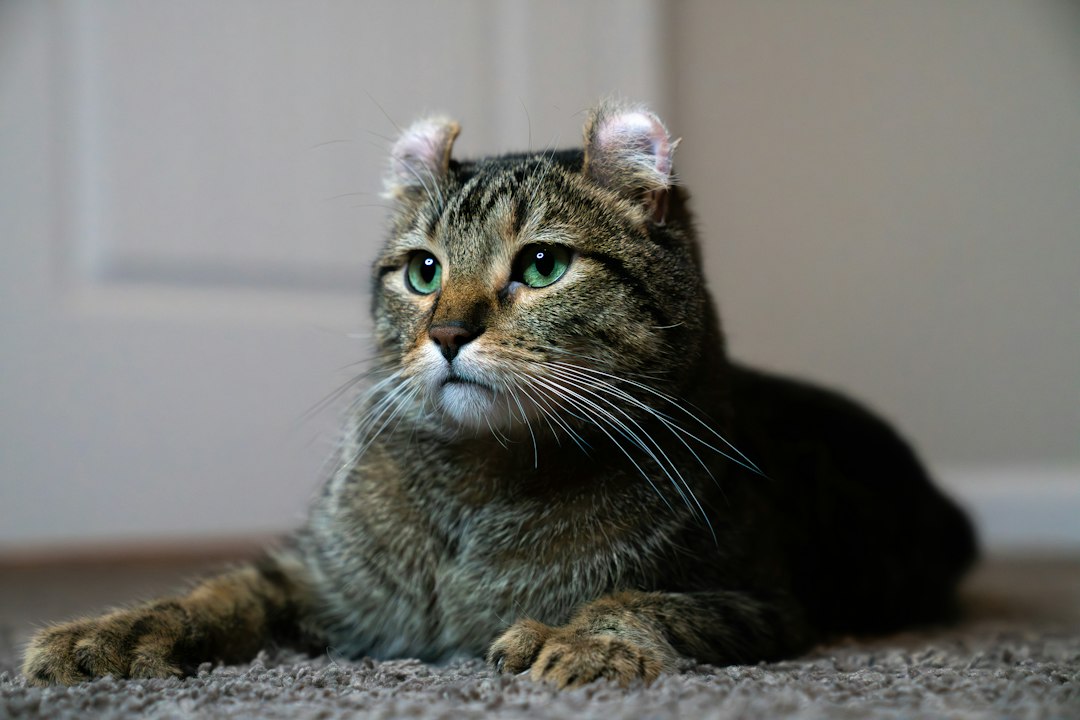
Cats hiss as a warning, not an attack. A hiss means your cat feels scared, cornered, in pain, or overstimulated and wants whatever is bothering it to back off. It reads as scary, but it is defensive. Give the cat space, remove the trigger, and check for pain if the hissing is new.
On this page
I foster cats and record them on an iPhone 13 most weeks. One new arrival, a tortie named Pepper, hissed at my resident cat through the door for three days straight. My own cat hisses at exactly one thing: the carrier. The trigger is almost always fear, not spite.
The 30-second test before you react
Before you do anything, read the whole cat, not just the sound. A hiss rarely travels alone.
- Body: is your cat crouched low and pulling back, or leaning forward to strike?
- Ears: flattened sideways and pinned is the classic hissing pose, and it means fear.
- Trigger: what changed in the last minute — a hand, a new pet, a loud noise, a vet room?
- History: is this brand new, or a known reaction to one specific thing?
A backing-away hiss is defensive and normal. A forward, growling cat that hisses is escalating, so stop and give room. New, frequent hissing with no clear trigger is a reason to call your vet.
Cat Translator
Curious what that meow means?
Cat Translator gives you a playful answer in seconds — on the iPhone you already have.

PetTalk — Pet Translator
4.51,245 ratingson the App Store
 Point your camera to install
Why cats hiss: the common reasons
A hiss is one message with several causes. Cats force air through a wide-open mouth to sound like a snake, and it means one thing: back off. Here is what usually sits behind it.
- Fear: a stranger, a dog, a loud noise, or a trip to the vet.
- Pain: a sick or injured cat hisses when a sore spot gets touched.
- Territory: a new cat, a new baby, or an outdoor cat at the window.
- Overstimulation: too much petting, which flips a purr into a hiss fast.
- Protection: a mother cat guarding her kittens from anything that comes close.
- Redirected upset: a cat wound up by something it can't reach takes it out on you.
Sound is only one channel. A hiss almost always rides on top of angry cat body language — flat ears, wide pupils, a stiff or crouched body. For the full picture of what your cat's body says, read our guide to cat behavior. A cat that gets loud in other ways may have a different problem, so why your cat meows so much covers that side.
| Situation | What the hiss means | What to do |
|---|---|---|
| Hiss when you reach in | "Leave me alone right now" | Stop, step back, give space |
| Hiss at a new cat | Territory and a strange scent | Separate, then reintroduce slowly |
| Hiss when touched in one spot | Possible pain | See a vet |
| Hiss during petting | Overstimulation | End the session at the first tail flick |
| Hiss at the vet or carrier | Fear of a scary place | Stay calm, don't force it |
| Mother cat hissing | Protecting her kittens | Keep people and pets away |
Behavior reads mood, not a diagnosis. If the hissing is new and sticks around, that is a vet question. The Cornell Feline Health Center is a solid place to start reading.
Fix 1: Freeze and give space right away
The second your cat hisses, stop. Don't reach in, pick it up, or lean over, because that reads as a threat and can turn a hiss into a bite. Step back and let the cat choose to leave. Cats usually settle within a few minutes once the pressure lifts. When it won't work: a cat cornered with no exit stays defensive, so always leave an open escape route.
Fix 2: Remove the trigger, not the cat
Find what set your cat off and take that away, instead of grabbing the cat. Close the blinds on the outdoor cat it spotted. Put the vacuum away. Ask a loud guest to sit down and ignore it. If two cats are squaring off, calmly block the sightline with a towel or a piece of card. When it won't work: if the trigger is a permanent housemate, a slow reintroduction beats a quick patch.
Fix 3: Rule out pain if the hissing is new
A cat that never hissed and suddenly does may be hurting. An injury, dental disease, arthritis, or an infection makes a cat snap when touched. The ASPCA lists pain-induced aggression as a real category, and a sore spot is easy to miss at home. Note where your cat flinches and book a vet visit. When it won't work: a lifelong dread of the carrier or the vet isn't a medical case, so don't over-test a known fear.
Fix 4: Reintroduce cats slowly after a clash
Hissing between cats usually means the introduction went too fast. Separate them into different rooms, each with its own food, water, and litter. Swap bedding so each one learns the other's scent. Feed them on opposite sides of a closed door, then move to short, supervised visits over 1 to 2 weeks. When it won't work: if fights draw blood or the hissing never eases, ask your vet or a behaviorist for a longer plan.
Fix 5: Prevent the next hiss
Catch the warning signs and stop before the hiss lands. Flattened ears, a twitching tail, and a stiff freeze all come first. End petting at the first tail flick, since many cats hiss from overstimulation rather than anger. Give a shy cat tall perches and hiding boxes so it never feels cornered. When it won't work: you can lower the hissing, but a fearful rescue may always warn before it trusts, and that is fine.
Cat Translator
Still reading about the signs?
Open Cat Translator and try a recording next time your cat talks. Free on iPhone, iOS 16 or newer.
PetTalk — Pet Translator
PetTalk — Pet Translator · Free · iOS 16+
Point your camera to installA calmer way to tune in: Cat Translator
None of the steps above need an app. Once your cat feels safe again, though, Cat Translator — our iPhone app, listed on the App Store as PetTalk — Pet Translator — is a fun way to play with your cat's sounds. It is built for entertainment, not diagnosis, so keep using the steps above for a real hiss.
The App Store listing walks through the same short loop:
- Set up a quick pet profile with your cat's name, breed, and age.
- Hold your iPhone near your cat, tap record, and let the sound finish — the listing says it all runs on the device, with no audio uploaded.
- Read the interpretation it returns within seconds and save it to your history.
The listing shows the app runs on iPhone with iOS 16 or newer, is free to download, and covers both cats and dogs. The line it plays back is meant for laughs, not a vet visit. Never crowd a mid-hiss cat with a phone — give it space first. You can read the app's story on our about page or start at the Cat Translator home page.
Frequently Asked Questions
Why does my cat hiss at me?
Your cat hisses at you when it feels scared, threatened, or in pain, not because it dislikes you. A hiss is a request for space. Look at what you were doing — reaching in, picking it up, or trimming nails often set it off. Back off, and check for pain if the hissing is new or your cat flinches at your touch.
Is cat hissing a sign of aggression?
Cat hissing is defensive, not offensive — it warns "back off" instead of starting a fight. A hissing cat usually wants to avoid trouble, not cause it. The ASPCA lists open-mouthed hissing among defensive signals. True aggression looks different: a forward lean, growling, and swatting with claws out. Give a hissing cat room and it will usually retreat on its own.
Why is my cat hissing at the new kitten?
Your resident cat hisses at a new kitten because the introduction moved too fast and the kitten smells like an intruder. This is normal in the early days. Separate them, swap scents, and feed on opposite sides of a closed door before any short visits. Most pairs settle over 1 to 2 weeks. Slow and boring beats fast and stressful.
Should I punish my cat for hissing?
No — never punish a hissing cat. A hiss is honest communication that your cat feels unsafe, and punishment only piles on fear and can trigger a real bite. Instead, remove whatever is scaring it and give space. Punishing the warning teaches a cat to skip the hiss and jump straight to scratching next time.
How long does cat hissing last?
A single hiss ends in seconds once the trigger is gone. Situational hissing, like at the vet or in the carrier, stops when the event ends. Hissing between cats after a rough introduction can run days to a few weeks and eases with a slow reintroduction. Frequent hissing with no clear cause deserves a vet check for hidden pain.
Can an app tell me why my cat is hissing?
No app can diagnose why your cat hisses. Cat Translator is made for fun: you record a sound and it plays back a light, human-style line for entertainment, not a medical reading. Use it to bond and laugh once your cat is calm, and lean on the steps above and a vet for a real hiss.