Why Is My Pregnant Cat Meowing So Much?
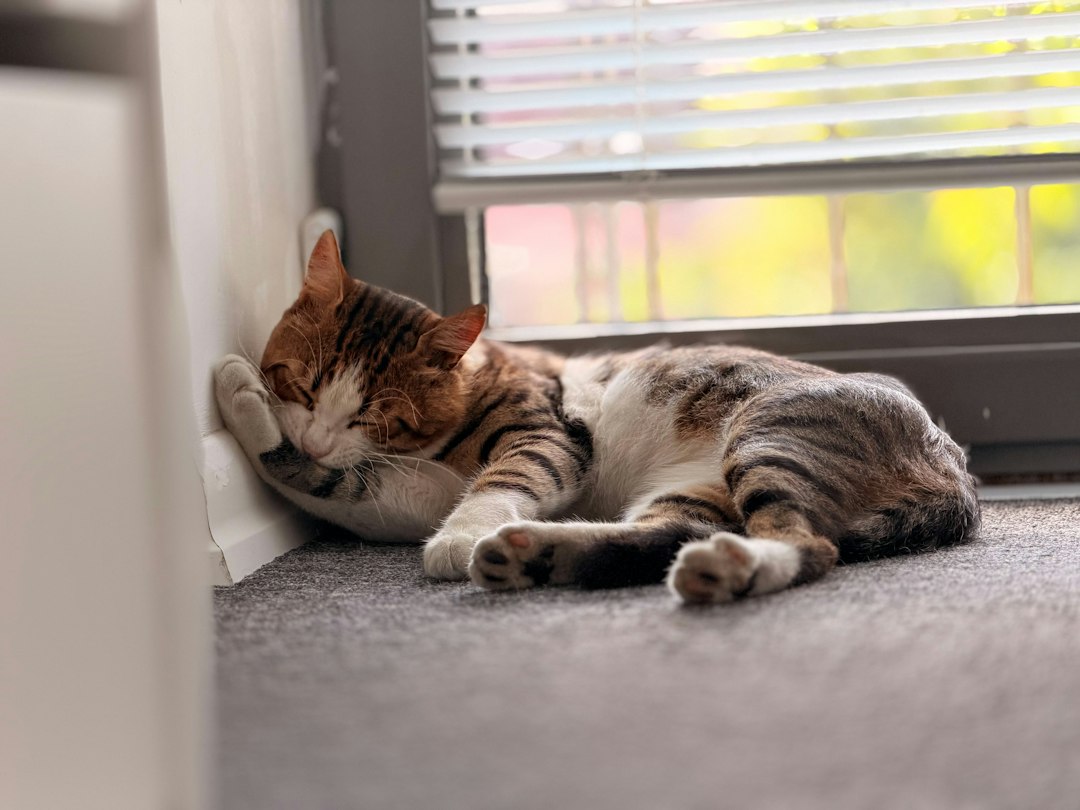
Your pregnant cat meows so much because of shifting hormones, a bigger appetite, and a growing need for reassurance as her due date nears. Extra vocal, restless nesting near the end can signal that labor is close. Most of it is normal — but sudden distress or straining means call the vet now.
On this page
Here is the pattern that matters most. A queen who was quiet for weeks often turns clingy and loud in her final days, paces to her nesting spot, and cries there each evening. As the VCA guide describes, that late shift — repeated trips to the bed, scratching, and panting — is a first-stage-of-labor sign, not random noise. Watch the change in her meowing, not just the volume.
The 30-second check: normal or a red flag?
Before you worry, run a quick triage. Three questions sort routine pregnancy chatter from a real problem.
- How far along is she? Cat pregnancy runs 63 to 65 days on average, so late-term crying with nesting is usually pre-labor.
- Is she straining, panting hard, or leaking a brownish discharge? Those signs point to labor or trouble, not chatter.
- Are her food, water, and litter box full and clean? A pregnant cat gets loud about basic needs fast.
If she is straining or clearly distressed, skip the tips below and call your vet. Meowing is a signal. For the everyday causes that still apply during pregnancy, our guide to why your cat meows so much covers the basics.
Step 1: Rule out labor and emergencies first
Start here if she is near her due date. As the VCA Hospitals guide to cat pregnancy explains, real trouble looks different from normal noise. Call a vet right away if 20 minutes of hard straining produces no kitten, or 10 minutes of straining passes with a kitten stuck in view.
Other red flags: restlessness with a poor appetite, a brownish vaginal discharge before any kitten, or crying with obvious pain. When it won't help: gentle, on-and-off meowing with normal eating and resting is usually just pregnancy, not an emergency.
Step 2: Feed the bigger pregnancy appetite
A pregnant queen eats more because she is growing a litter, so hunger drives a lot of the noise. Split her daily food into 3 or 4 small meals and switch to a kitten or all-life-stages formula your vet approves. A fuller cat is a quieter cat.
Keep fresh water within a few steps of her resting spot. When it won't help: in the last 24 hours before labor she often stops eating, so a sudden food refusal near her due date is a labor sign, not a feeding problem.
Step 3: Give calm reassurance, not fuss for the meow
Pregnancy hormones make many queens clingy, and a lot of meowing is a plea for reassurance. Sit near her, speak softly, and offer slow strokes when she asks. Steady, low-key attention lowers the anxious calling better than a big reaction.
Still, don't jump up for every demand meow, or you teach a louder one. Wait for a calm moment, then reward it. When it won't help: never ignore a cry tied to a real need, like an empty bowl or a blocked path to her litter box.
Step 4: Set up a quiet kittening nest
Anxious meowing often eases once she has a safe place to nest. Put a large box lined with soft towels in a warm, dim, low-traffic room, away from other pets. Show it to her early, so it feels like hers by the time she needs it.
Near labor, expect repeated trips to that box, plus scratching, bed-making, and even panting. All of those are normal first-stage signs. When it won't help: if she rejects the box and hides somewhere odd, follow her lead and make that new spot safe instead of forcing the box.
Step 5: Tell pregnancy meowing from a heat cycle
Make sure you are seeing pregnancy, not heat. An unspayed cat in heat turns very vocal and affectionate, rolls on the floor, and raises her rear when you stroke her. The VCA guide notes these estrus signs often confuse new owners into thinking a cat is pregnant.
If a mating happened more than 60 days ago and her belly and nipples have grown, pregnancy is likely. When it won't help: only a vet exam or ultrasound confirms it, so book a visit if you are unsure — and ask about spaying once the kittens wean.
Cat Translator
Curious what that meow means?
Cat Translator gives you a playful answer in seconds — on the iPhone you already have.

PetTalk — Pet Translator
4.51,245 ratingson the App Store
 Point your camera to install
Pregnant cat meowing: match the clue to the cause
The timing and the extra signs usually point straight to the cause. This table pairs a common pattern with its likely reason and your next move. To decode the sounds themselves, see what your cat meowing sounds mean.
| Clue | Likely cause | What to do |
|---|---|---|
| Loud near the food bowl | Bigger pregnancy appetite | Feed 3–4 small meals a day |
| Clingy, follows you, wants petting | Hormones, seeking reassurance | Offer calm, steady attention |
| Repeated trips to a nest, scratching | Nesting as labor nears | Ready a quiet kittening box |
| Panting, restless, stopped eating | First stage of labor (last 24 hrs) | Stay close; watch for kittens |
| Straining 20+ minutes, no kitten | Possible birth complication | Call the vet immediately |
| Rolling, yowling, no belly growth | In heat, not pregnant | See a vet; plan spaying |
Cat Translator
Still reading about the signs?
Open Cat Translator and try a recording next time your cat talks. Free on iPhone, iOS 16 or newer.
PetTalk — Pet Translator
PetTalk — Pet Translator · Free · iOS 16+
Point your camera to installA lighter way to tune in: Cat Translator
None of the steps above need an app, and no app can help a cat in labor. Once your pregnant cat is settled and healthy, though, Cat Translator — our iPhone app, listed on the App Store as PetTalk — Pet Translator — is a fun way to play with her chatter. It is built for entertainment, not diagnosis, so keep it well clear of anything to do with the birth.
Here is the short loop the listing describes:
- Set up a quick pet profile with your cat's breed and age.
- Hold your iPhone near your cat, tap record, and let the meow finish — the listing says it all runs on the device, with no audio uploaded.
- Read the playful, human-style line it returns and save it to your history.
The listing shows the app runs on iPhone with iOS 16 or newer, is free to download, and covers both cats and dogs. Read more on our features page or the Cat Translator home page.
Frequently Asked Questions
Why is my pregnant cat meowing so much at night?
A pregnant cat meows more at night from hunger, restlessness, and nesting as her due date nears. Feed a small meal before bed and set her kittening box in a quiet, dim room she can settle in after dark. If night crying comes with straining or panting, treat it as possible labor and call your vet. For non-pregnant cases, see why your cat meows at night.
Is it normal for a pregnant cat to meow a lot?
Yes, extra meowing is normal in pregnancy. Rising hormones, a bigger appetite, and a need for reassurance all make queens more vocal, especially in the final weeks. The noise itself rarely means trouble. Watch instead for straining, a brownish discharge, or crying in obvious pain, which do need a vet.
How do I know if my pregnant cat's meowing means labor is coming?
Labor-related meowing comes with clear signs: repeated trips to her nest, scratching and bed-making, panting, and restlessness. Many queens also stop eating in the last 24 hours before birth. If she strains hard for 20 minutes without producing a kitten, call your vet right away.
Why does my pregnant cat cry and follow me everywhere?
Pregnancy hormones make many cats clingy and vocal, so she follows you and cries for reassurance. Sit with her, speak softly, and give the calm attention she asks for. Try not to reward loud demands, though — wait for a quiet moment, then respond, so the clinginess does not turn into constant noise.
My cat is meowing and rolling but I'm not sure she's pregnant — what's happening?
Rolling on the floor, loud yowling, and craving attention are classic signs of heat, not pregnancy. An unspayed cat in heat can look pregnant to a new owner. If a mating happened over 60 days ago and her belly has grown, pregnancy is likely — but only a vet exam or ultrasound confirms it.
Should I take my meowing pregnant cat to the vet?
See a vet if the meowing comes with straining, panting, a brownish discharge, refused food near her due date, or obvious pain. Those can signal labor trouble. Routine chatter with normal eating and resting is usually fine, but a prenatal checkup is still smart to confirm the pregnancy and her due date.