Clumping vs. Non-Clumping Litter: Which Is Better for Your Cat?
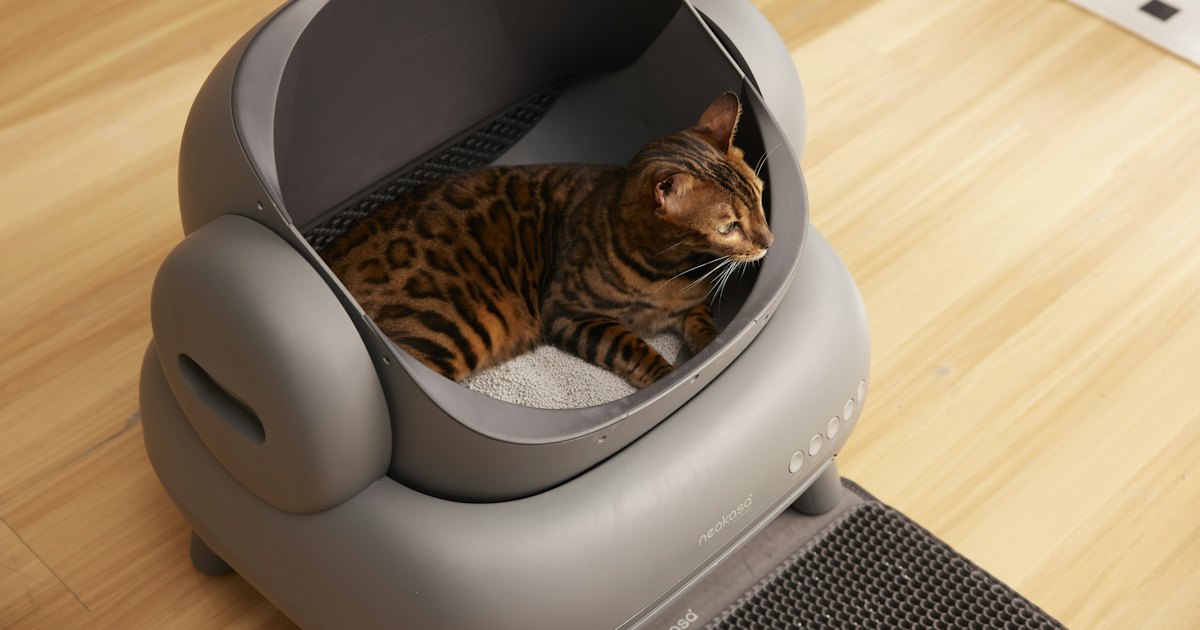
Clumping litter clumps into solid balls you scoop out; non-clumping litter just soaks up urine until you dump the whole box. Clumping needs daily scooping, while non-clumping needs a full change every few days instead. Pick clumping if you scoop daily or have multiple cats. Pick non-clumping for kittens, post-surgery cats, or less daily upkeep.
On this page
Picking between the two usually comes down to how much daily upkeep you want and who uses the box. A single cat in a quiet home does fine with either type. Add a second cat, a kitten, or a cat recovering from surgery, and the right litter changes fast.
Cat Translator
What if you answered
in her own language?
Cat Translator gives you a playful answer in seconds — on the iPhone you already have.

PetTalk — Pet Translator
4.51,246+ ratingsFree


The 30-Second Litter Check
Answer three questions before buying a new bag. How many cats share this box? Is anyone under four months old or recovering from a vet visit? Are you willing to scoop every day, or do you want one clean job every few days? The answers point straight to clumping or non-clumping.
Method 1: Choose Clumping Litter If You Scoop Daily
Clumping litter uses bentonite clay or a plant-based blend. It hardens into a solid ball the moment it touches urine. Scoop that clump out once or twice a day, then top off the box. The rest of the litter stays clean and dry. In most single-cat homes, a full dump and refill is only needed every two to three weeks.
This works best when someone is home to scoop daily. Skip a few days and the box smells worse than a non-clumping box would. That happens because wet clumps sit mixed in with the dry litter instead of getting pulled out.
- Best for: single or multi-cat homes where someone scoops daily
- Full change: roughly every two to three weeks, sooner with more cats
- Clumps trap odor at the source instead of letting it spread through the box
Method 2: Choose Non-Clumping Litter for Kittens, Recovery, or Low-Maintenance Boxes
Non-clumping litter is usually clay, paper pellets, or crystals. It absorbs urine instead of binding it, so there is nothing to scoop out. Instead, you dump the whole box and replace it every two to three days, then wash the tray before refilling.
Many owners stick to non-clumping litter until kittens are several months old. Kittens sometimes eat litter while they are still exploring the box. If a kitten chirps or mews non-stop near a new box, that is usually curiosity, not distress. See what kitten sounds mean for the difference. The same caution applies after surgery. A swallowed clump of clay can be a real problem in a healing gut.
- Best for: kittens, post-surgery cats, and anyone who wants one simple task over daily scooping
- Full change: every two to three days, not every two to three weeks
- No clumping clay dust, which matters for cats with breathing issues
Method 3: Match the Litter to Your Box Setup
A covered box traps odor, so clumping litter paired with daily scooping keeps it livable. An open box in a well-ventilated room is more forgiving either way. Multi-cat households usually lean clumping. Pulling out one cat's clump without disturbing the rest of the box keeps things cleaner between full changes.
If you keep one litter box per cat plus one spare, clumping makes daily rounds faster. You are scooping several boxes instead of fully dumping each one.
Cat Translator
Still reading about the signs?
Open Cat Translator and try a recording next time your cat talks. Free on iPhone, iOS 16 or newer.
PetTalk — Pet Translator
4.51,246+ ratingsFree
Method 4: Switch Between Types Without Spooking Your Cat
Cats are picky about texture under their paws. A sudden full swap can send a cat looking for a new bathroom spot entirely. Mix the new litter into the old, then shift the ratio every two to three days. A full transition over seven to ten days gives most cats time to adjust.
- Days 1-3: about 25% new litter mixed into the old
- Days 4-6: about 50% new litter
- Days 7-10: fully switched, old litter gone
Clumping vs. Non-Clumping Litter at a Glance
| Factor | Clumping Litter | Non-Clumping Litter |
|---|---|---|
| Daily task | Scoop clumps once or twice a day | No daily scooping needed |
| Full change | Every 2-3 weeks | Every 2-3 days |
| Best for | Multi-cat homes, daily scoopers | Kittens, post-surgery cats, low-maintenance boxes |
| Odor control | Traps odor inside removed clumps | Relies on frequent full changes |
| Dust and ingestion risk | Clay dust; skip for very young kittens | Lower-dust options widely available |
| Cost per use | Check current pricing where you shop | Check current pricing where you shop |
When Litter Box Stress Turns Into Noise
Switching litter type or adding a new box sometimes stirs up tension between cats who already share a tray. A sudden hiss near the box, or a cat avoiding it, usually signals competition over that one spot. The litter itself is rarely the real cause. If two cats are squaring off at the box, read why your cat is hissing at your other cat. Splitting up the territory usually helps more than blaming the litter.
Straining, growling, or a sharp cry while using the box is a different signal worth noticing. Our guide on what do cat sounds mean breaks down what a cry mid-visit usually means versus a normal grunt. If you want a quick read on one specific sound, PetTalk - Pet Translator can help. It records the sound, analyzes it on your phone, and returns an interpretation in seconds, free, with nothing uploaded anywhere. Curious what else a cat's sounds reveal beyond the litter box? Our animal translator guide covers how translator apps interpret pet sounds more broadly.
Cat Translator
Still reading about the signs?
Open Cat Translator and try a recording next time your cat talks. Free on iPhone, iOS 16 or newer.
PetTalk — Pet Translator
4.51,246+ ratingsFree
Frequently Asked Questions
How often should you change cat litter?
Change non-clumping litter every two to three days. Replace clumping litter every two to three weeks if you scoop clumps out daily. Multi-cat homes usually need to shorten both windows. Smell, dampness, or litter sticking to the tray means it is time, whatever the calendar says.
How often should you clean the litter box itself?
Wash the tray with mild soap and warm water at every full litter change. That means every two to three days for non-clumping, and every two to three weeks for clumping. A quick wipe-down between full washes keeps odor from building up in the plastic itself.
How do you get rid of cat litter smell?
Scoop clumps daily, keep the box in a ventilated spot, and do the full change on schedule. Don't stretch it out. A thin layer of baking soda under fresh litter can help absorb odor between changes. If smell returns within a day of a full change, the box likely needs more litter depth. A second box nearby can help too.
Can you mix clumping and non-clumping litter?
You can, but it defeats the point of clumping. Loose non-clumping litter breaks up the clumps and makes scooping harder. Mixing only makes sense as a short-term step while transitioning from one type to the other, not as a permanent setup.
Is non-clumping litter safer for kittens?
Yes, for very young kittens. Non-clumping litter will not swell or harden if a kitten swallows a little while exploring the box. Most owners switch to clumping once a kitten is reliably using the box and past the mouthing-everything stage. That's usually by several months old.