What Do Cat Sleeping Positions Mean? A Body Language Guide
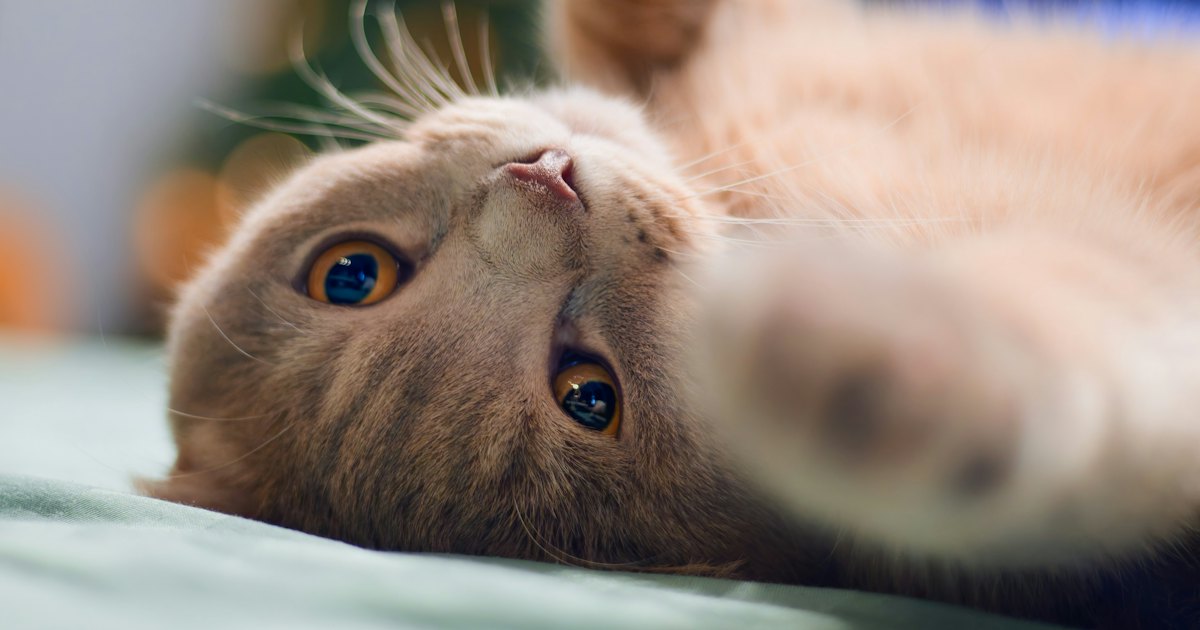
Most cat sleeping positions signal comfort and trust, not a specific thought. A tight curl conserves body heat and keeps paws protected. A loose sprawl or belly-up flop means your cat feels safe enough to expose its stomach. Context — temperature, location, how long the position holds — tells you more than the position alone.
On this page
Owners who track where their cat sleeps usually spot a pattern fast. The same corner. The same curl. The same half-open eye right before the nap ends. None of it needs special training. It just takes a week of paying attention instead of walking past a sleeping cat on the couch.
Cat Translator
What if you answered
in her own language?
Cat Translator gives you a playful answer in seconds — on the iPhone you already have.

PetTalk — Pet Translator
4.51,246+ ratingsFree


The 30-Second Sleep-Position Check
Run this check before diagnosing anything. Note three things.
- Curl tightness: how tightly wound up the body is.
- Belly exposure: tucked away, or fully on display.
- Ear direction: pinned flat, or flicking toward sound.
A tucked nose and wrapped tail usually mean the room feels cold, or your cat wants to feel smaller. An exposed belly with slow, even breathing usually means full trust. Skipped meals or hiding alongside an unusual position matter more than the position itself. Treat that combination as a reason to call your vet.
Cats sometimes make a sound right as they settle into one of these positions. A soft chirp before the belly-up flop. A low purr mid-curl. You can run that recording through PetTalk - Pet Translator. The app analyzes pitch, duration, and intensity on your device. It returns an interpretation in seconds, without uploading the audio anywhere.
Method 1: The Tight Curl (Donut Position)
A cat curled into a tight circle, nose tucked near the tail, is conserving heat. This is the default cold-weather position. It shows up most in cool rooms, or right after a bath. It does not automatically mean stress. Stress looks different. Watch for a curl that stays tight in a warm room, paired with flat ears instead of relaxed ones. When this read doesn't hold: illness changes the picture. A cat recovering from injury or pain often curls tight to protect a sore spot. A sudden switch to this position in an older cat is worth watching for a day or two. It's not a reason to panic right away.
Method 2: The Loaf Position
Paws tucked under the chest, body upright like a loaf of bread, is a light-rest posture. It isn't deep sleep. A cat in loaf position can go from resting to alert in under a second. The legs are already loaded under the body. It usually means your cat is comfortable but still monitoring the room. A sound from another room. A door opening. A second cat walking past — any of it can end the rest fast. When this read doesn't hold: joint pain changes it. Older cats sometimes loaf because tucking the legs hurts less than sprawling flat. A cat that used to sprawl and now only loafs is worth mentioning at the next vet visit.
Cat Translator
Still reading about the signs?
Open Cat Translator and try a recording next time your cat talks. Free on iPhone, iOS 16 or newer.
PetTalk — Pet Translator
4.51,246+ ratingsFree
Method 3: The Side Sprawl
Lying fully on one side, legs extended, is deep sleep. Breathing slows. The tail or whiskers may twitch during the deepest part of rest. This position needs a baseline level of trust in the room. A cat new to a household rarely sprawls on day one. When this read doesn't hold: heat changes it fast. On a hot day, a side sprawl across a cool tile floor is about temperature, not trust. Check the room before reading too much into it.
Method 4: The Belly-Up Flop
Stomach exposed, paws loose, tail flopped to one side. This is the most vulnerable sleeping position a cat can take. It signals the highest level of felt safety in that moment. It is not an invitation to rub the belly. Many cats that sleep belly-up still react fast and defensively if touched there while half-awake. When this read doesn't hold: cool floors pull cats into this position too. Pair the position with the room's temperature before concluding it is pure trust.
Method 5: The High Perch
Sleeping on a windowsill, cat tree, or the back of a couch mixes comfort with awareness. The head stays up enough to track movement. Height gives a wider view of the room and a faster escape route. Cats that feel slightly unsure in a space gravitate here more than to open floor. Think a new apartment, a new pet, or rearranged furniture. When this read doesn't hold: some cats just prefer height year-round. This shows up most in climbing-instinct breeds. A cat that has always slept on top of the fridge isn't necessarily anxious now.
| Position | What It Usually Means | Watch For Instead |
|---|---|---|
| Tight Curl (Donut) | Conserving warmth, feeling a little exposed | Still tight in a warm room, plus flat ears |
| Loaf | Light rest, ready to move fast | A sudden switch from sprawling to only loafing |
| Side Sprawl | Deep sleep, high trust in the room | Hot-day version is about temperature, not trust |
| Belly-Up Flop | Highest felt safety in that moment | Still reacts fast if the belly is touched |
| High Perch | Comfort plus a wider view and an escape route | Some cats just prefer height regardless of mood |
None of these five positions translate your cat's thoughts into words. Body language is a pattern you learn over time, not a direct translation. For the vocal side of that same question, there's PetTalk - Pet Translator. It takes a recorded meow, purr, chirp, or yowl. It matches the pitch, duration, and intensity against a database built from animal behavior research. It's a different signal than a sleeping position, but it's worth pairing with what you already see.
The sounds side has its own guide. Our guide to what your cat's sounds mean breaks down meows, purrs, and yowls one by one. Some owners also try pet communication buttons for two-way communication, instead of only reading signals.
Cat Translator
Still reading about the signs?
Open Cat Translator and try a recording next time your cat talks. Free on iPhone, iOS 16 or newer.
PetTalk — Pet Translator
4.51,246+ ratingsFree
Frequently Asked Questions
How do I read my cat's body language while it sleeps?
Read three signals: curl tightness, whether the belly is exposed, and where the cat chose to sleep. A tight curl plus flat ears in a warm room points to stress rather than cold. An exposed belly in a calm room points to trust. Location matters too. A high perch suggests the cat wants a wider view. A sprawl on the floor suggests it feels fully settled.
What does it mean when a cat sleeps belly-up?
A belly-up sleeping position usually means your cat feels safe enough to expose its most vulnerable area. It is the deepest-trust posture a cat shows. It is not an invitation to touch the stomach, though. Many cats still flinch or grab at a hand that reaches for an exposed belly, even while drowsy. Room temperature can also pull a cat into this position on a hot day, independent of trust.
Why does my cat sleep facing away from me?
Sleeping facing away from you is usually about watching the room, not avoiding you. Cats often orient toward a door, a window, or the busiest part of the house. That way, they can react fast even in light sleep. It's rarely a sign of dislike. A cat that truly distrusts its surroundings tends to hide, rather than sleep out in the open.
Do dogs understand cat body language?
Not reliably, and the two species' signals often conflict. A dog's loose, open posture can look relaxed to us, but it doesn't mean the same thing to a cat. A cat's slow blink can look like nothing to a dog in the room. Supervising early interactions matters more than hoping body language will translate on its own.
Do cats purr while sleeping, and does that mean they're stressed?
Purring during sleep is usually contentment, not stress. Most cats purr during light, relaxed rest the same way they do while being petted. Purring driven by stress tends to show up alongside tense body language instead. Think a tight curl, flattened ears, or a tail wrapped close to the body. A relaxed sprawl with purring is simply the calmer version of the same sound.