What Are the Signs of Dehydration in Cats?
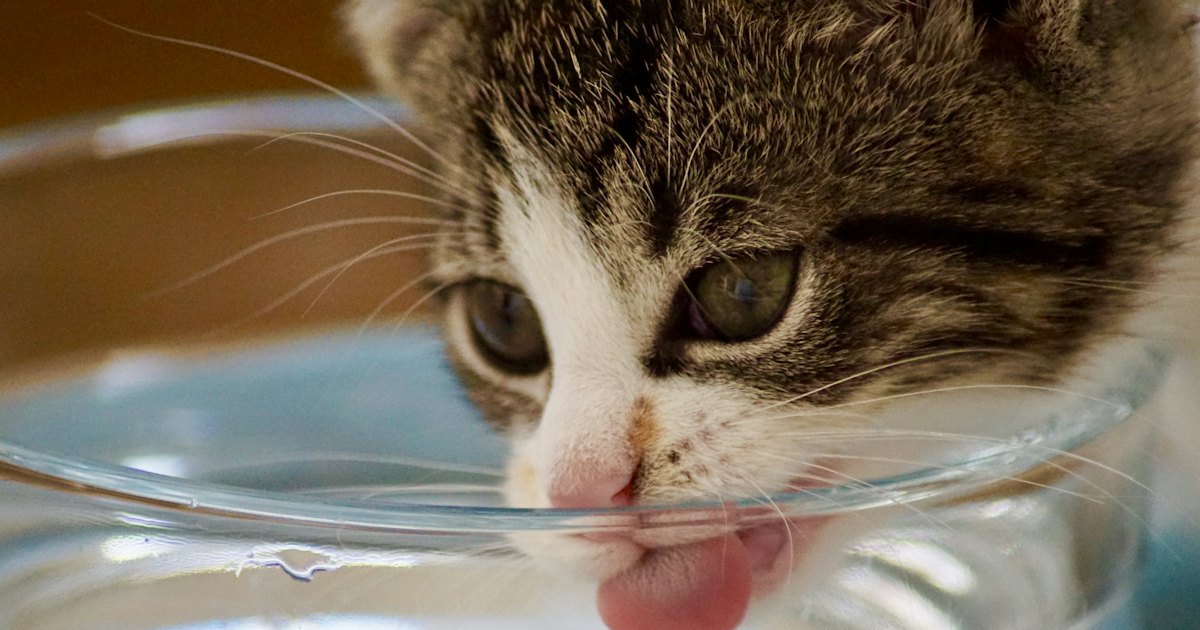
A dehydrated cat shows tented skin that is slow to spring back, dry or sticky gums, sunken eyes, and low energy. Thirst and appetite often drop at the same time. Mild cases improve with more water and rest, but severe dehydration from vomiting, diarrhea, or kidney disease needs a vet visit the same day.
On this page
Cats hide illness well, so dehydration is easy to miss until it's advanced. A cat that normally greets you at the door may just lie flatter on the couch instead. That small shift in energy is often the first clue, well before the skin or gums show anything obvious.
Cat Translator
What if you answered
in her own language?
Cat Translator gives you a playful answer in seconds — on the iPhone you already have.

PetTalk — Pet Translator
4.51,246+ ratingsFree


The 30-Second Hydration Check
Pinch a small fold of skin between your cat's shoulder blades, lift it gently, and let go. In a well-hydrated cat, the skin snaps back flat right away. In a dehydrated cat, it stays tented or falls back slowly. This quick check works best on cats at a normal weight, since very thin or older cats can have loose skin even when hydrated.
Mild vs. Severe Dehydration Signs at a Glance
Dehydration sits on a scale, from mild and easy to fix at home to severe and urgent. The table below lines up the signs side by side so you can judge how worried to be.
| Sign | Mild dehydration | Severe dehydration |
|---|---|---|
| Skin-tent test | Springs back quickly | Stays tented or returns slowly |
| Gums | Pink and moist | Pale, dry, or sticky |
| Eyes | Normal and bright | Sunken or dull |
| Energy | A little quieter than usual | Weak, wobbly, or unresponsive |
| Appetite and thirst | Eating and drinking less | Refusing food and water |
Step 1: Do the Skin-Tent Test
Start with the skin-tent test described above, since it takes seconds and needs no equipment. Pick a spot over the shoulders, not the lower back, because older cats carry extra loose skin there even when hydrated. Repeat it once or twice, and compare what you feel to how your cat's skin behaves when healthy.
Step 2: Check the Gums and Capillary Refill Time
Lift your cat's lip and look at the gums. Healthy gums are pink and feel moist, almost slippery, to a light touch. Dry, tacky, or pale gums point to dehydration or poor circulation. Press a finger on the gum until it turns white, let go, and watch the color return. A quick return to pink is a good sign; a slow return is not.
Cat Translator
Still reading about the signs?
Open Cat Translator and try a recording next time your cat talks. Free on iPhone, iOS 16 or newer.
PetTalk — Pet Translator
4.51,246+ ratingsFree
Step 3: Look at the Eyes and Overall Energy
Sunken eyes are one of the clearer signs of dehydration, especially paired with a dull, half-closed look. Watch how your cat moves around the house too. A dehydrated cat often skips its usual jump onto the counter or windowsill and naps more than normal.
Changes in meowing can be another clue worth tracking. PetTalk - Pet Translator's Sound History feature logs your cat's vocal patterns over time, so a run of unusually demanding or raspy meows is easier to spot against your cat's normal behavior. The app doesn't diagnose dehydration; it just makes a pattern change easier to notice before you check the skin and gums yourself.
Step 4: Rule Out Other Causes With a Vet Visit
A vet visit is the only way to confirm dehydration and find its cause. Vets check skin turgor and gums just like you did at home, then often run bloodwork to look at kidney values and electrolytes. Vomiting, diarrhea, fever, diabetes, and kidney disease can all drain fluids faster than a cat can replace them by drinking.
Senior cats need extra attention here, since kidney disease becomes more common with age and often shows up first as subtle dehydration. If your cat is over ten and seems off, don't wait a full week to see if it passes on its own.
Step 5: Encourage Your Cat to Drink More Water
Most cats drink more from moving water, so a fountain-style bowl placed away from the litter box and food can help. Switching part of the diet to wet food adds moisture that dry kibble doesn't provide. A few water bowls around the house, especially on different floors, remove the excuse of a long walk to the one bowl your cat has.
If your cat was left alone over a weekend with just one bowl, check that bowl first. A knocked-over dish or a bowl licked dry explains a lot of sudden dehydration signs. Our guide on how long you can leave a cat alone covers how much water and food to leave out for longer absences.
When to Call the Vet
Call a vet the same day if your cat shows sunken eyes, pale or sticky gums, or skin that stays tented after the pinch test. Vomiting or diarrhea that lasts more than a day, paired with reduced drinking, pushes a cat toward dehydration fast and deserves a same-day call too.
For cats with no obvious emergency signs, a routine check-up is still worth booking if thirst or appetite has quietly dropped for a few days. Catching a kidney or thyroid issue early is easier than treating a crisis later.
Cat Translator
Still reading about the signs?
Open Cat Translator and try a recording next time your cat talks. Free on iPhone, iOS 16 or newer.
PetTalk — Pet Translator
4.51,246+ ratingsFree
Frequently Asked Questions
How can I tell if my cat is dehydrated at home?
Pinch the skin over the shoulders; if it stays tented instead of snapping back, your cat is likely dehydrated. Pale or sticky gums, sunken eyes, and low energy are the other signs to check at the same time. If two or more show up together, call your vet instead of waiting to see if it passes.
How much water should a cat drink a day?
Water needs vary with diet, activity, and the weather, so there isn't one fixed number that fits every cat. A cat eating mostly wet food drinks less from the bowl because the food itself carries moisture, while a dry-food-only cat relies on the bowl for nearly everything. Watch for a sudden drop from your own cat's normal pattern rather than chasing a specific number.
How do I get my cat to drink more water?
Add a water fountain, offer wet food alongside or instead of kibble, and place bowls in a few different rooms away from the litter box. Clean bowls daily, since cats often avoid water that smells or tastes stale. Small changes like these usually work faster than trying to force a cat to drink.
How often should I take my cat to the vet if I'm worried about dehydration?
See a vet the same day for sunken eyes, tented skin, or ongoing vomiting and diarrhea. For milder, slower changes in thirst or energy, book a routine visit within the week rather than waiting for the next scheduled check-up. Senior cats and cats with kidney disease benefit from more frequent monitoring overall.
Are senior cats more prone to dehydration?
Yes, senior cats face a higher risk, because kidney disease and thyroid problems become more common with age and both increase fluid loss. Older cats also tend to drink less overall and may struggle to reach a bowl placed somewhere awkward. Regular vet visits catch these shifts earlier than a skin-tent test alone.
Can dehydration in cats be treated at home?
Mild dehydration often responds to easier water access, wet food, and a quiet place to rest. Severe dehydration, marked by sunken eyes or weakness, needs a vet, since it usually requires fluids given under the skin or through an IV. Home care works for catching things early, not for reversing an advanced case.