What Does a Cat Hissing GIF Actually Mean?
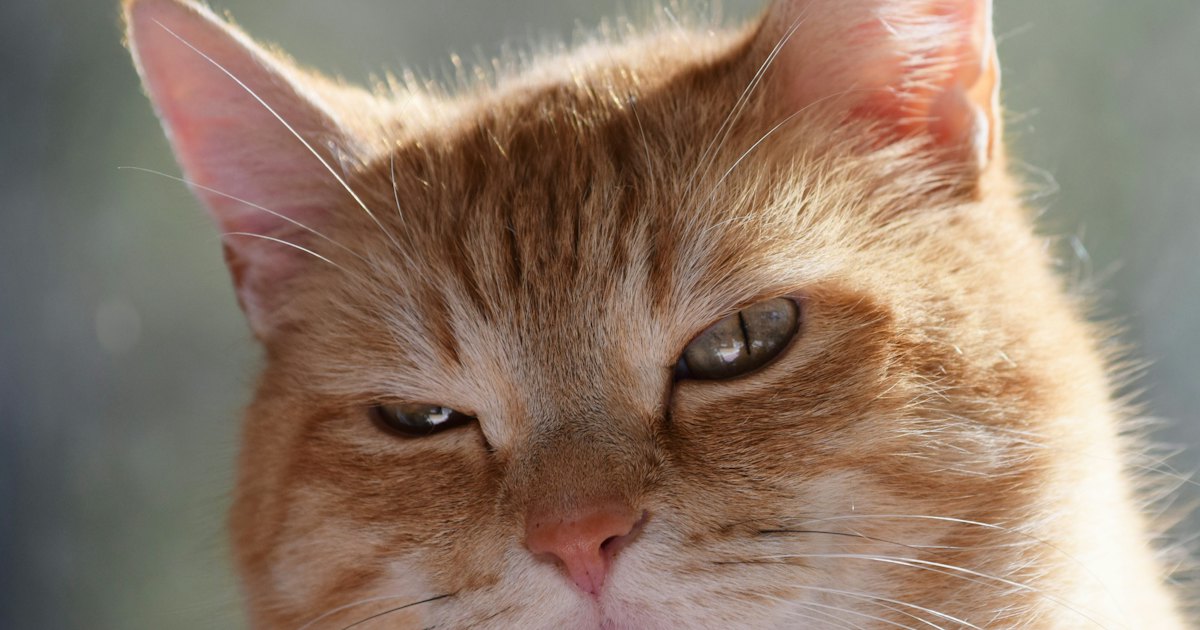
A cat hissing GIF usually shows a real warning, not a joke. Ears pin back, the mouth opens, and one sharp exhale means 'stay back.' Cats hiss when they feel cornered, startled, or threatened — never when relaxed or playful. The clip is funny online, but the same sound from your own cat means it wants space.
On this page
In practice, a hiss that sharp is rarely random. It almost always follows one clear trigger: a vet visit, a bath, a startled jump, or another animal getting too close. Viral clips skip that context, which is exactly why they read as comedy instead of a stressed cat.
Cat Translator
What if you answered
in her own language?
Cat Translator gives you a playful answer in seconds — on the iPhone you already have.

PetTalk — Pet Translator
4.51,246+ ratingsFree


The 30-second test: GIF hiss or real warning?
Before you worry, check 4 things on your own cat. A joke-worthy hiss and a real one can look almost identical on camera, but they feel different in the room.
- Ears flatten sideways or back, not just a twitch.
- The back arches or the whole body goes stiff.
- A clear trigger just happened: a dog, a stranger, a carrier, or another cat.
- Your cat backs away or blocks you, instead of leaning in.
2 or more of those, and it's a real warning, not a camera moment. One short hiss with none of the others usually means mild irritation that passes on its own.
If you would rather know what the hiss means than guess, PetTalk - Pet Translator records the sound and returns an interpretation in seconds, right on your phone, with nothing uploaded anywhere. It's free to download, built for iOS 16 and newer, and rated 4.5 stars from 1,200+ ratings on the App Store. Download PetTalk — Pet Translator on the App Store.
Step 1: Why cats hiss in the first place
Hissing is a distance-increasing signal. A cat uses it to say 'stop' without touching anything, which is safer for everyone than a bite or a swipe.
The usual triggers are fear, pain, a sudden surprise, or another animal entering space the cat treats as its own. A hiss protects territory and signals discomfort — it is not a sign of malice.
Kittens can start hissing within their first few weeks, often the first time something startles them before they've learned to trust it. Adult cats hiss for the same core reasons, just with sharper targets: a new pet, a visiting dog, or a carrier on vet day.
For the wider range of cat sounds beyond the hiss — chirps, trills, growls — see what do cat sounds mean.
Step 2: Spot the difference — GIF hiss vs. a hiss in your living room
A hissing GIF is edited for one punchline, so it strips out everything that would explain the moment. A real hiss from your own cat carries that context, and reading it correctly comes down to 3 details: ears, posture, and what happened right before.
| What to check | Hissing GIF (clipped for the laugh) | A real hiss from your cat |
|---|---|---|
| Ears | Often already flat when the clip starts | Watch for them pinning sideways or back |
| Body | Caught mid-arch for the dramatic frame | Stiff posture or a low crouch signals real stress |
| Trigger | Usually cut out of the clip entirely | A dog, a stranger, a carrier, or another cat |
| Length | Looped for a few seconds on repeat | Normally one short burst, not repeated |
| What it means | A meme reaction | "Stop, right now" — a genuine warning |
Cat Translator
Still reading about the signs?
Open Cat Translator and try a recording next time your cat talks. Free on iPhone, iOS 16 or newer.
PetTalk — Pet Translator
4.51,246+ ratingsFree
Fix 1: How to calm a hissing cat
Back off first. Stop reaching toward its face, and give the cat a clear path to retreat to a quiet spot. Cornering a hissing cat to "make up" almost always backfires.
Skip raised voices or any kind of punishment — both add stress on top of whatever triggered the hiss. Offer a slow blink from a few feet away and let the cat choose when to approach, not the other way around.
In our experience the hiss often eases within a minute or two once the trigger is gone and the cat has somewhere to go. Resume normal contact once the tail drops and the ears come forward again.
Fix 2: Why a cat keeps hissing at one specific cat or person
A hiss that repeats at the same target, instead of fading after one scare, usually points to an unresolved introduction rather than a one-off startle. Two cats sharing a home need their own food, litter, and resting spots while they adjust.
If the hissing is aimed at another cat in your household, why your cat is hissing at your other cat walks through the slower reintroduction steps that usually fix it.
Step 3: Record it and get an actual read instead of a guess
Download and open PetTalk - Pet Translator on your iPhone or iPad, then create a cat profile with a name, a breed such as Siamese, Persian, or Tabby, and an age — the app adjusts its reading for breed and age.
Hold the device near your cat when it vocalizes, tap record, and let the full sound finish before you stop. The app analyzes pitch, frequency, duration, and intensity on the device itself, with nothing uploaded, and returns an interpretation within seconds. Save it to Sound History so you can compare it against the next hiss from the same cat.
The app is free to download. Full access runs $9.99 a year through your Apple ID, and it renews automatically unless you cancel at least 24 hours before the period ends. Manage or cancel any time in your App Store account settings.
This is a fun read of the sound, not a veterinary diagnosis. If your cat's hissing comes with a sudden change in behavior or appetite, a vet visit is the next right step before anything else.
Cat Translator
Still reading about the signs?
Open Cat Translator and try a recording next time your cat talks. Free on iPhone, iOS 16 or newer.
PetTalk — Pet Translator
4.51,246+ ratingsFree
Frequently Asked Questions
Why do cats hiss?
Cats hiss to create distance without physical contact. It's a defensive warning triggered by fear, pain, a sudden surprise, or another animal moving into space the cat sees as its own — not aggression for its own sake.
How do you calm a hissing cat?
Back off, stop reaching toward its face, and let the cat retreat somewhere quiet. Avoid raised voices or punishment, since both add stress. In our experience the hiss often eases within a minute or two once the trigger is removed and the cat has an exit.
Do cats hiss at people they know well?
Yes. A familiar cat can hiss at its own owner during a vet visit, a nail trim, or a sudden jolt of pain — the hiss is about the situation, not the relationship, and it usually stops once the stressful moment passes.
Why is my cat randomly hissing with no obvious trigger?
It is rarely truly random. Common hidden triggers include pain from an injury or a dental issue, an unfamiliar scent on your clothes, or a sound you did not notice. If it keeps happening with no clear pattern, a vet visit can rule out a medical cause.
When do kittens start hissing?
Kittens can hiss within their first few weeks, usually the first time something startles them before they've learned what's safe. It's an instinctive warning, not a sign of a bad temperament, and most settle into far less hissing once their routine feels familiar.