Cat Translator: What It Is and What the App Can't Do
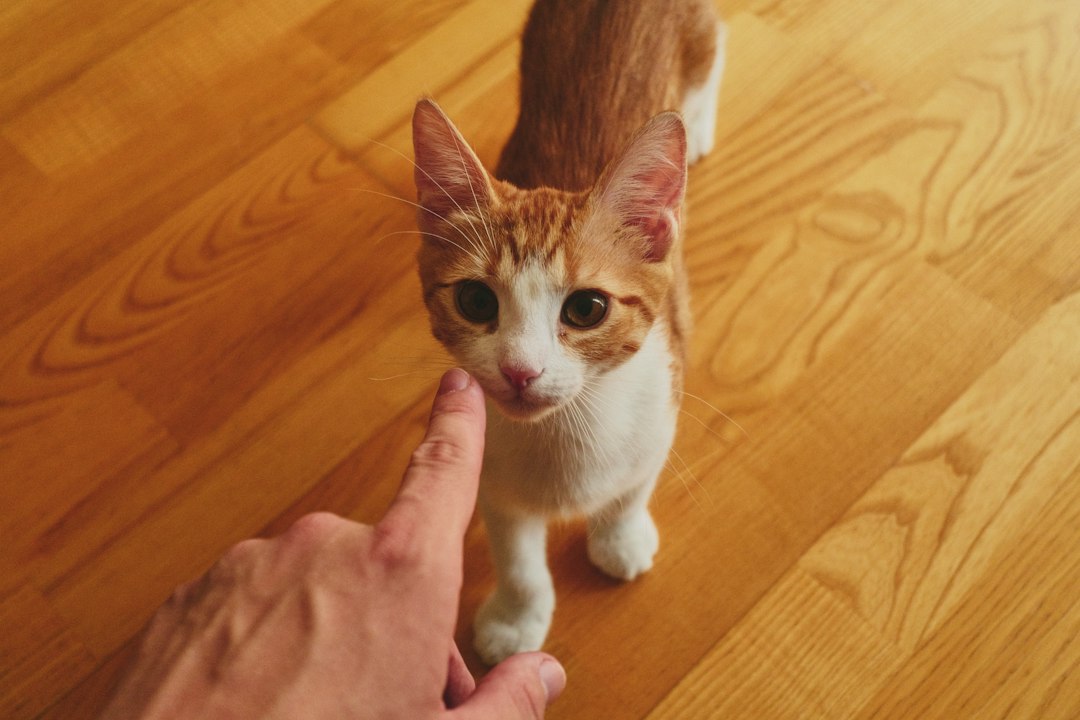
A cat translator helps you understand what your cat is saying by reading its sounds and body language together. No tool truly reads a cat's mind. You can still learn what each meow, purr, and hiss means, and a cat translator app like Cat Translator turns a recording into a playful, human-style line for fun.
On this page
I record my cats on an iPhone 13 most mornings, and I test read-back apps on an iPhone 15 too. One rescue tabby, Miso, greets me with a short chirp at the door. My older cat saves her long yowls for the 20 minutes before dinner. The pattern repeats once you listen for it.
Cat Translator
What if you answered
in her own language?
Cat Translator gives you a playful answer in seconds — on the iPhone you already have.
PetTalk — Pet Translator
4.51,246+ ratingsFree


The 30-second test before you translate
Before you guess a meaning, run a quick check. It takes about 30 seconds and stops most misreads.
- Sound: is it a short meow, a long yowl, a purr, or a hiss?
- Body: is the tail up and loose, or low and tucked?
- Ears: forward and calm, or flattened back?
- Context: what changed just now, like an empty bowl, a litter box overdue for a change, a closed door, or a stranger?
Read the sound and the body together. One signal alone will fool you. A purr from a tense, crouched cat is not always contentment.
Want this check done for you? Our cat sound decoder is a free tool that walks through the same sound-posture-context logic in three taps and hands back one read.
Method 1: Learn the core cat sounds
Cats keep a small, readable vocabulary. A short, high meow is usually a hello. Repeated meows push a demand, like food or an open door. A long, drawn-out yowl signals mating, pain, or distress. A purr often means contentment, though a hurt cat purrs to self-soothe too — our guide to cat purring meaning breaks that down, and our guide to the cat purring sound meaning decodes each purr you hear. For the fuller picture of how meows, purrs, and hisses fit together, see our guide on how to understand cat language.
Chirps and trills mean a friendly "follow me." A mother cat uses that exact sound to call kittens along behind her, which is why an adult cat trills at your ankles when it wants you to come to the food bowl or a doorway — the call outlived the litter it was built for. As the ASPCA notes, a cat that suddenly gets loud may be unwell. For the noisy end of that range, our guide on why your cat meows so much goes deeper, and our breakdown of cat meowing sounds meaning decodes each meow one by one. When it won't work: a brand-new sound that appears overnight is a health flag, not a mood, so see a vet.
Method 2: Read the body language with the sound
The body speaks a beat before the meow does. A tall, upright tail means a confident hello. A puffed tail and arched back mean fear. Ears forward show interest, and ears pinned flat show fear or pain. A slow blink is a cat kiss, so blink back to answer it.
The tail alone has two signals that look alike but mean opposite things, and mixing them up is the most common misread. A tail tip that flicks slowly side to side, while the rest of the cat looks relaxed, usually means mild annoyance — the start of "stop petting me there." A tail that lashes hard and fast, especially low to the ground, means the cat is overstimulated or about to act, not mildly bothered. Watch the speed and how much of the tail moves, not just whether it's moving.
Pair every sound with these signals. Our full guide to cat behavior breaks down the tail, ears, and eyes in order. When it won't work: a cat in pain may hold a still, tense face, so read the whole body, not one part.
Method 3: Match the sound to the moment
Context is half the translation. The same meow means different things at 5 a.m. by an empty bowl and at noon on your lap. Note what changed in the last minute: a closed door, a new pet, a visitor, or a spot you just touched.
A hiss by the carrier is fear of the vet trip, not anger at you. Match the sound to the trigger and the read gets sharper fast. When it won't work: if the trigger is a permanent housemate, one moment won't explain a pattern that runs for days.
Cat Translator
Still reading about the signs?
Open Cat Translator and try a recording next time your cat talks. Free on iPhone, iOS 16 or newer.
PetTalk — Pet Translator
4.51,246+ ratingsFree
Method 4: Try a cat translator app
Once your cat's real needs are met with the methods above, a cat translator app is a fun way to play with the chatter. Cat Translator — our iPhone app, listed on the App Store as PetTalk — Pet Translator — records a sound and plays back a light, human-style line. It is built for entertainment, not diagnosis, so treat the line as a game, not a replacement for reading the sound and body language yourself.
The listing shows the app runs on iPhone with iOS 16 or newer, is free to download, and covers both cats and dogs. You can read the app's story on our about page or start at the Cat Translator home page. When it won't work: it can't diagnose anything, so keep using the sound and body-language reads for anything that matters.
Method 5: Know what a cat translator can't do
No app or chart reads a cat's mind. A cat translator gives you a strong, honest guess from sound and context, never a word-for-word transcript. Cats also talk through scent and touch, which no microphone catches.
For any health or behavior worry, a vet beats any app. The Cornell Feline Health Center is a solid place to start reading. When it won't work: a sudden, lasting change in your cat's voice or habits is a medical question, so book a checkup instead of guessing.
Ways to understand your cat, compared
Pick by the moment. Use sounds and body language for daily reads, the app for fun, and a vet when something feels off.
| Approach | Cost | Best for | Main limit |
|---|---|---|---|
| Learn the sounds | Free | Everyday chatter | Takes practice |
| Read body language | Free | Mood and warnings | Needs the cat in view |
| A cat translator app | Free app | Fun and bonding | Not a diagnosis |
| A vet visit | Paid | Health and pain | Not for daily moods |
Skills and a vet do the real work. The app is the fun layer on top, once the basics are covered.
Cat Translator
Still reading about the signs?
Open Cat Translator and try a recording next time your cat talks. Free on iPhone, iOS 16 or newer.
PetTalk — Pet Translator
4.51,246+ ratingsFree
Frequently Asked Questions
Is there a real cat translator?
There is no tool that literally translates cat language into English. A cat translator is really a mix of skills and apps that help you read your cat. You can learn what each sound and posture means, and a cat translator app like Cat Translator adds a playful, human-style line for fun. Treat the app as entertainment, not a dictionary.
Can an app actually translate my cat?
No app can truly translate your cat, because cats do not use words the way people do. Apps like Cat Translator record a sound and return a light, human-style line meant for fun, not a factual reading. They are great for bonding and a laugh. For what a meow really means, learn the sounds and body language yourself.
What is the best cat translator app?
The best cat translator app is the one that is honest about being entertainment, not a diagnosis. For the full checklist — what to look for on an App Store listing, and our named pick — see our guide to the best cat translator app in 2026.
How do I understand what my cat is saying?
Read your cat's sound and body language together, then check the context. A short meow with a tall tail is a friendly hello. A long yowl with flat ears and a tucked tail signals distress. Note what changed just before the sound. When signals disagree, trust the body and give a scared cat space.
Do cat translators work on dogs too?
Some do. Cat Translator is listed on the App Store as PetTalk — Pet Translator and works for both cats and dogs. It records a sound and returns a playful line for either pet. The read-back is entertainment, not a medical tool. For a dog's real needs, the same rule applies: read the body language and the situation, and see a vet for worries.
Are cat translator apps free?
Many are free to download, including Cat Translator, whose App Store listing shows it as a free download for iPhone on iOS 16 or newer. Some apps add paid extras, so check the listing before you tap. Remember the value is fun, not accuracy. No free or paid app can truly translate what your cat is thinking.
How is a cat translator different from an animal translator?
A cat translator is one slice of the wider animal translator category, which also covers dogs and other pets. The broader guide walks through the different methods these apps use and where each one actually helps.
What is my cat saying when it meows at the food bowl?
That meow usually translates to a simple request: it's mealtime, or close to it. Cats learn fast that a specific meow near the bowl gets a response. If the meowing starts well before the next scheduled meal, the gap between feedings may be too long for that cat. Our guide on how many times a day a cat should eat breaks down portions and timing by age and weight.
Should I pick a name before or after I learn my cat's personality?
After, if you can wait a few days — the sound and body-language reads above usually surface a personality quirk worth naming around, instead of guessing on day one. If the cat is black, our black cat names guide sorts 160+ ideas by exactly that kind of trait. If the quirk is more slapstick than spooky — chirping at the fridge, chasing nothing — our funny cat names list sorts 100 picks by that kind of comic trait instead. If the quirk reads more regal than goofy — a cat that stares like it's judging you — our Egyptian cat names guide sorts 105 ideas pulled from gods, pharaohs, and ancient words by that kind of temperament. If the personality leans more dramatic than regal — poses for the camera, overreacts to everything — our anime cat names guide pulls 100+ picks from shows and characters that match that energy. Still stuck? Our famous cat names list rounds up picks from real cats, movies, and pop culture if a known name fits better than an invented one.