How to Tell if Kitten Purr Sounds Congested
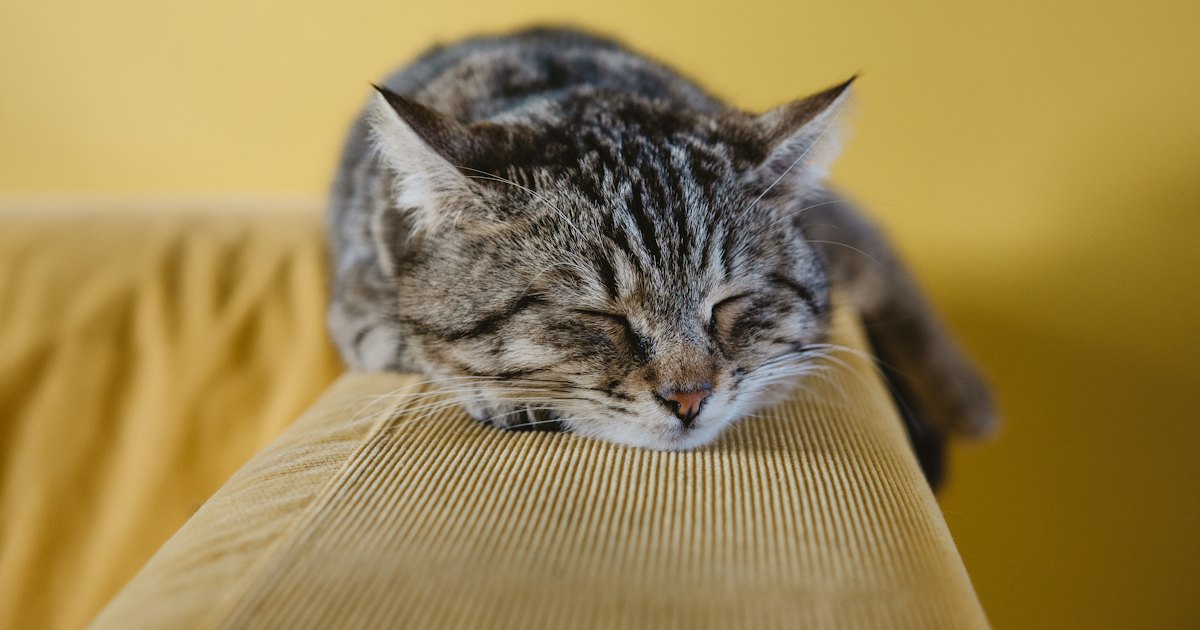
A congested kitten purr often sounds wet, rattly, or nasal compared with a smooth, even rumble. Congestion can come from upper respiratory infection, leftover mucus after a cold, or nasal blockage. Check breathing rate and energy. Call a vet for open-mouth breathing, blue gums, or a kitten who stops eating.
On this page
Last week I recorded our foster’s bedtime purr on an iPhone 14, then again on an iPhone 15 Pro held about 6 inches from her chest. The healthy clip stayed a steady motor. The congested clip from her shelter roommate had a wet click on each inhale — easy to miss until you play both back-to-back.
Cat Translator
What if you answered
in her own language?
Cat Translator gives you a playful answer in seconds — on the iPhone you already have.

PetTalk — Pet Translator
4.51,246+ ratingsFree


The 30-second test
Before you dig into causes, run this fast check once while your kitten is calm and awake.
- Watch the chest for 30 seconds. Count breaths. Cornell notes resting breathing should not exceed 35 breaths per minute.
- Listen with your ear near the nose, then near the chest. Congestion often sits higher, in the nose or throat.
- Look at the nostrils and eyes. Clear or colored discharge plus sneezing points away from a plain happy purr.
- Offer a favorite treat. A kitten who refuses food while sounding wet needs a vet sooner, not later.
If breathing looks hard, the gums look blue, or the kitten pants with an open mouth, skip the home steps and go now. Soft, even purring with bright eyes can wait for a calmer listen.
Step 1: Separate the purr from breathing noise
Start by naming what you actually hear. A normal kitten purr is rhythmic and even. Congestion adds wet crackle, snort, or a muffled, nasal edge that rides on top of the rumble.
Hold your phone still for a full 10-second clip. Label two takes: “purr only” and “nose close.” Play them on speaker. A wet sound that stays when the purr stops is breathing noise, not mood. When this fails: a tiny kitten who only purrs while nursing can be hard to isolate — wait until a quiet rest stretch.
Step 2: Scan for upper respiratory clues
Kittens pick up respiratory infections easily in shelters and multi-cat homes. Per Cornell’s respiratory infection guide, upper-tract signs include eye or nose discharge, sneezing, coughing, lethargy, and poor appetite. Trouble breathing is less common but serious.
International Cat Care also lists noisy mouth breathing (stertor), gagging, facial swelling, and eye or ear discharge among chronic upper-airway signs — see their chronic upper respiratory disease page. Pair the sound with those clues. A wet purr alone is a hint. A wet purr plus discharge is a stronger case for a clinic visit.
When this fails: some kittens keep a slightly raspy purr for weeks after a mild cold while they eat and play fine. That still deserves a vet call if it lasts, but it is not the same emergency as open-mouth breathing.
Step 3: Support the nose without risky home remedies
If your vet already said the case is mild, supportive care helps while you wait for the appointment or recovery. Wipe crust from the nose with warm saline on a soft cloth. Offer warmed, strong-smelling wet food so a blocked nose does not kill appetite.
A steamy bathroom for 5 to 10 minutes can loosen thick mucus for some kittens. Sit with them so they stay calm. International Cat Care warns that human nasal decongestant drops should be avoided — they can harm cats. When this fails: steam will not fix a polyp, foreign body, or severe infection. Persistent noise needs exam tools you do not have at home.
Cat Translator
Still reading about the signs?
Open Cat Translator and try a recording next time your cat talks. Free on iPhone, iOS 16 or newer.
PetTalk — Pet Translator
4.51,246+ ratingsFree
Step 4: Know the red flags that skip home watching
Book urgent care if you see open-mouth breathing, blue or gray gums, collapse, or a resting rate above 35 breaths per minute. Cornell flags rapid or difficult breathing as a lower-respiratory warning, especially in young cats.
Also call the same day for a kitten who stops eating, hides, or develops thick yellow-green eye or nose discharge. Young animals dehydrate fast. Bring a 15-second phone video of the congested purr — many clinics find that clip useful.
When this fails: if the “congestion” only appears when the kitten is deeply asleep and vanishes when awake with a clear nose, ask your vet before assuming illness. Sleep sounds can fool you.
Congested vs normal kitten purr
Use this side-by-side if you are stuck between “cute motor” and “something is stuck.” For wider body clues that travel with illness, see sick cat body language. Noisy breathing without a purr is covered in kitten breathing sounds congested.
| What you hear | Likely meaning | Next move |
|---|---|---|
| Smooth, even rumble; clear nose | Typical contentment or settling purr | Enjoy it; keep watching energy and appetite |
| Wet, rattly, or nasal purr with discharge or sneezing | Congestion or upper respiratory irritation | Vet check; supportive wipe and humid air if advised |
| Purr plus open-mouth effort or rate over 35/min at rest | Possible serious airway or lung problem | Urgent veterinary care now |
| Hoarse or quiet meow with chronic snuffle | Longer upper-airway issue (needs diagnosis) | Scheduled exam; avoid human decongestants |
A lighter way to log the sound: Cat Translator
After the health check, you may still want a plain-language guess at the mood behind a meow or purr. Cat Translator — listed on the App Store as PetTalk - Pet Translator — turns a recording into a short, playful line. Analysis runs on your iPhone or iPad (iOS 16 or newer). No audio is uploaded externally, per the listing.
Create a pet profile with name, breed, and age. Hold the phone near your kitten, tap record, and let the full sound finish. Review the line, then save it to Sound History if you want a timestamped trail for your vet or trainer. The app is free to download, with an optional Annual Plan at $9.99 per year. It is entertainment, not a diagnostic tool — and the US listing shows about a 4.5 rating from 1,200+ reviews.
Use it to compare “calm bedtime purr” versus “frustrated long meow,” not to decide if lungs are clear. For emotion context beyond sound, read does a cat have emotions.
Cat Translator
Still reading about the signs?
Open Cat Translator and try a recording next time your cat talks. Free on iPhone, iOS 16 or newer.
PetTalk — Pet Translator
4.51,246+ ratingsFree
Frequently Asked Questions
Why does my kitten’s purr sound congested?
A congested kitten purr usually means air is moving past mucus or swollen nasal tissue while the vocal folds vibrate. Upper respiratory infections are common in young cats. Cornell lists discharge, sneezing, and lethargy among typical signs. A vet confirms whether it is mild congestion or something deeper.
Can a normal kitten purr sound rattly?
Yes — some healthy kittens have a rough motor, especially right after a nap or a big meal. Compare the sound with a clear nose, bright eyes, and easy breathing under 35 breaths per minute at rest. A new wet edge plus discharge is less likely to be “just how they purr.”
Is a congested purr an emergency?
Not always, but hard breathing is. Open-mouth breathing, blue gums, collapse, or a kitten who will not eat needs same-day care. A wet purr with mild sneezing still deserves a prompt call. Do not wait days if energy drops.
How do I tell congestion from a happy purr?
Happy purrs stay even and paired with soft eyes and relaxed posture. Congested purrs sound wet or muffled and often arrive with sniffles or crusty nostrils. Record both states on your phone 10 seconds each. Playback makes the difference obvious.
Should I use human decongestant drops on my kitten?
No. International Cat Care says human nasal decongestant drops should be avoided because they can be toxic or worsen disease in cats. Stick to vet-guided saline wiping, humidity if advised, and prescribed medicine only.
Can Cat Translator diagnose a congested purr?
No. Cat Translator (PetTalk - Pet Translator) offers playful on-device interpretations for entertainment. It does not diagnose infection or airway disease. Use vet care for health questions, and the app only for curiosity after the medical side is handled.
Related guides
Keep going with these live guides on sounds, illness cues, and emotion reads: