Why Does My Kitten Sound Congested After Eating?
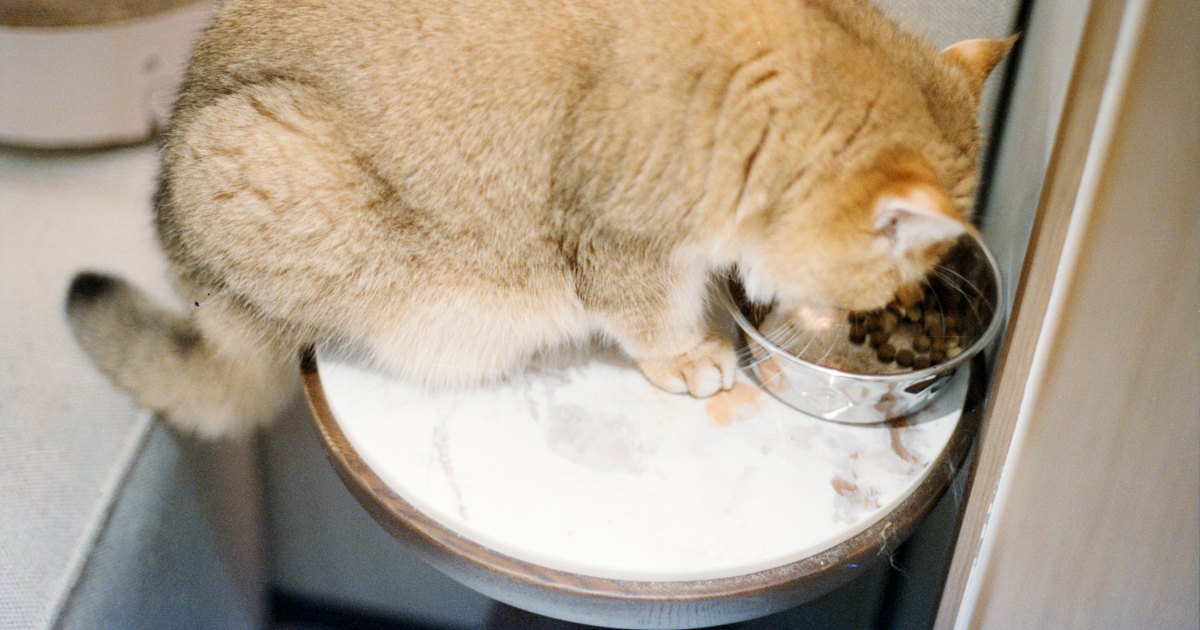
Your kitten sounds congested after eating most often because it ate too fast and pushed food or milk toward the back of its nose and throat. This usually clears in a few minutes. Congestion that lingers, bubbles from the nose, or comes with sneezing points to aspiration, a cleft palate, or an infection that needs a vet.
On this page
Picture a hungry 8-week-old kitten clearing a bowl of wet food in under a minute. The wet, snuffly sound that follows can rattle a new owner. Often it is just food and saliva at the back of a small nose, but sometimes it flags something that needs a vet.
Cat Translator
What if you answered
in her own language?
Cat Translator gives you a playful answer in seconds — on the iPhone you already have.
PetTalk — Pet Translator
4.51,246+ ratingsFree


The 30-second test
Before you worry, run a quick check. Time the sound: harmless after-meal congestion clears within about 2 minutes of the last bite. Then watch one full meal and answer three questions.
- Does the sound stop once the bowl is empty and the kitten grooms?
- Is the nose dry, with no milk, mucus, or bubbles?
- Is your kitten eating, playing, and gaining weight?
Three yes answers point to fast eating, so start with Fix 1. Any no, especially milk from the nose or a kitten off its food, moves you toward a vet visit and the fixes below.
Why does my kitten sound congested after eating?
A kitten's nose and throat are tiny. When it eats fast, food, water, or milk brushes the back of the nasal passage and creates a wet, rattly sound. Most of the time this is mechanical, not an illness, and it fades within a minute or two.
- Eating too fast. A hungry kitten inhales its food and pushes bits toward the back of the nose.
- Milk aspiration. In bottle-fed kittens, milk can slip into the airway or nose during feeding.
- A cleft palate. A gap in the roof of the mouth lets food and milk pass into the nasal passage.
- An upper respiratory infection. Congestion, sneezing, and discharge are common in young or rescued kittens.
- A flat-faced breed. Persians, Himalayans, and Exotic Shorthairs often sound snuffly by build.
Reading the rest of your kitten's signals helps you judge how worried to be. Our guide on how to understand cat language breaks down ears, tail, and posture. For the health side, a veterinary resource like the Cornell Feline Health Center is a solid starting point, though an in-person exam is what confirms a cause.
Not sure how often the sound happens? Cat Translator lets you record the moment and save it with a timestamp, so you can show your vet a real clip instead of describing it from memory. It reads meows and purrs for fun, not breathing, so treat it as a logbook here — not a diagnosis.
| Cause | When it shows up | Other signs | What to do |
|---|---|---|---|
| Eating too fast | Right after gulping food | Clears in minutes, kitten acts normal | Slow the meals down |
| Milk aspiration | During or after bottle-feeding | Milk from the nose, coughing, weak suckling | Stop and see a vet fast |
| Cleft palate | From the first days of life | Food from the nose, poor weight gain | Vet exam, often surgery |
| Upper respiratory infection | Any time, worse when eating | Sneezing, runny eyes, low appetite | Vet for the right meds |
| Flat-faced breed | Ongoing, through all activity | Snuffly but eats and plays well | Monitor, mention it to your vet |
Fix 1: Slow down fast eating
Start here, because fast eating causes most after-meal congestion. Spread the food thin on a flat plate, or use a slow-feeder bowl with ridges. Split the daily portion into three or four small meals instead of one or two big ones.
If your kitten still gulps, lift the plate briefly every 10 to 15 seconds so it has to pace itself. When it does not work: if the snuffling continues after the food is gone and the bowl change makes no difference, move down this list.
Fix 2: Check bottle-fed kittens for aspiration
Milk aspiration is an emergency, so handle it before anything else if you bottle-feed. Feed the kitten belly-down, never on its back, with its head level. Use a nipple hole that drips slowly when you tip the bottle — one drop at a time, not a stream.
Watch for milk bubbling from the nose, coughing, or a kitten that goes quiet and limp. When it does not work: any milk from the nose or labored breathing means stop feeding and call an emergency vet, because aspiration pneumonia moves fast in kittens under 4 weeks.
Cat Translator
Still reading about the signs?
Open Cat Translator and try a recording next time your cat talks. Free on iPhone, iOS 16 or newer.
PetTalk — Pet Translator
4.51,246+ ratingsFree
Fix 3: Rule out an upper respiratory infection
Kitten colds are common, especially in shelter or rescue litters. Look for sneezing, watery eyes, a crusty nose, and a drop in appetite alongside the congestion. Keep the kitten warm, and run a warm shower nearby for 10 minutes so the steam loosens its nose.
Wipe discharge with a damp cotton pad, and keep food smelly and warm so a stuffy kitten still wants to eat. When it does not work: a fever, green discharge, or refusing food for 24 hours needs a vet and likely antibiotics.
Fix 4: Watch for a cleft palate or structural problem
A cleft palate shows up from the first days of life, not suddenly at 12 weeks. Milk or food comes back out of the nose during almost every meal, and the kitten struggles to gain weight. Shine a small light into the mouth and look for a gap along the roof.
This is not something you fix at home. When it does not work: a visible gap, constant nasal food, or a kitten that stays underweight needs a vet, and many cleft palates are corrected with surgery once the kitten is bigger.
Fix 5: Know when a flat-faced breed just sounds snuffly
Some kittens sound congested because of their face shape, not a problem. Persians, Himalayans, and Exotic Shorthairs have short noses that whistle and snuffle during meals and play. If your kitten eats well, plays hard, and grows on schedule, the sound is likely just its build.
Flat-faced breeds are still more prone to real breathing trouble, so keep a baseline. When it does not work: if the snuffling gets louder over weeks, or you see open-mouth breathing, have a vet check the airways.
How Cat Translator helps you keep a record
Cat Translator will not tell you why your kitten is congested — it reads meows, purrs, and chirps, not breathing. What it does well here is documentation. A dated recording beats trying to describe a wet, rattly sound to your vet from memory.
- Open the app. Cat Translator is listed on the App Store as PetTalk — Pet Translator and runs on any iPhone with iOS 16 or newer.
- Add a profile. Enter your kitten's breed and age so your notes stay organized.
- Record the moment. Hold the phone close when the congested sound starts and tap record.
- Save to Sound History. Keep each clip so you can see how often the sound repeats.
- Export for the vet. Share the recording before the visit so your vet hears the real thing.
The app is free to download, with a $9.99-per-year plan for full access, and holds a 4.5 rating across 1,200+ ratings. It runs on the device and does not upload your audio. Treat the results as a playful logbook, not medical advice. If your kitten is a rescue that also hisses at the household, our guide on cat hissing and growling at a new kitten covers the settling-in side.
Cat Translator
Still reading about the signs?
Open Cat Translator and try a recording next time your cat talks. Free on iPhone, iOS 16 or newer.
PetTalk — Pet Translator
4.51,246+ ratingsFree
Frequently Asked Questions
Why does my kitten sound congested?
Your kitten usually sounds congested because food, milk, or mucus is sitting at the back of a very small nose. After eating, fast gulping is the most common trigger, and it clears within a minute or two. If the congestion sticks around with sneezing or discharge, an infection or a structural issue is more likely and a vet should check.
Is it normal for a kitten to sound congested after eating?
A brief snuffle right after a fast meal is usually normal. Small kittens push food toward the back of the nose and make a wet sound that fades in a minute. It stops being normal when the congestion lingers, bubbles from the nose, or comes with sneezing, watery eyes, or a lost appetite.
How do I know if my kitten aspirated milk?
Watch for milk coming out of the nose, coughing, or fast, labored breathing during or after bottle-feeding. An aspirating kitten may also go limp or refuse the bottle. This is an emergency in kittens under 4 weeks, so stop feeding and call a vet right away rather than waiting to see if it clears.
Can eating too fast make a kitten stuffy?
Yes, eating too fast is the top cause of a stuffy sound after meals. A hungry kitten inhales its food and pushes bits toward the nasal passage, which rattles for a minute. Slow the meals with a flat plate or slow feeder, and split food into three or four small servings a day.
When should I take a congested kitten to the vet?
Take your kitten to the vet if the congestion lasts more than a day, comes with sneezing, green discharge, or eye gunk, or blocks its appetite. Any milk from the nose, open-mouth breathing, or weight loss means go sooner. When in doubt with a very young kitten, call — small kittens get worse quickly.