How to Tell if Kitten Meow Sounds Are Raspy
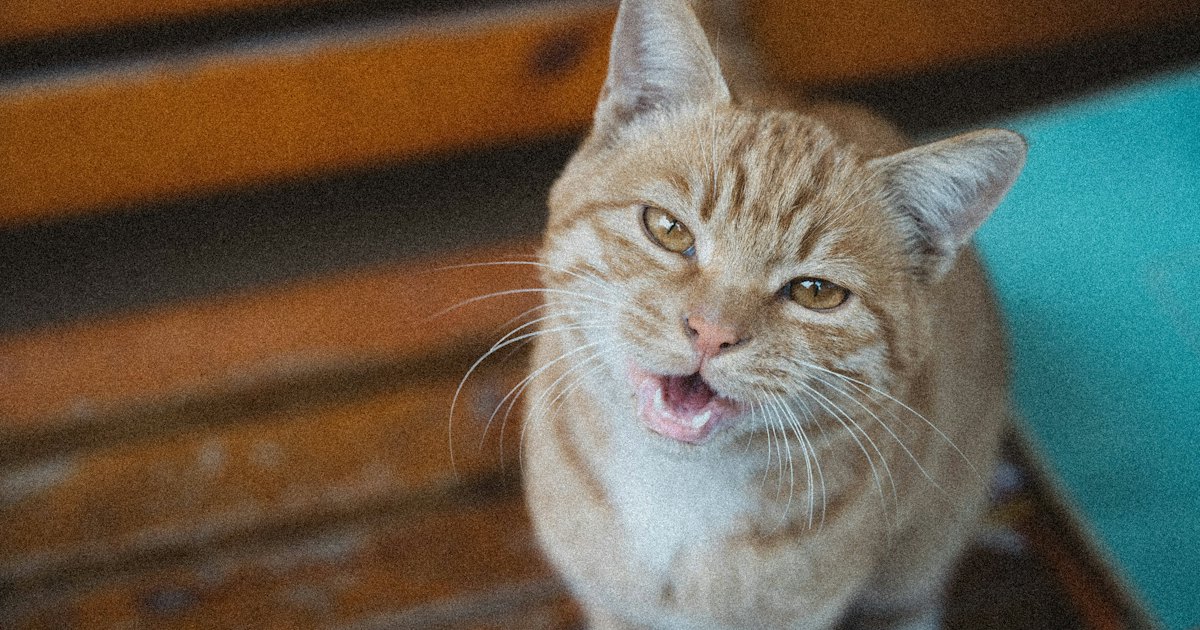
A raspy kitten meow sounds rough, scratchy, or hoarse next to that kitten’s usual clear cry. It often means irritation around the throat or larynx, sometimes with an upper respiratory infection. Check sneezing, nose or eye discharge, mouth sores, and energy. Call a vet for hard breathing, skipped meals, or a sudden voice change. A translator app cannot diagnose this.
On this page
Last week my foster 10-week tortie woke me with a sandpaper meow. I held an iPhone 14 about 6 inches from her mouth, then tried again on an iPhone SE (3rd generation). Both clips sounded rough. Neither clip explained why. Two quiet minutes watching her nose and gums told me more than the playback.
Cat Translator
What if you answered
in her own language?
Cat Translator gives you a playful answer in seconds — on the iPhone you already have.

PetTalk — Pet Translator
4.51,246+ ratingsFree


The 30-second test
Sort the sound before you chase fixes.
- Clear, bright meow with play and clean eyes: often just a funny voice, not a rasp from illness.
- Rough, gravelly, or hoarse cry that stays after one yawn: treat as a voice change worth checking.
- Raspy meow plus sneezing or discharge: plan a vet call, not a wait-and-see night.
- Open-mouth breathing, blue-tinged gums, or collapse: emergency vet now.
Say it out loud: “rough voice” or “stuffy nose.” That 5-second label keeps you on the right path.
Curious what a meow “says” for fun after the health check? PetTalk — Pet Translator (the App Store listing for Cat Translator) is free on iPhone with iOS 16 or newer. It returns playful lines from on-device sound analysis. It is entertainment, not a clinic tool. Rating on the US App Store at last check: 4.5 with 1,000+ ratings.
Step 1: Separate a raspy meow from congested breathing
Raspy sits in the voice. Congestion sits in the nose and breath.
Stand still for 20 seconds. Listen on the inhale, then on the cry. A congested kitten often snuffles between meows. A raspy kitten may have quieter gaps, but the cry itself sounds scraped or thin.
- Raspy cue: rough pitch on the meow, even when the nose looks dry.
- Congested cue: wet or pinched noise on the breath between cries.
- Mixed cue: both — note both, then check the body next.
For noisy breathing detail, read how to tell if kitten breathing sounds congested. For a wet or rattly purr angle, see how to tell if kitten purr sounds congested.
When this step fails: the TV is loud, or you only heard one cry through a door. Move closer. Wait for the next full meow. One muffled clip is a weak sample.
Step 2: Run a 2-minute home check
Your eyes beat any microphone. Do this check before you record anything for fun.
Cornell’s respiratory guide notes that the upper airway includes the larynx (vocal folds), and lists sneezing, nose or eye discharge, mouth ulcers, lethargy, and poor appetite among upper respiratory signs. VCA’s feline URI overview adds that herpesvirus and calicivirus cases may bring mouth ulcers, and that severe cases can make breathing hard.
- Nose and eyes: crust, colored discharge, or wet tracks on the fur.
- Mouth: drooling, pawing at the face, or refusing crunchy food (possible sore mouth).
- Energy: skips play, hides, or skips a meal.
- Breath count: at rest, Cornell says breathing should not exceed 35 breaths per minute — count flank rises for 30 seconds and double it.
Cross-check posture with sick cat body language. A hunched kitten with a raspy cry is a different story than a bouncing kitten with a funny voice.
When this step fails: handling makes the kitten panic and breathe faster. Stop poking. Dim lights. Call the clinic with what you already saw.
Cat Translator
Still reading about the signs?
Open Cat Translator and try a recording next time your cat talks. Free on iPhone, iOS 16 or newer.
PetTalk — Pet Translator
4.51,246+ ratingsFree
Step 3: Decide if the vet comes first
A short funny rasp after a huge yawn can pass. A lasting rough voice in a young kitten should not sit on a hope-and-wait list.
Per the ASPCA overview of common cat diseases, feline calicivirus and feline herpesvirus account for 80 to 90% of contagious upper respiratory problems, and show up often in shelters, catteries, and multi-cat homes. Cornell also notes that some nasal fungal disease can change the tone of a cat’s vocalizations — uncommon as a first guess, but a reason not to shrug off a lasting voice change.
- Same-day vet: colored discharge, feverish feel, skipped meals, mouth sores, or rising breath rate.
- Urgent care: open-mouth breathing, pale or blue gums, extreme lethargy.
- Still book soon: a raspy meow that lasts more than a day or two in a young kitten, even if energy looks okay.
Write three facts for the receptionist: age in weeks, when the rasp started, and what you saw on the nose, eyes, and mouth. That list beats a fuzzy “she sounds weird” call.
When this step fails: you hope an app clip will “prove” illness. Clinics need the live animal. Keep recordings as extras, never as the plan.
Step 4: Use PetTalk only after the health question
Once breathing looks stable and a vet plan is clear, curiosity is fine.
Download PetTalk — Pet Translator. Create a pet profile with name, breed, and age. Hold the iPhone near your kitten when they vocalize. Tap record and let the full sound finish. Read the playful line, then save it to history if you want.
- Analysis runs on the device within seconds — the listing says no audio is uploaded externally.
- Core features work offline — handy in a clinic waiting room with weak signal.
- Annual plan is $9.99 per year if you want full access beyond the free download.
The site brand is Cat Translator; the App Store name is PetTalk — Pet Translator because the same app also reads dog sounds. Features pages say it is a toy for cat people, not a diagnostic tool. The listing disclaimer matches that: interpretations are likely patterns, not a medical instrument.
When this step fails: you open the app first while the kitten gasps or refuses food. Close it. Call the vet. Fun translations wait.
Raspy meow checklist at a glance
Use this table when you are tired and need a fast sort.
| What you hear / see | Likely meaning | Next move |
|---|---|---|
| One rough meow after a big yawn, then clear cries | Often temporary voice quirks | Watch 24 hours; recheck energy and appetite |
| Lasting hoarse or scratchy meow | Possible throat/larynx irritation or URI | Home check; call the vet if it persists |
| Raspy meow + sneeze + eye/nose discharge | Possible upper respiratory infection | Call the vet; isolate from other cats |
| Open-mouth breathing or blue gums | Emergency | Go to urgent care now |
| Playful app line from a meow clip | Entertainment only | Never use as a diagnosis |
Want calmer context on mood signals after the crisis passes? See does a cat have emotions and how to read cat face emotions.
Cat Translator
Still reading about the signs?
Open Cat Translator and try a recording next time your cat talks. Free on iPhone, iOS 16 or newer.
PetTalk — Pet Translator
4.51,246+ ratingsFree
Frequently Asked Questions
Why does my kitten meow sound raspy?
A raspy meow usually means the cry itself sounds rough or hoarse, not just loud. Irritation near the throat or larynx is a common path, and upper respiratory illness can sit in that same airway. Dust or a short cry after sleep can mimic it for a minute. Lasting rasp with discharge needs a vet view.
Is a raspy kitten meow an emergency?
Not every rough cry is an emergency, but hard breathing is. Open-mouth breathing, blue gums, collapse, or a kitten who will not eat needs urgent care. Mild rasp still deserves a same-day call if the kitten is very young or the voice change came on fast.
How do I tell raspy meow from congested kitten sounds?
Listen on the inhale and on the cry as separate moments. Congestion often adds wet or pinched breath noise between meows. A raspy meow scrapes on the voice even when gaps sound quieter. Pair both with nose, eye, and mouth checks before you decide.
Can PetTalk diagnose raspy kitten meow sounds?
No. PetTalk — Pet Translator offers playful interpretations from acoustic analysis. The listing and our features page both say it is not veterinary advice. Use it after the health question, not instead of a clinic.
What does a raspy kitten meow sound like versus a normal meow?
A normal meow is clearer and keeps a steadier pitch for that kitten. A raspy meow sounds scraped, thin, or gravelly, as if the cry is catching. Compare against yesterday’s voice, not against another cat. One odd cry alone is weak evidence.
When should I take a raspy-sounding kitten to the vet?
Go sooner for colored discharge, lethargy, skipped meals, mouth sores, rising breath rate, or any breathing struggle. Young kittens dehydrate fast. Bring notes on timing and symptoms. Leave translator apps for later curiosity.
Related guides: kitten breathing sounds congested, kitten purr sounds congested, sick cat body language, does a cat have emotions, cat face emotions.