How to Tell if Kitten Sounds Wheezy
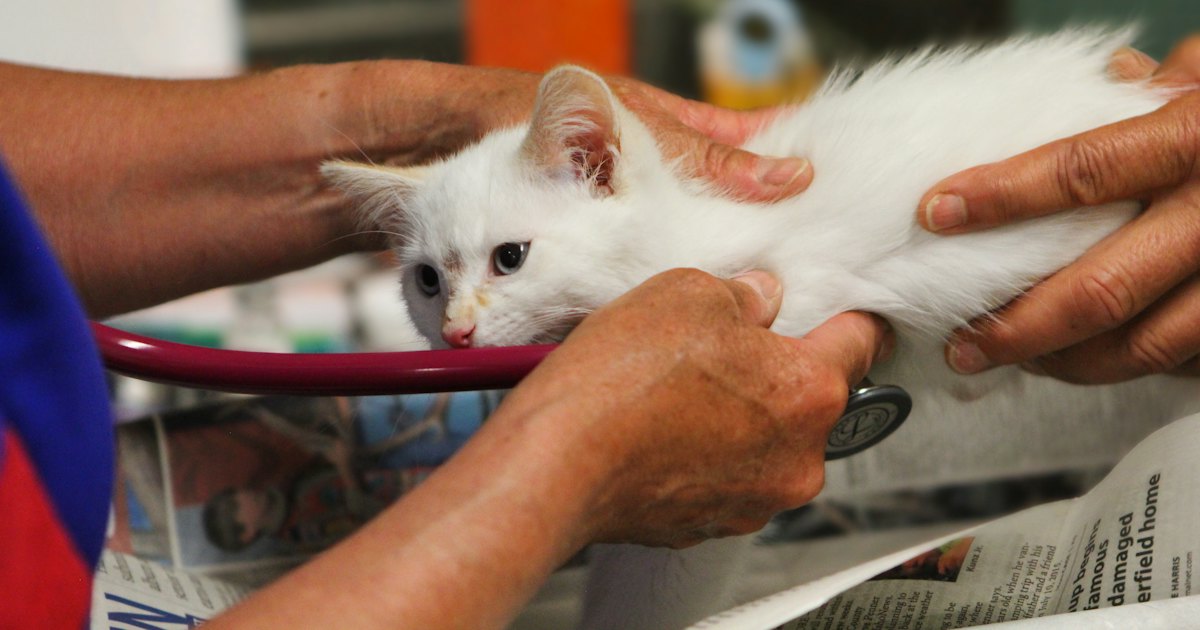
Kitten sounds wheezy when a thin, high whistle rides each breath—not a short meow or a soft purr. Watch the chest at rest for 30 seconds. Call a vet the same day for open-mouth breathing, blue gums, or a resting rate over 35 breaths a minute.
On this page
I fostered a 9-week tabby who whistled after naps on the couch. My iPhone 13 Mini, held about 6 inches from her nose, caught a sharp inhale squeak. Replay on an iPhone 15 Pro speaker made the same clip sound thinner, almost musical. That gap taught me: judge the live breath, not a phone speaker alone.
Cat Translator
What if you answered
in her own language?
Cat Translator gives you a playful answer in seconds — on the iPhone you already have.

PetTalk — Pet Translator
4.51,246+ ratingsFree


The 30-second test
Do this once while they sit or sleep quietly. No app first.
- Is the noise a thin whistle on nearly every breath?
- Does it stay when they stop meowing or purring?
- Any open mouth, blue gums, or skipped food in the last few hours?
One yes on the whistle alone: recheck in 30 minutes and write the time. Two or three yeses, or any open-mouth effort: phone the clinic today. Pair sound with posture—sick cat body language helps when they also hunch or hide.
Step 1: Name the whistle, not the mood
Start with the airway, not a cute story. A wheezy kitten sound is a thin squeak or whistle that rides inhale, exhale, or both. It can stay soft. It still tracks the chest.
- Whistle on every quiet breath: treat as airway noise until a vet says otherwise.
- Rolling buzz while they loaf: that is a purr sitting on clear air.
- Short call, then silence: greeting or demand, not a wheeze.
Compare nearby jobs if you are unsure. Wet stuffy snorts are congestion and follow the same checks below: nose, eyes, energy, and a resting breath count. A harsh voice on the meow itself sits under kitten meow sounds raspy.
When this will not work: after a hard zoomie session, wait a full 5 minutes. Panting from play is not the same as a sleeping whistle.
Step 2: Record 10 seconds, then watch the chest
Hold the phone still for one 10-second clip. Label it “rest” in Notes. Play it back once, then look at the flanks while muted.
- If the whistle stops when the mouth is quiet but the chest still moves odd, trust the chest.
- If the whistle only appears on a meow, pivot to voice issues, not lower-air noise.
- If the clip sounds scary only on a loud speaker, recheck live from 6 inches away.
I keep the same distance each time so I do not invent a “worse” day. When this will not work: a kitten who only settles under a blanket can muffle the mic. Wait for an open nap spot.
Step 3: Pair the sound with nose, eyes, and energy
Sound alone misleads. Add what you see in the next 60 seconds. The ASPCA lists common URI signs such as sneezing, congestion, runny nose, cough, rapid breathing, and open-mouth breathing. Cornell’s feline center separates upper-tract signs from lower-tract trouble.
- Clear or colored discharge at the nose or eyes.
- Repeated sneezing, face rubbing, or a flat “tired” look.
- Skipping the bottle or bowl after a usual meal time.
Per Cornell’s respiratory infections guide, lower respiratory infections may cause coughing, lethargy, poor appetite, and difficult or rapid breathing. Young cats get these bugs often in shelters and multi-cat homes. A solo foster can still arrive with a leftover whistle.
When this will not work: dusty heat or a short car panic can fake one soft squeak. Bright eyes, clean nose, and a normal appetite mean recheck in an hour. Still whistling? Book the vet.
Step 4: Count resting breaths for 30 seconds
Numbers beat vibes. Watch the chest or flank at true rest. Count one rise-and-fall as one breath for 30 seconds, then double it for a per-minute rate.
- Cornell notes resting breathing should not exceed 35 breaths per minute when rapid or difficult breathing is a concern.
- A clear climb from yesterday’s count: call the clinic.
- Open mouth, rocking chest, or blue-tinged gums: go now, not in the morning.
I use the iPhone stopwatch so I do not guess. Write the number and the clock time. Bring that scrap to the visit. The same Cornell respiratory page flags difficult or rapid breathing as a lower-airway warning.
When this will not work: counting during play or right after a bottle fight. Wait until the body goes quiet. A post-play pant is not your baseline.
Cat Translator
Still reading about the signs?
Open Cat Translator and try a recording next time your cat talks. Free on iPhone, iOS 16 or newer.
PetTalk — Pet Translator
4.51,246+ ratingsFree
Step 5: Know the same-day vet line
Home watching has a hard stop. Use this list as a same-day trigger.
- Open-mouth breathing at rest, or effort that rocks the whole chest.
- Blue, gray, or very pale gums.
- No interest in food for several hours in a young kitten.
- Whistle plus thick discharge, collapse, or sudden silence.
The ASPCA also lists wheezing among breathing difficulties in its disease guide—treat that word as a clinic cue, not a home label you must diagnose. Do not steam the bathroom as your plan. Do not wait for a second bad night. Pain and sickness also show in face and posture—see how to read cat face emotions and does a cat have emotions when they seem flat or withdrawn.
When this will not work: if the clinic is closed, use the nearest emergency line. A 10-second phone video helps triage. It does not replace the exam.
Wheezy vs congested vs raspy vs purr
Use this table as a first sort. A vet settles anything that stays odd for more than a few hours.
| What you hear | Often points to | Your next move |
|---|---|---|
| Thin whistle on every quiet breath | Wheezy / airway effort territory | Count breaths; call if high or open-mouth |
| Wet snort or stuffy sound each breath | Congestion / URI-type noise | See congested-breathing guide; check discharge |
| Harsh edge only on the meow | Raspy voice, not full-breath wheeze | Compare with raspy-meow guide |
| Wet rattle riding a purr | Congested purr pattern | Compare with congested-purr guide |
| Soft rolling buzz while loafing | Normal purr on clear air | Watch body; no clinic if they eat and play |
A wet snort instead of a whistle is congestion: run Steps 3 to 5 the same way. For a rattly motor, see kitten purr sounds congested. For voice-only rasp, use how to tell if kitten meow sounds are raspy.
When Cat Translator is for play, not diagnosis
Nothing above needs an app. A wheezy kitten sound is a clinic job. After a vet clears your kitten and they are chatty again, Cat Translator — listed on the App Store as PetTalk - Pet Translator — turns a meow or purr into a short, playful line on your iPhone.
- Download is free; needs iOS 16 or newer.
- Create a pet profile with name, breed, and age.
- Hold the phone near them, tap record, and let the full sound finish.
- Review the playful line and save it to history if you want.
The listing says analysis runs on the device within seconds, with no audio uploaded externally. Annual access is $9.99 per year if you subscribe. App Store US rating at fact check: 4.5 from 1,200+ ratings. It is entertainment—not a diagnostic tool. The disclaimer says consult a licensed veterinarian for sudden changes. Do not record a struggling kitten instead of driving.
When this will not work: if you hope the app will rate airway health, close it. Use your ears, the 30-second count, and the clinic. For how big a feeling looks once they are well, skim how to scale your cat's emotions.
Cat Translator
Still reading about the signs?
Open Cat Translator and try a recording next time your cat talks. Free on iPhone, iOS 16 or newer.
PetTalk — Pet Translator
4.51,246+ ratingsFree
Frequently Asked Questions
Why does my kitten sound wheezy when breathing?
A thin whistle on the breath usually means narrowed or irritated airways, often tied to respiratory infection or other breathing effort. Cornell lists coughing, lethargy, and difficult or rapid breathing among lower-tract signs. Dust or a short panic can mimic it once. Lasting noise plus low energy belongs with a vet, not a wait-and-see night.
Are kitten sounds wheezy normal after play?
A brief pant after a chase can happen. A whistle that continues at rest is not a normal cool-down sound. Wait 5 minutes in a quiet room, then listen again. If the mouth stays open or the whistle returns every quiet stretch, call your clinic the same day.
When should I take a wheezy kitten to the vet?
Go the same day for open-mouth breathing, blue gums, skipped meals, or more than 35 resting breaths a minute. Add discharge, sneezing, and hiding as extra weight. ASPCA lists open-mouth and rapid breathing among URI warning signs. Do not wait for a second sleepless night.
Can a cat translator app diagnose a wheezy kitten?
No. Cat Translator (PetTalk - Pet Translator) is an entertainment reader for meows, purrs, and similar sounds. It does not measure oxygen, fever, or airway swelling. Use it only after a vet clears the kitten and you want a playful line—not as a triage tool.
How do I tell wheezy sounds from a congested purr?
A wheeze is a thin whistle that tracks each breath even when the purr stops. A congested purr adds wet crackle on top of a rumble, often near the nose. Mute a 10-second clip and watch the chest. If you still cannot tell, treat it as breathing trouble and call.
What does a healthy kitten breath sound like vs wheezy?
Healthy quiet breathing is soft and almost hard to hear from a foot away. Wheezy air adds a high squeak or whistle on the inhale or exhale. Count resting breaths and note appetite. Anything that stays noisy at rest deserves a clinic ear, not a forum guess.
Related guides
Keep digging with these owner guides—each one is a separate job, not a second wheeze page.