Sick Cat Body Language: How to Spot Pain
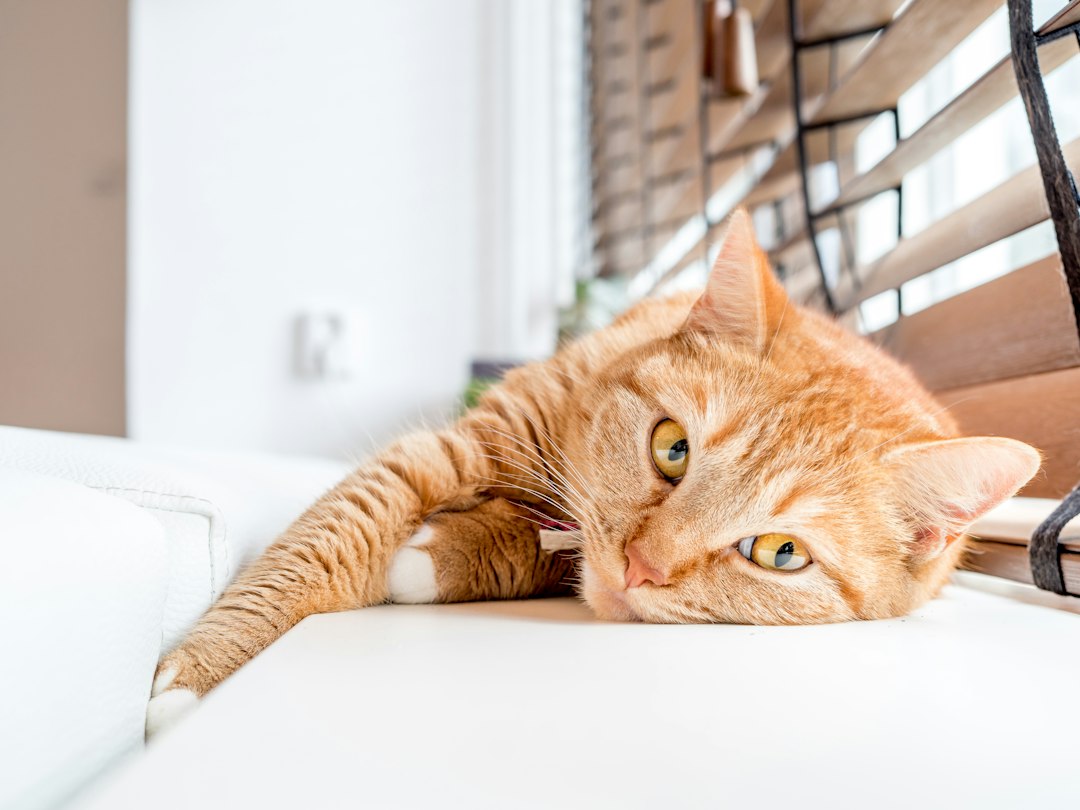
Sick cat body language is quieter than anger. A cat in pain often hunches, hides, and moves less. The coat may look dull. The eyes stay half-closed. A sudden change that lasts more than a day belongs with a vet, not a wait-and-see night at home.
On this page
Owners mix this up with a sulk. A cat that skips greeting, skips the jump to the sofa, and sits hunched in a closet is not being dramatic. That posture is a common pain crouch. Pair it with the rest of the body, the way we do in how to read cat body language, before you decide it is mood.
Cat Translator
Curious what that meow means?
Cat Translator gives you a playful answer in seconds — on the iPhone you already have.

PetTalk — Pet Translator
4.51,245 ratingson the App Store
 Point your camera to install
The 30-second check
Watch the whole cat for half a minute. Ask three questions before you touch them.
- Is the back arched into a tight hunch, or is the body a loose loaf?
- Are they in their usual spot, or hidden somewhere new?
- Did this start in the last day, or has it been creeping for a week?
A tight hunch plus a new hiding place plus a sudden start is a same-day vet cue. A loaf in a sunny window is rest. The hunched sit we cover in cat body language when sitting is the posture to compare against.
Step 1: Read the pain crouch
Start with the torso. A cat in pain often tucks the feet under and rounds the back. The belly looks pulled in. They may freeze when they would usually stretch.
- Hunched, feet tucked, head a little low: treat as pain until a vet says otherwise.
- Loose loaf, paws tucked, eyes soft: this is rest, not illness.
- Stiff legs and a hard stare: that reads closer to angry cat body language than to sickness.
When it will not apply: some older cats sit hunched from arthritis every evening. Still get it checked. Do not guess which hunch is 'their normal' without a vet once.
Step 2: Watch hide, groom, and jump
Behavior fills in the posture. Sick cats often stop the small habits you barely notice until they vanish.
- Hiding in a closet, under the bed, or behind the washer.
- Coat looking greasy or spiked because they stopped grooming.
- Skipping the jump to a favorite chair, then walking the long way around.
The Cornell Feline Health Center treats behavior change as a health clue, not a personality shift. A cat that still eats but will not jump is still a cat that needs a look.
Step 3: Separate sick from stressed and angry
Stress and pain share a few cues. The mix around them is different. Use this table as a first sort, then let a vet settle it.
| Cue | More like sick or pain | More like stress or anger |
|---|---|---|
| Posture | Hunched, still, reluctant to move | Crouched to spring, or stiff and facing you |
| Ears | Neutral or slightly back, little motion | Sideways airplane ears, or pinned flat |
| Voice | Quieter than usual, or a low growl when touched | Hiss, spit, or a hard yowl at a trigger |
| Place | Hidden, new spot, away from traffic | Watching the door, the dog, or your hands |
| Grooming | Coat dull; they skip the usual wash | Over-grooming one patch until it thins |
Pinned ears plus a lashing tail is a warning, not a fever. See cat ear body language and why cats hiss if the scene is a fight, not a huddle.
Step 4: Know when to go the same day
Book a vet visit the same day if you see any of these with the hunched posture.
- They will not eat or drink for a full day.
- They strain in the litter box, or you see blood.
- They breathe with an open mouth or a rocking chest.
- They cry when you touch the belly, mouth, or a joint.
- An older cat that was fine yesterday is suddenly withdrawn.
Do not wait for a second night of hiding. Cats hide illness. That is why the body read matters more than hoping they 'sleep it off'.
Cat Translator
Still reading about the signs?
Open Cat Translator and try a recording next time your cat talks. Free on iPhone, iOS 16 or newer.
PetTalk — Pet Translator
PetTalk — Pet Translator · Free · iOS 16+
Point your camera to installA lighter way to practise reading sound, not pain
Nothing above needs an app. Pain is a vet job. Once your cat is well and chatty again, Cat Translator — listed on the App Store as PetTalk - Pet Translator — turns a meow or purr into a short, playful line on your iPhone. It runs on iOS 16 or newer, is free to download, and the listing says analysis stays on the device. It is a toy, not a diagnosis. For who builds it, see our about page or the Cat Translator home page.
Frequently Asked Questions
What does sick cat body language look like?
A sick cat often hunches, hides, and moves less than yesterday. The coat may look dull. Eyes may stay squinty. They skip jumps they used to make without thinking. Pair those signs with eating, litter habits, and breathing, then call a vet if the change holds.
How do I tell pain from a cat that is just tired?
Tired cats loaf in a usual spot and still greet you. Cats in pain pick a new hide, resist being touched, and look smaller. A one-hour nap after play is rest. A day of the pain crouch is not. When you cannot tell, a vet visit is cheaper than a wrong guess.
Can a cat hide being sick until it is serious?
Yes. Cats often stay quiet when they hurt, so owners see the body change late. That is why a sudden hunch or a skipped jump is worth a call. Do not wait for crying. Crying is a late sign, not the first one.
Should I use an app to check if my cat is ill?
No. An entertainment translator reads sound for fun. It does not find fever, a blockage, or dental pain. If the body language looks sick, skip the recording and phone the clinic. Save the app for a well cat that is meowing at 3 a.m. for attention.