How to Read Cat Body Language
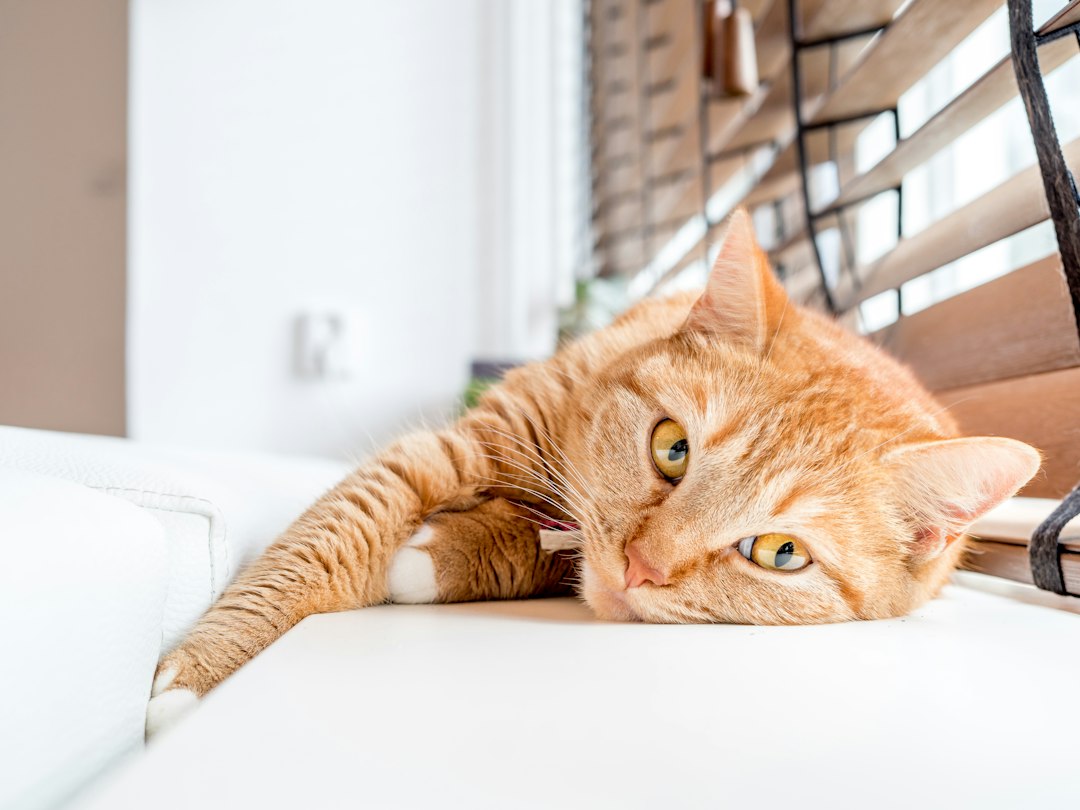
Reading cat body language means watching four things at once: the tail, the ears, the eyes, and the overall posture. A relaxed cat holds a soft, upright tail, keeps its ears forward, and lets its eyes fall half-closed. A tense cat pins its ears, tucks or puffs the tail, and crouches low and still.
On this page
Most owners react to the loud stuff, like a yowl or a swat, and miss the quiet tail flick that came moments earlier. Cats send the small signals first. Read those, and the loud ones rarely catch you off guard. The methods below follow the order a cat actually shows its mood.
The 30-second body-language test
Before you label your cat calm or upset, watch it for about half a minute. This quick check stops you from guessing.
- Tail: is it up with a soft tip, or low, tucked, or puffed?
- Ears: forward and loose, or swivelled sideways and flat?
- Body: draped and soft, or tight, crouched, and frozen?
Up, forward, and loose means your cat feels fine. Down, flat, and tight means back off. If a friendly cat suddenly turns tense and stays that way for a day or two, treat it as a health question and call your vet. The happy end of the scale is an upright tail, a slow blink, and a loose loaf — the same four cues, stacked.
Method 1: Start with the tail
The tail is the loudest, clearest signal a cat has, so read it first. It moves more than any other body part and gives away the mood fastest.
- Straight up with a soft hook at the tip: a confident, friendly hello.
- Low or tucked under the body: nervous, unsure, or wanting space.
- Puffed and bristled: fear or a threat display, not aggression for fun.
- Fast thump or lash against the floor: irritation, so stop what you are doing.
When it won't apply: a kitten still learning tail control may hold it high out of habit. Pair the tail with the ears before you decide. An upright tail with a soft hook is the classic friendly hello; a puffed tail is fear, not a greeting.
Method 2: Read the ears and whiskers
The ears fine-tune whatever the tail told you. A cat aims its ears like small radar dishes, and they move faster than most owners notice.
- Forward and slightly out: relaxed, curious, tuned in to you.
- Swivelled to the sides ("airplane ears"): anxious or overstimulated.
- Flat and pinned back: scared or ready to defend itself.
Whiskers add a second layer. Loose whiskers fanned out to the sides mean calm. Whiskers pulled tight and forward mean focus or tension. The ASPCA's notes on cat aggression describe the flat-eared, crouched look of a frightened cat well.
Method 3: Check the eyes and pupils
The eyes reveal how safe your cat feels right now. Watch both the lids and the pupils, since they tell different parts of the story.
- Slow, lazy blinks lasting 1 to 2 seconds: a "cat kiss," a sign of trust.
- Soft, half-closed eyes: calm and content.
- Wide eyes with round, dilated pupils: fear, excitement, or dim light.
- A hard, unblinking stare: tension, and sometimes a challenge.
Try blinking slowly back across the room. Many cats return it. When it won't apply: bright light and dark rooms both change pupil size, so read the eyes with the ears, not alone.
Method 4: Watch the whole body and posture
Posture is the summary signal, so read the whole shape last. A tense cat makes itself small; a relaxed cat spreads out and takes up room.
- Loose, draped, or belly-up: relaxed and trusting the room.
- Sitting tall with paws tucked: settled but alert, an easy loaf.
- Crouched low with legs coiled under: worried and ready to bolt.
- Arched back with fur up and turned sideways: classic fear display.
A hunched, still crouch can also mean pain, especially in an older cat. A loaf with paws tucked is settled; a tight hunch with the head low is a vet question, not a cute sit. For pain signs that go past posture, see sick cat body language.
Method 5: Read the cues together, not alone
No single signal is proof. A purr, a raised tail, or a slow blink means little on its own, so stack the cues before you decide.
- When every signal agrees, trust the picture.
- When they clash, such as a purr over a braced body, trust the body.
- When cues flip fast during petting, give the cat a break; that is overstimulation, not spite.
This is also where a dog gets it wrong, because many cat signals mean the opposite to a dog. See do dogs understand cat body language if you share a home with both.
Calm vs. stressed cat at a glance
Use this table as a fast reference while you learn. Read the row across, not one box in isolation.
| Body part | Calm, happy cat | Stressed or scared cat |
|---|---|---|
| Tail | Up, soft tip, or loosely wrapped | Tucked, low, puffed, or lashing |
| Ears | Forward and slightly out | Sideways or flat and pinned |
| Eyes | Soft, half-closed, slow blinks | Wide, dilated, or hard staring |
| Whiskers | Loose, fanned to the sides | Pulled tight and forward |
| Body | Loose, draped, or easy loaf | Crouched, tense, or arched |
Behavior reads the moment, not a medical chart. A cat that drops its normal habits over a day or two is a vet question, not a mood.
Cat Translator
Curious what that meow means?
Cat Translator gives you a playful answer in seconds — on the iPhone you already have.

PetTalk — Pet Translator
4.51,245 ratingson the App Store
 Point your camera to install
A playful helper: Cat Translator
You do not need an app to read a cat; the cues above do the real work. When your cat is loafed and slow-blinking, though, Cat Translator — our iPhone app, listed on the App Store as PetTalk — Pet Translator — is a fun way to join in. It covers both cats and dogs, and it is built for entertainment, not diagnosis.
The listing describes a simple loop:
- Make a pet profile with your pet's breed and age, cat or dog.
- Hold your iPhone near your cat and tap record; the listing says analysis runs on the device, with no audio uploaded.
- Read the light, human-style line it returns within seconds; it saves to your Sound History.
The listing shows the app runs on iPhone with iOS 16 or newer and is free to download. Keep the posture cues for anything that matters, and read the app's story on our about page. For the wider map of feline signals, see cat behavior explained.
What does happy cat body language look like?
A happy cat looks loose, not posed. The tail is up with a soft curl, the ears sit forward, the eyes half-close or slow-blink, and the body drapes into a loaf or a sideways sprawl. Kneading and a quiet purr often ride along. If the tail starts lashing or the ears go sideways, the mood just flipped — stop petting.
Cat Translator
Still reading about the signs?
Open Cat Translator and try a recording next time your cat talks. Free on iPhone, iOS 16 or newer.
PetTalk — Pet Translator
PetTalk — Pet Translator · Free · iOS 16+
Point your camera to installWhat does angry cat body language look like?
Anger in a cat is a warning, not a tantrum. Ears pin flat, the tail lashes or puffs, the body crouches or stiffens, and a low growl or hiss may follow. Give that cat a clear exit. Do not pick it up. If the same braced, flat-eared look lasts for days with no trigger, skip the mood read and call a vet — that can be pain.
What does a sitting cat's pose mean?
A loaf with paws tucked is settled and watching the room. A sit with the tail wrapped around the feet is polite and a bit reserved. A hunched sit with the head low, elbows out, and no loaf softness is the pain crouch. That last one is not a cute sit. Pair it with hiding or skipped jumps and phone the clinic.
What does tail up mean, and what do the ears and face add?
A straight-up tail with a soft question-mark hook is a friendly hello. A quiver at the tip, on a vertical tail, is often a greeting spray of scent, not fear. Add the face: slow blinks and forward ears confirm the hello; dilated pupils plus airplane ears cancel it. Read the four parts together, not the tail as a flag on its own.
Frequently Asked Questions
How do you read a cat's body language?
Read four parts together: tail, ears, eyes, and posture. Start with the tail, since it moves most and shows mood fastest. Add the ears and whiskers, then the eyes, then the whole-body shape. When several cues agree, you can trust the read. When they clash, believe the body over the sound, and watch for sudden changes.
What does a cat's tail tell you?
A cat's tail is its clearest mood flag. An upright tail with a soft curl means a confident, friendly greeting. A low or tucked tail signals nervousness, while a puffed, bristled tail shows fear. A fast thump or lash against the floor means irritation, so pause what you are doing. Always read the tail alongside the ears and eyes.
How can I tell if my cat is stressed or scared?
A stressed cat looks tight and small. Watch for flat or sideways ears, wide eyes with dilated pupils, a tucked or puffed tail, and a low crouch or arched back. A calm cat looks the opposite: loose body, forward ears, soft eyes. If the tense signals switch on suddenly and last more than a day or two, call your vet.
What do a cat's ears mean?
A cat's ears point where its attention and mood go. Forward, slightly out ears mean a relaxed, curious cat. Ears swivelled to the sides, often called airplane ears, signal anxiety or overstimulation. Flat, pinned-back ears mean fear or a warning to keep your distance. Ears move quickly, so glance at them often while you play or pet.
Do cats understand human body language?
Cats read human cues better than many people expect. They notice your posture, tone, eye contact, and routines, and often avoid a person who stares or looms over them. Slow blinks and a relaxed, side-on posture help a nervous cat feel safe. Cats do not read us like dogs do, but they learn your patterns fast.
Can you really learn to read cat body language?
Yes, most owners get good at it within a few weeks of watching closely. Cats repeat the same signals, so the tail, ears, eyes, and posture become easy to spot with practice. Watch your cat for 30 seconds before you touch it and note what each pose leads to. The Cornell Feline Health Center is a solid source when behavior hints at a health problem.