Why Does My Cat Headbutt Me?
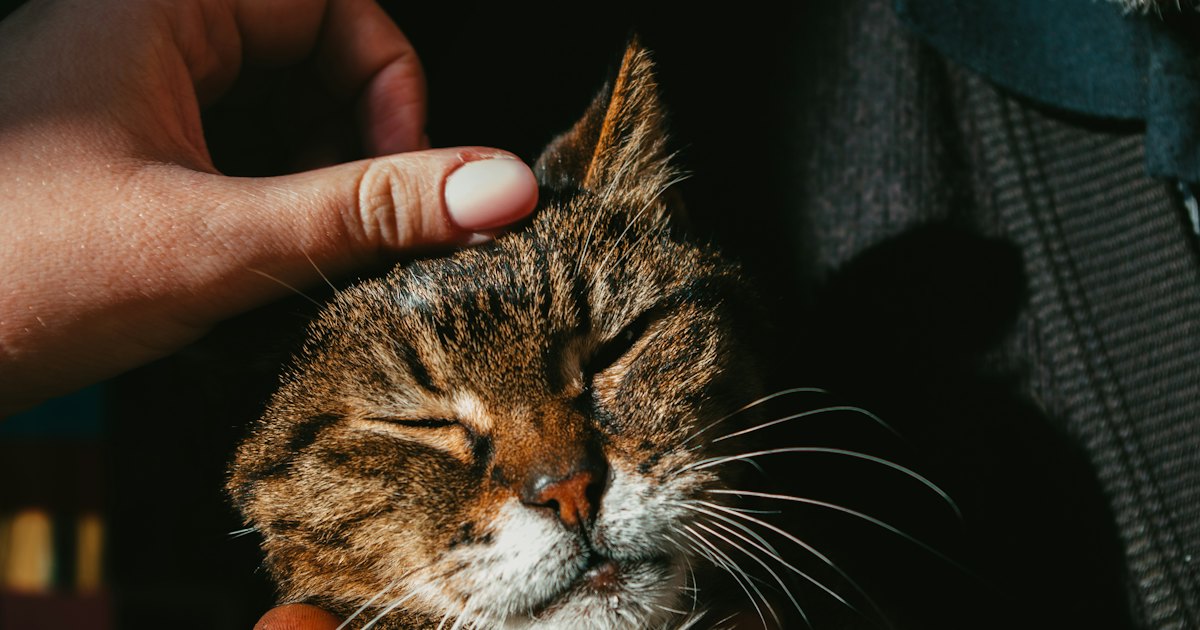
Your cat headbutts you to leave scent from glands on its face, marking you as part of its world. Cats call this bunting, and it often means affection, trust, or a request for attention. A hard, repeated press against a wall or a chair is different, and it can signal pain.
On this page
Most headbutts follow the same pattern. A soft bump lands on your hand, shin, or face, often paired with a slow blink or a low purr. That combination usually means your cat feels safe and wants contact, not food or attention right now. What happens right before and after the bump tells you more than the bump itself.
Cat Translator
What if you answered
in her own language?
Cat Translator gives you a playful answer in seconds — on the iPhone you already have.

PetTalk — Pet Translator
4.51,246+ ratingsFree


The 30-Second Headbutt Test
Run these three checks before you read too much into a single headbutt.
- Check the pressure first. A soft bump that bounces off you is bunting. A head held hard against a wall or your leg and left there is different — that's head pressing.
- Check the eyes next. Half-closed eyes and a relaxed tail usually go with an affectionate bump.
- Check the sound last. A purr or a short chirp next to the bump points to contentment. A yowl or a quick nip points to overstimulation, not affection.
If the sound is the hard part to read, our free cat sound decoder walks you through what a purr, chirp, or yowl next to a headbutt usually means — no recording or upload needed.
Method 1: Read the Scent-Marking Signal
Cats carry scent glands around their cheeks and temples. Headbutting rubs that scent onto you, which is why this behavior is commonly called bunting.
The same glands fire when your cat rubs the corner of a table or a doorway. Bunting on you does the same job — it mixes your scent with the cat's, so you read as familiar instead of new.
This is a sign of trust, not submission. A cat that feels unsafe keeps its distance instead of pressing its face into yours.
Method 2: Tell Affection Apart From a Request
Timing gives this away fast. A headbutt by the food bowl or at a closed door usually means your cat wants something. A bump right as you sit down to relax usually just means closeness.
Answer the request calmly and the headbutts don't escalate. Ignore it for too long and some cats switch to a meow, a paw tap, or a nip to get your attention.
If you want to track whether a pattern like this shows up more at certain times of day, PetTalk — Pet Translator (free, iOS 16+, 4.5★ from 1,245+ ratings) saves each reading to Sound History, so you can compare days instead of relying on memory.
Cat Translator
Still reading about the signs?
Open Cat Translator and try a recording next time your cat talks. Free on iPhone, iOS 16 or newer.
PetTalk — Pet Translator
4.51,246+ ratingsFree
Method 3: Watch for Overstimulation Bites and Head Pressing
A headbutt followed by a quick, light nip is usually overstimulation, not aggression. Your cat enjoyed the contact until it suddenly didn't, and the bite is the switch flipping.
Stepping back for a few seconds usually stops the nipping in most cases. Repeated bites that break skin, or ones that come with a flattened tail and wide pupils, are a different signal worth taking seriously.
Head pressing looks different. A cat that pushes its head hard into a wall or a piece of furniture and holds it there is not greeting you. That pattern can point to pain or a neurological problem, and it's worth a vet visit soon.
Method 4: Notice Headbutts Aimed at Objects, Not You
Bunting isn't only for people. Cats bump phones, grocery bags, and new shoes because those objects carry an unfamiliar scent.
The bump is the same scent-marking move as the one aimed at your leg. It just targets the newest, strangest-smelling thing in the room first.
A phone is a common target because it travels with you and picks up new smells fast. Headbutting it just folds that smell back into the household's shared scent — not a behavior problem.
Headbutt Types at a Glance
Use this table as a quick cheat sheet once you've run the 30-second test above.
| Behavior | What It Usually Means | What To Do |
|---|---|---|
| Soft bump, slow blink, purr | Affection and trust (bunting) | Enjoy it — no action needed |
| Bump at the food bowl or door | A request, not pure affection | Respond if you can |
| Bump, then a light nip | Overstimulation, not aggression | Give a few seconds of space |
| Head pressed hard into a wall or furniture, repeated | Possible pain or a neurological issue | Book a vet visit |
| Bump against a phone, bag, or new object | Marking an unfamiliar scent | Nothing — normal curiosity |
This behavior is just one piece of a cat's personality. If you're still picking a name that matches a bossy, affectionate cat, our marvel cat names and human cat names guides are good places to start.
Cat Translator
Still reading about the signs?
Open Cat Translator and try a recording next time your cat talks. Free on iPhone, iOS 16 or newer.
PetTalk — Pet Translator
4.51,246+ ratingsFree
Frequently Asked Questions
Why do cats headbutt you?
Cats headbutt you to spread scent from glands on their face, which marks you as familiar and safe. The behavior is called bunting, and it often means affection or trust. Some headbutts also carry a request, like food or attention, especially when they happen at the food bowl or a closed door.
Why does my cat headbutt my face?
Your cat aims for your face because the scent glands on its own cheeks and forehead sit closest to yours during a hug or a cuddle. A face-level headbutt usually happens during calm, close contact, like when you're lying down or holding your cat. It's one of the clearest affection signals a cat gives.
Why does my cat headbutt me then bite me?
That pattern usually means overstimulation, not aggression. Your cat enjoyed the contact until it suddenly had enough, and the light nip is the signal that contact should stop. Giving a few seconds of space usually settles it. Bites that break skin or come with a flattened tail are a different signal worth watching more closely.
Why does my cat headbutt my phone?
Your cat headbutts your phone because it carries new scents from wherever you've been. Bunting against an object works the same way it does on you — it mixes in familiar scent until the object smells like part of the household. Bags, shoes, and other new items get the same treatment.
Is it bad if my cat headbutts too hard?
A firm bump is still normal bunting, even if it knocks your glasses or rocks your head back. What's not normal is a cat pressing its head hard into a wall or furniture and holding it there, which is called head pressing. That pattern can point to pain or a neurological issue, so it's worth a vet visit soon.