What Are Good Human Cat Names?
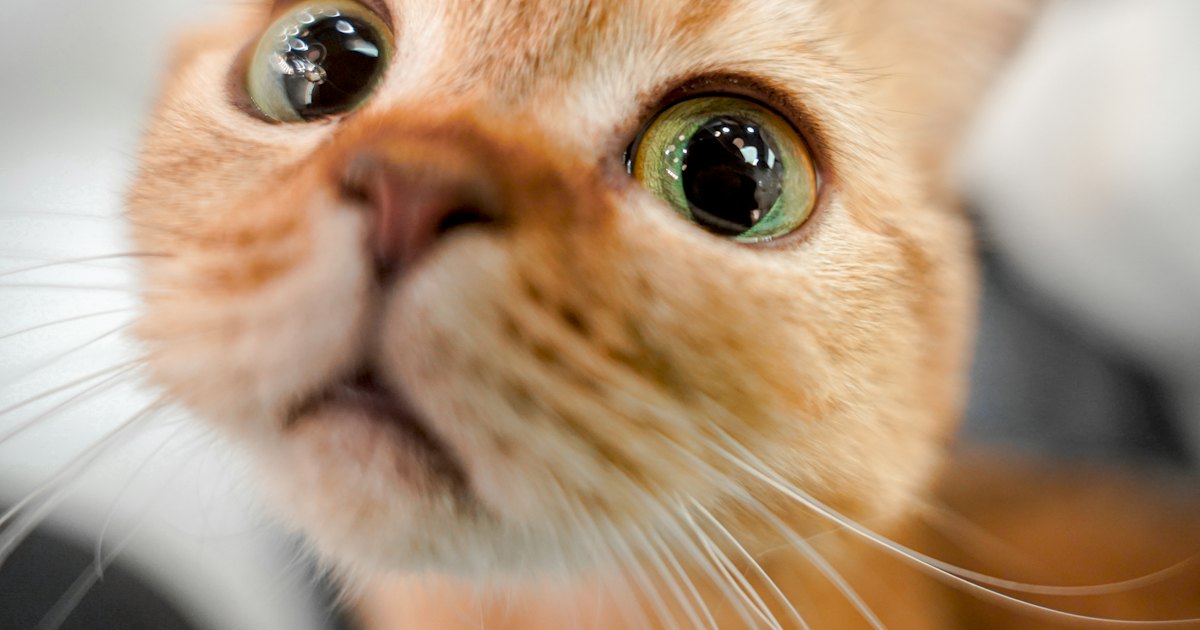
Good human cat names usually fall into four styles: classic, trendy, funny, and short. Walter and Mabel are classic. Leo and Nora are trendy. Gerald and Linda work as a funny mismatch, and Max or Jo cover the short, call-able option. The best pick matches your cat's face, size, or personality.
On this page
Plenty of cat owners skip Whiskers and Fluffy and reach for a name that sounds like a person instead. It is a small decision with more thought behind it than people admit, usually after a lot of scrolling through baby-name lists. The five methods below cover the main ways owners land on one. Each comes with real examples, plus a quick way to test any name before you commit to it for good.
Cat Translator
What if you answered
in her own language?
Cat Translator gives you a playful answer in seconds — on the iPhone you already have.
PetTalk — Pet Translator
4.51,246+ ratingsFree


The 30-Second Name Test
Before you settle on a name, run it through three quick checks.
- Say it three times fast. Does it stay clear, or does it blur into another word your cat already knows, like "sit" or "no"?
- Shorten it to one syllable. Gerald becomes Ger, Eleanor becomes El — does the short version still fit your cat?
- Picture calling it from the porch at night. Soft names like Oliver carry less than sharp ones like Gary.
Method 1: Match the Name to Your Cat's Look
Some owners start with what they can see: coat color, face shape, or sheer size. A chunky orange tabby can wear a name like Gerald or Bartholomew in a way a scrawny kitten cannot.
- Gerald — for a big, dignified cat with a serious face.
- Mildred — for a calm cat that already looks older than it is.
- Bruce — for a stocky, broad-chested cat.
- Agnes — for a small, prim-looking cat that acts older than she is.
Method 2: Pick a Name That Fits the Personality
Behavior-based names tend to stick better than looks-based ones, mostly because you hear them every day. A cat who stares at you with obvious judgment earns a different name than one who flops over for belly rubs on command.
- Karen — for a cat who complains about everything, loudly.
- Gary — for a cat who seems permanently unimpressed.
- Linda — for a social cat who greets every visitor at the door.
- Walter — for a slow-moving, grumpy senior cat.
Part of the personality question is what your cat's meows and purrs actually mean. PetTalk — Pet Translator is a free iOS app for iOS 16 and newer. It turns individual sounds into a quick plain-English read. It will not pick the name for you, but it can confirm whether the "complainer" label is fair.
Cat Translator
Still reading about the signs?
Open Cat Translator and try a recording next time your cat talks. Free on iPhone, iOS 16 or newer.
PetTalk — Pet Translator
4.51,246+ ratingsFree
Method 3: Borrow a Classic or Vintage Name
Vintage names were common a century ago and are rare today. Almost nobody around you shares one now, so there is no mix-up with a family member or a guest. The Social Security Administration's baby names list is a public, searchable record of US given-name popularity by year. It is where most vintage picks on this page started.
- Walter, Harold, Eugene, Gerald, Bartholomew — vintage options for male cats.
- Mabel, Mildred, Agnes, Edna, Hazel — vintage options for female cats.
If vintage English names still feel too plain, two guides go further. Our royal cat names guide and our Scottish cat names guide both cover old-fashioned traditions with a sharper edge.
Method 4: Go Short and Call-able
Short names carry better outdoors and tend to stick faster during training. A cat reacts to a sound shape, not a meaning. One or two syllables is the sweet spot.
- Max, Jo, Gus, Lou, Theo — short, simple, human-sounding names.
- Stevie, Frankie, Charlie, Sam — short names that work for either sex.
Method 5: Try a Funny Mismatch
A deliberately plain or oversized human name on a small or silly-looking cat is its own genre of funny. A small tabby named Gerald or Doug gets a laugh at the vet's office every time.
- Doug, Steve, Gary, Kevin — ordinary office-guy names for a cat with a big personality.
- Linda, Karen, Susan, Debbie — names that work because they sound like a coworker, not a pet.
| Style | Example Names | Best For |
|---|---|---|
| Classic / vintage | Walter, Mabel, Harold, Edna | Owners who want a timeless, old-fashioned feel |
| Modern / trendy | Leo, Nora, Milo, Ivy | Owners who want something current and easy to say |
| Funny mismatch | Gerald, Karen, Doug, Linda | Owners who want a built-in laugh |
| Short & call-able | Max, Jo, Gus, Sam | Owners who want fast recall outdoors |
Cat Translator
Still reading about the signs?
Open Cat Translator and try a recording next time your cat talks. Free on iPhone, iOS 16 or newer.
PetTalk — Pet Translator
4.51,246+ ratingsFree
Frequently Asked Questions
Is it okay to give a cat a human name?
Yes, a human name works just as well as a traditional pet name. Cats do not register name meaning the way people do. They learn to associate a consistent sound with attention. Any clear, repeatable sound works, human-sounding or not.
What are the most popular human names for cats?
Classic names like Charlie, Oliver, Max, Lucy, and Bella show up often on cat-naming lists, alongside vintage picks like Walter and Mabel. Popularity varies by list and country, so treat any single ranking as a starting point rather than a rule.
Do cats respond better to human names or regular pet names?
Neither style works better on its own. What actually matters is a short, consistent sound used the same way every time. Pairing it with a reward like a treat is closer to how cats learn to respond to their name.
Do male and female cats need different types of human names?
No, a name's gender does not need to match a cat's sex. Plenty of owners give female cats traditionally male names like Gus or Walter, and the reverse works just as well. Pick whichever sounds right to you — there's no behavioral difference tied to the name's gender.
Should a cat's name match its personality?
Matching a name to a visible trait can help, but it is optional. A serious face, a loud voice, or a lazy streak all make a name easier to recall and explain to guests.