What Are Good Literary Cat Names?
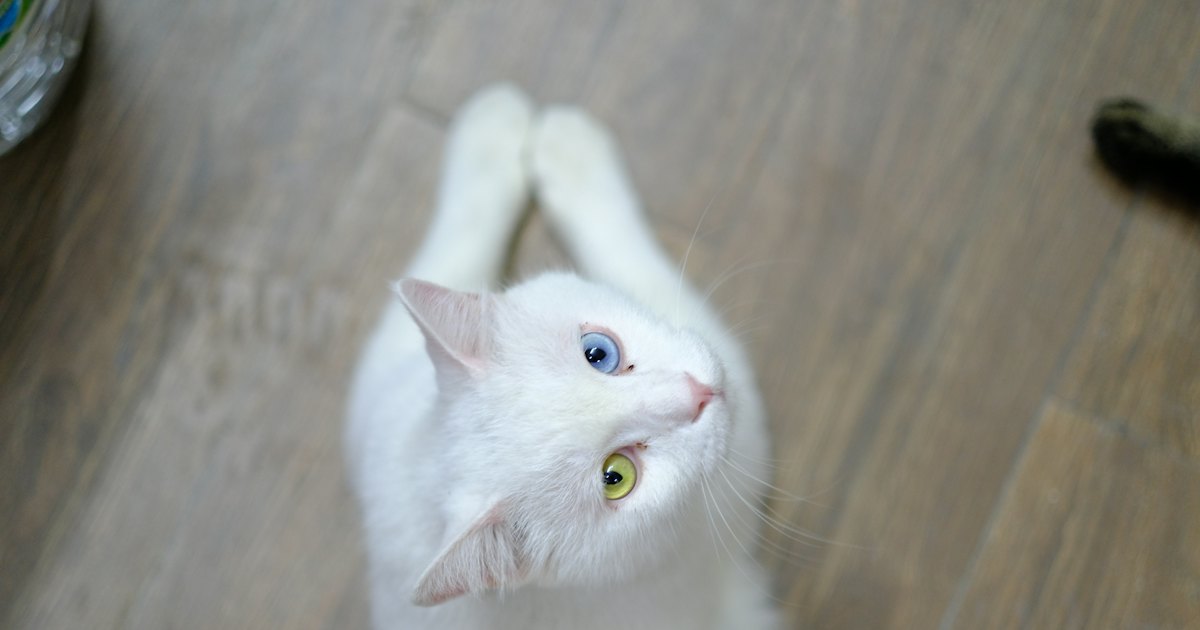
Good literary cat names come from classic novels, poetry, and children's books — picks like Atticus, Jo, Gatsby, Alice, and Heathcliff all work well. The strongest choice is short enough to call across a room, fits your cat's look or attitude, and carries a story other readers recognize right away.
On this page
Plenty of cat owners want a name tied to the books on their shelf, not just a cute sound. A literary pick can nod to a childhood favorite or a college major. It might echo the author whose voice got you through a long winter. The methods below cover where these names usually come from. Each one comes with real examples and a quick way to test a name before it sticks.
Cat Translator
What if you answered
in her own language?
Cat Translator gives you a playful answer in seconds — on the iPhone you already have.
PetTalk — Pet Translator
4.51,246+ ratingsFree


The 30-Second Literary Name Test
Run any shortlist through three quick checks before you commit.
- Say it out loud twice. Does it stay clear, or blur into an everyday word — Jo, Scout, and Pip can double as commands or nicknames.
- Shorten it. Hermione becomes Herm or Mio. Atticus becomes Atti. Check whether the short form still feels right.
- Picture using it at the vet's front desk. A name that needs the book title and the author to explain gets old fast.
Method 1: Pull Names From Classic Fiction and Poetry
Classic novels hand out more usable cat names than any other shelf in the house. The characters are well known, the names are short, and most already carry a clear personality.
- Atticus — the calm, principled father in To Kill a Mockingbird. Good for a watchful cat that doesn't rattle easily.
- Jo — from Little Women. Short and sturdy, it suits a scrappy tabby that runs the house.
- Gatsby — The Great Gatsby. A flashy, attention-seeking cat earns this one.
- Heathcliff — Wuthering Heights. Fits a moody, standoffish cat (and doubles as a nod to the comic-strip cat of the same name).
- Scout — also from To Kill a Mockingbird. A curious cat that gets into everything.
- Emma — Jane Austen's Emma. Confident, opinionated, and used to getting her way.
Method 2: Borrow a Name From Children's and Fantasy Literature
Kids' books and fantasy series supply some of the most recognizable cat names around. They tend to be playful, easy to spell, and instantly placed by anyone who grew up on the same series.
- Aslan — The Chronicles of Narnia. A big, calm presence, often picked for Maine Coons.
- Matilda — Roald Dahl's Matilda. Small, sharp, and fiercely independent.
- Frodo — The Lord of the Rings. Works for a small cat with an outsized personality, or a committed homebody.
- Pippin — also from The Lord of the Rings. Playful and food-motivated.
- Alice — Alice's Adventures in Wonderland. A curious cat that always finds trouble.
- Luna — Harry Potter's Luna Lovegood. Dreamy, independent, and a little odd in the best way.
Cat Translator
Still reading about the signs?
Open Cat Translator and try a recording next time your cat talks. Free on iPhone, iOS 16 or newer.
PetTalk — Pet Translator
4.51,246+ ratingsFree
Method 3: Name Your Cat After the Author, Not the Character
When the character names feel overused, owners often go a layer up and borrow the author's name instead. These read as a little more grown-up than a straight character pick.
- Poe — Edgar Allan Poe. Fits a dark-coated, dramatic cat.
- Dickinson — Emily Dickinson. A quiet, reclusive cat that hides most of the day.
- Austen — Jane Austen. A prim, particular cat with firm opinions about dinner time.
- Bronte — the Brontë sisters. A broody, dramatic cat that wants the window seat.
- Hemingway — Ernest Hemingway, whose Key West home is historically known for its polydactyl cats. A sturdy, food-driven cat with a few extra toes earns this one honestly.
Method 4: Match the Source to Your Cat's Personality or Look
Pick the method that fits the cat in front of you, not just the book you love most. This table sorts the names above by temperament, so you can start from your cat instead of your bookshelf.
| Personality or Look | Example Names | Literary Source |
|---|---|---|
| Calm, watchful | Atticus, Aslan | To Kill a Mockingbird, The Chronicles of Narnia |
| Scrappy, curious | Scout, Alice, Matilda | To Kill a Mockingbird, Alice's Adventures in Wonderland, Matilda |
| Moody, dramatic | Heathcliff, Poe, Bronte | Wuthering Heights, Poe's work, the Brontë sisters |
| Flashy or food-driven | Gatsby, Pippin, Hemingway | The Great Gatsby, The Lord of the Rings, Hemingway's cats |
If sci-fi and fantasy fandoms fit your cat better than classic fiction, our nerdy cat names guide covers that ground specifically. For a name that leans regal instead of bookish, see our royal cat names list.
Cat Translator
Still reading about the signs?
Open Cat Translator and try a recording next time your cat talks. Free on iPhone, iOS 16 or newer.
PetTalk — Pet Translator
4.51,246+ ratingsFree
Frequently Asked Questions
What is a good literary name for a cat?
A good literary name is short, easy to call out, and tied to a book or character people recognize. Atticus, Jo, Gatsby, and Alice all work because they read as names first and references second, not the other way around.
What are good literary cat names for girls?
Jo, Emma, Matilda, Alice, and Scout are common picks for female cats with a literary tie. Each comes from a well-known book, stays short enough to call out, and fits personalities from scrappy to composed.
What are good literary cat names for boys?
Atticus, Gatsby, Frodo, Heathcliff, and Poe are solid literary names for male cats. They span calm and dramatic personalities, so the right pick depends more on your cat's temperament than on gender.
Can I name my cat after an author instead of a character?
Yes — authors like Poe, Austen, Dickinson, and Hemingway work as cat names on their own. This route skips the "which character" debate and still signals a literary pick to anyone who gets the reference.
Is it okay to shorten a literary name?
Yes, and it often works better day to day. Hermione can become Herm, Atticus can become Atti, and Matilda can become Tilly. Test the short form before you commit, since that's the version you'll actually call out.
Do literary cat names have to come from classic novels?
No. Children's books, fantasy series, and poetry all count as literature. Names from Narnia, Middle-earth, or Wonderland are just as valid as ones from Austen or Brontë.