Are Cats Scared of Fireworks?
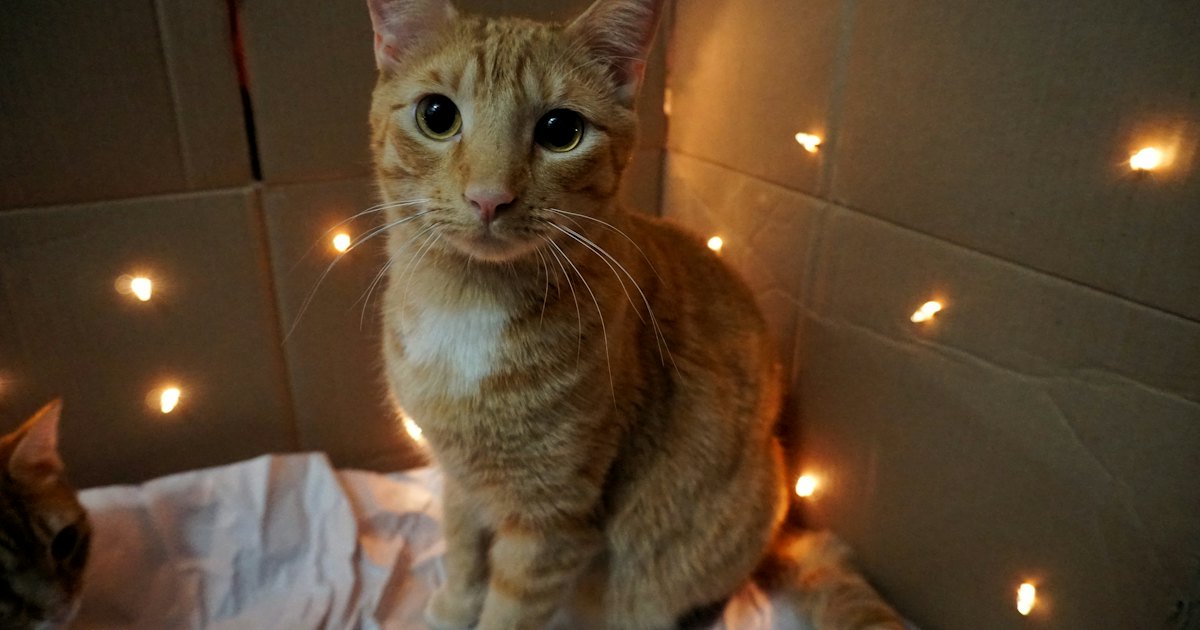
Yes, most cats are scared of fireworks. The sudden bangs and flashes trigger a strong startle reflex. A cat's sharp hearing also makes each boom feel louder and closer than it sounds to you. Expect hiding, flattened ears, or sudden bolting during a show.
On this page
In our experience covering cat behavior questions, the fear response looks the same across breeds and ages. A cat that seemed calm before dusk can be crouched under the bed minutes after the first boom. It happens fast. The good news: most of what helps happens before the first firework goes off, not during it.
Cat Translator
What if you answered
in her own language?
Cat Translator gives you a playful answer in seconds — on the iPhone you already have.

PetTalk — Pet Translator
4.51,246+ ratingsFree


The 30-Second Fireworks Stress Check
Before you start on fixes, check how scared your cat actually is right now. The signs below separate mild wariness from full panic, and that difference changes what you do next.
- Flattened ears and a tucked tail — mild to moderate stress.
- Dilated pupils and a crouched, low body — higher alert.
- Hiding under furniture or in a closet — normal self-protection.
- Scratching at doors, windows, or screens — bolt risk. Move to Fix 1 now.
Watching body language tells you how worried your cat really is. For the fuller picture beyond fireworks night, see our guide on how cats show stress through body language.
Fix 1: Keep Your Cat Inside and Secure Before Dusk
Bring your cat inside well before the first firework goes off, not after you hear the first boom. Close every window and door, and check screens for gaps a frightened cat could push through.
Double-check your cat's collar ID or microchip registration is current. If they do slip out during the panic, that's what gets them home again.
This step doesn't help if your cat already panics indoors during storms or loud trucks. For that kind of cat, the hiding spot and sound masking below matter more than the door being closed.
Fix 2: Build a Safe, Enclosed Hiding Spot
Set up a small, dark, enclosed space before the noise starts — a covered bed, a closet, or a blanket-draped corner away from windows. Cats feel safer when they can't see the flashes and have walls close around them.
Add something that already smells like them — a worn blanket or an unwashed shirt works well. Leave food, water, and a litter box nearby, so they never have to leave the hiding spot.
A hiding spot alone won't stop panic if your cat can still see the flashes through a gap in the blinds. Close the curtains too, especially in the room you've set up as the retreat.
Cat Translator
Still reading about the signs?
Open Cat Translator and try a recording next time your cat talks. Free on iPhone, iOS 16 or newer.
PetTalk — Pet Translator
4.51,246+ ratingsFree
Fix 3: Mask the Sound and Dim the Flashes
Turn on a TV, radio, or a fan before the show starts, and keep it running until well after the last boom. A steady hum covers the sharp edges of distant bangs better than silence does.
Close blinds and curtains too, since flashes through a window can be just as startling as the sound. A dim, quiet room beats a bright one with the TV blaring.
Masking works best for distant or neighborhood fireworks. It won't fully cover a show lit right outside your building, so pair it with the hiding spot from Fix 2.
Fix 4: Read What Your Cat Is Telling You
Once your cat is startled, their sounds carry real information. A low growl or hiss commonly means they need space, not a hug. A cat who leans in and chirps is usually asking for contact instead.
If you're not sure what a sound means, check it. PetTalk - Pet Translator records the meow, purr, growl, or yowl and reads it back in plain English.
It's a free iPhone app rated 4.5★ from 1,245+ ratings, built to read both cats and dogs.
The app translates the sound, but it won't replace watching your cat's body in person. It's built for fun and curiosity, not as a veterinary diagnosis, so use it alongside the signs above, not instead of them.
Fix 5: Know When to Call Your Vet
Cats usually settle down once the fireworks stop for the night. If your cat is still panting, hiding, or skipping meals into the next day, or got hurt trying to escape, call your vet.
A vet can rule out injuries and talk through calming options dosed correctly for your cat, not a human. Don't give your cat any medication on your own, including anything made for people, before checking with them first.
| Method | What it does | Best for | Limit |
|---|---|---|---|
| Bring cat inside before dusk | Removes the easy bolt route outdoors | Any home near a public display | Doesn't help if the cat already panics indoors |
| Enclosed hiding spot | Blocks sightlines to the flashes | Mild to moderate anxiety | Won't stop a true panic bolt on its own |
| Mask sound and dim light | Covers distant booms and flashes | Neighborhood or far-off shows | Can't fully cover a show right outside |
| PetTalk - Pet Translator | Decodes the sound your cat is making | Deciding whether to comfort or back off | Reads the sound — doesn't reduce the fear itself |
| Vet visit | Reviews injuries and discusses calming options | Cats that hurt themselves or can't settle | Takes planning, not a same-night fix |
Cat Translator
Still reading about the signs?
Open Cat Translator and try a recording next time your cat talks. Free on iPhone, iOS 16 or newer.
PetTalk — Pet Translator
4.51,246+ ratingsFree
Frequently Asked Questions
Why are cats scared of fireworks?
Cats are scared of fireworks because the sudden bangs, bright flashes, and unpredictable timing overload their sensitive hearing and trigger an instinctive flee response. Unlike thunderstorms, fireworks give almost no warning, so cats can't retreat ahead of the noise the way they sometimes do before a storm. The sharp, close bangs from backyard displays usually feel more threatening than a distant show.
Should I comfort my cat during fireworks?
Comfort your cat only if they come to you — forcing a hiding, hissing cat into your arms usually adds stress instead of lowering it. If your cat climbs into your lap or presses against you, calm petting and a steady voice can help. If they're hiding and growling, leave the hiding spot alone and check on them quietly every so often.
Will my cat try to run away during fireworks?
Yes, a startled cat may bolt toward any open door, window, or gap once fireworks start. Keep your cat inside with doors and windows secured before the first boom. Make sure their collar ID or microchip details are current in case they get out.
Do cats get used to fireworks over time?
Some cats grow a little more tolerant with repeated exposure. Fear of loud, sudden noise is a survival instinct, though, not a habit that fully fades with practice. A cat that handles one show calmly can still panic at a louder or closer one. Treat every fireworks night with the same prep: secure doors, a hiding spot, and sound masking. Don't assume last year's calm will repeat.
What calms a cat down fast during fireworks?
The fastest fix is to remove what's scaring them: cover the sound and block the flashes. Close the blinds, turn on a TV or fan, and let your cat retreat to an enclosed hiding spot. Cats calm down faster in a small, dark, familiar space than out in the open, even next to you. Avoid chasing or carrying a hiding cat out to fix the fear — that usually adds stress instead.
Is it safe to give my cat medication for fireworks?
Don't give your cat any medication, including over-the-counter options meant for people, without a vet's guidance first. Doses safe for humans can be dangerous for cats, even in small amounts. If fireworks anxiety is severe enough that your cat injures itself or can't settle afterward, talk to your vet about options dosed for cats.