How to Keep Cats Cool in Summer
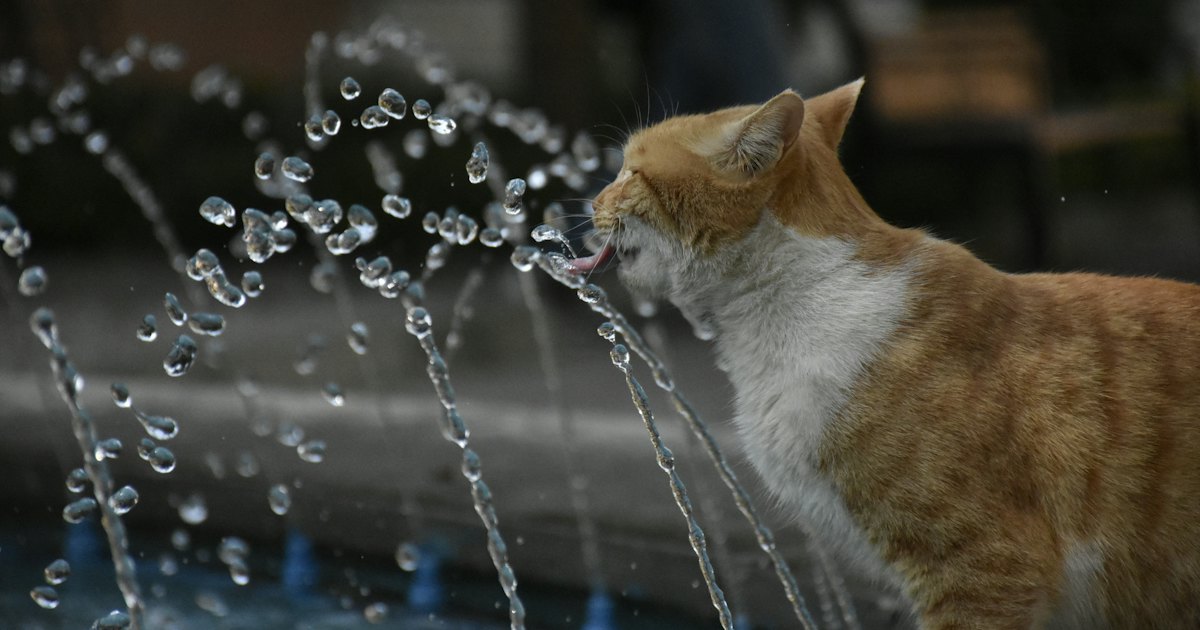
To keep cats cool in summer, give them cool water in more than one spot, shade or a closed-blind room, moving air from a fan, a cool surface like tile to stretch out on, and less fur to trap heat if they're long-haired. Watch for early heat-stress signs too, like heavy panting or drooling. Indoor cats need this too, even with AC running, since sunny windows add heat on their own.
On this page
In our experience covering cat behavior, heat stress often shows up in behavior before it shows up in posture. The same is true for fear — a cat's reaction to fireworks often starts as hiding, before anything else changes. A cat that usually begs to go outside at dawn might stay curled on the tile instead, or skip a meal during the hottest part of the day. That shift is worth watching, since heavy panting means your cat is already working hard to cool down.
Cat Translator
What if you answered
in her own language?
Cat Translator gives you a playful answer in seconds — on the iPhone you already have.

PetTalk — Pet Translator
4.51,246+ ratingsFree


Do Cats Get Hot in the Summer?
Yes, cats get hot in the summer, and indoor cats aren't automatically safe from it. Thick fur, dark coats, and flat faces on breeds like Persians all make heat harder to shed. Cats also have far fewer sweat glands than people, mostly in their paw pads.
Outdoor cats face direct sun and hot pavement, with no easy retreat to a cooler room. Indoor cats face a different risk: sealed, sun-facing windows that turn a room into a greenhouse. A cat left alone with the AC off on a hot day can overheat just as fast.
How Do Cats Cool Themselves Down?
Cats cool down mainly by panting, grooming saliva onto their fur, and stretching out flat on a cool surface. Saliva evaporating off the coat pulls a little heat away, similar to sweat. Stretching out flat exposes the belly and paw pads, where cats lose heat fastest.
None of these methods work as well as a dog's panting or a person's sweating. That's part of why cats overheat faster than owners expect. If your cat heads for a tile floor, a sink, or a shaded corner on a hot day, let it stay there. That's normal cooling, not hiding.
The 30-Second Overheating Check
Before you try any fix, check how your cat is doing right now. The signs below separate normal summer lounging from a cat that needs help fast.
- Panting with an open mouth — unusual for cats and worth attention right away.
- Drooling, bright red gums, or an unsteady walk — skip ahead to Fix 6.
- Lying flat and stretched out on a cool floor — normal cooling, not distress.
- Seeking out shade, tile, or a sink on their own — let them stay.
Fix 1: Keep Cool Water Available Everywhere
Set out more than one water bowl, and keep at least one in shade. Refresh the water at least twice a day once it gets hot. Cats tend to skip water that's gone warm and stale.
Ice cubes in the bowl keep water cold for longer. A small cat water fountain works too, since some cats drink more from moving water than from a still bowl.
This fix alone won't stop overheating if your cat is stuck in direct sun or a closed-up room. Pair it with the shade and airflow fixes below.
Fix 2: Keep Cats Cool Without Cranking the AC
You don't need central air running all day to keep a cat comfortable. Close blinds on sun-facing windows in the morning, before the room heats up, not after.
A box fan or ceiling fan keeps air moving across your cat, even without AC. A damp towel draped in front of the fan adds light evaporative cooling. Frozen water bottles wrapped in a towel work the same way a cooling mat does. Set one near your cat's favorite resting spot.
Tile floors, bathrooms, and basements stay cooler than carpeted rooms upstairs. Leave those doors open during the day so your cat can reach them. None of this replaces real AC in a sustained heat wave, so switch to AC or a cooler room if the house stays hot despite the fixes above.
Cat Translator
Still reading about the signs?
Open Cat Translator and try a recording next time your cat talks. Free on iPhone, iOS 16 or newer.
PetTalk — Pet Translator
4.51,246+ ratingsFree
Fix 3: Keep Outdoor Cats Cool and Shaded
Outdoor cats need shade that moves with the sun, not a single spot that goes dark by noon. A covered porch, a shaded shed, or a dedicated cat house all work better than one tree.
Give outdoor cats at least two water sources, both kept out of direct sun. One bowl can tip over or heat up fast outside. Raised, covered bowls stay cooler and collect less debris than a bowl on bare ground.
Avoid letting outdoor cats cross hot pavement or asphalt in peak afternoon heat. It can burn paw pads before the air itself feels dangerous to you. Move outdoor feeding and play time to early morning or evening instead.
Fix 4: Groom Long-Haired or Thick-Coated Cats More Often in Summer
Regular brushing removes loose undercoat that would otherwise trap heat against the skin. This matters most for long-haired breeds and any cat that's shedding heavily, since a thinner, mat-free coat lets air reach the skin more easily.
Brush a few times a week through the hottest months instead of once a month. Skip shaving a cat down to the skin unless a vet recommends it for a specific medical reason — a cat's coat also protects against sunburn, so removing it entirely can trade one risk for another.
Never Leave a Cat in a Parked Car in Summer
A parked car heats up fast in the sun, even with the windows cracked, and a cat can't escape that heat the way it could in a room with shade and airflow. If you're driving a cat anywhere in summer, bring it inside with you rather than leaving it in the car for any amount of time, even a quick errand.
Fix 5: Check What Your Cat's Summer Sounds Mean
A cat that's uncomfortable in the heat sometimes gets more vocal than usual. That can mean short, repeated meows, or a low growl if you move it off a cool tile floor. It's not always easy to tell a heat complaint from a hunger meow or a plain greeting.
If you want a second read on what you're hearing, PetTalk - Pet Translator records the sound and reads it back in plain English, in seconds.
The analysis runs on your phone, and the recording is never uploaded anywhere. It's a free iPhone app rated 4.5★ from 1,245+ ratings. It's built to read both cats and dogs.
It won't tell you your cat's body temperature, and it won't replace the checks in the next section. Think of it as a plain-English guess at what a sound usually means, not a thermometer.
Fix 6: Know the Signs of Heatstroke and When to Call the Vet
Heatstroke in cats can go from mild discomfort to an emergency fast, so don't wait out a worsening cat overnight. Heavy panting, drooling, bright red or pale gums, vomiting, stumbling, or collapse are all warning signs. Any one of them means calling your vet right away, not waiting until morning.
On the way to the vet, use room-temperature wet towels on the belly and paws. Run a fan nearby too. Skip ice-cold water or ice packs directly on the skin. Cooling a cat too fast brings its own risks, so let the vet guide anything beyond basic first aid.
Cats most at risk include seniors, kittens, overweight cats, and flat-faced breeds like Persians. All four groups regulate heat less efficiently to begin with.
For broader hot-weather pet-safety tips beyond cats, see the ASPCA's hot weather safety guidance.
| Fix | What it does | Best for | Limit |
|---|---|---|---|
| Cool water everywhere | Keeps cats hydrated and able to cool from the inside | Every cat, indoors or out | Doesn't help if water sits in direct sun or goes stale |
| Shade, fans, and cool floors | Lowers room and surface temperature without AC | Homes without central air, or AC-off hours | Can't match AC in a sustained heat wave |
| Shaded shelter for outdoor cats | Gives cats a retreat from direct sun and hot ground | Outdoor and indoor-outdoor cats | Shade has to move with the sun through the day |
| Regular brushing | Removes loose undercoat that traps heat against the skin | Long-haired or heavily shedding cats | Not a substitute for water, shade, or airflow |
| PetTalk - Pet Translator | Reads back what a meow, growl, or yowl usually means | Deciding whether a sound is a heat complaint or something else | Doesn't measure temperature or replace the checks above |
| Vet visit | Checks for heatstroke and treats it directly | Panting, drooling, stumbling, or collapse | Needs same-day attention, not a next-morning fix |
Cat Translator
Still reading about the signs?
Open Cat Translator and try a recording next time your cat talks. Free on iPhone, iOS 16 or newer.
PetTalk — Pet Translator
4.51,246+ ratingsFree
Frequently Asked Questions
How do cats cool down?
Cats cool down mainly by panting, spreading saliva on their fur, and stretching out on a cool surface. That releases heat through the belly and paw pads. These methods work slower than a dog's panting or a person's sweating. That's part of why cats overheat faster than people expect.
Do cats get hot in the summer?
Yes, cats get hot in the summer, including indoor cats in sun-trapped rooms. Thick fur, flat faces on some breeds, and few sweat glands all make heat harder to shed. It's harder for a cat than it is for a person in the same room.
How can I keep my cat cool without air conditioning?
Keep a cat cool without AC by closing blinds early and running a fan. Let your cat use cooler rooms too, like a tiled bathroom or a basement. Frozen water bottles wrapped in a towel, left near a resting spot, add extra cooling on hot days.
How do I keep outdoor cats cool in summer?
Keep outdoor cats cool with shade that stays in place all day. Give them at least two water sources kept out of direct sun. Also give them a break from hot pavement during peak afternoon heat. Move feeding and play time to early morning or evening instead.
What are the signs of heatstroke in cats?
Heatstroke signs in cats include heavy open-mouth panting, drooling, and bright red or pale gums. Vomiting, stumbling, and collapse are signs too. Any of these means calling your vet right away, not waiting to see if your cat improves.
Is it normal for cats to pant in the heat?
Occasional panting after play or serious heat can happen. But it isn't a cat's normal way to cool down the way it is for a dog. Panting that doesn't stop quickly, especially with drooling or weak movement, is a warning sign. Check the signs above, and call your vet if more than one shows up together.
Does brushing help keep a cat cool?
Yes, brushing out loose undercoat helps a cat shed heat more easily, especially for long-haired breeds. Brush a few times a week during the hottest months instead of once a month. Skip shaving a cat down to the skin unless a vet recommends it, since the coat also guards against sunburn.
Is it safe to leave a cat in a parked car in summer?
No. A parked car heats up fast in the sun, even with the windows cracked, and a cat has no way to escape that heat the way it could in a shaded, ventilated room. Bring a cat inside with you instead of leaving it in the car, even for a short errand.