What Are the Essentials Every Cat Needs?
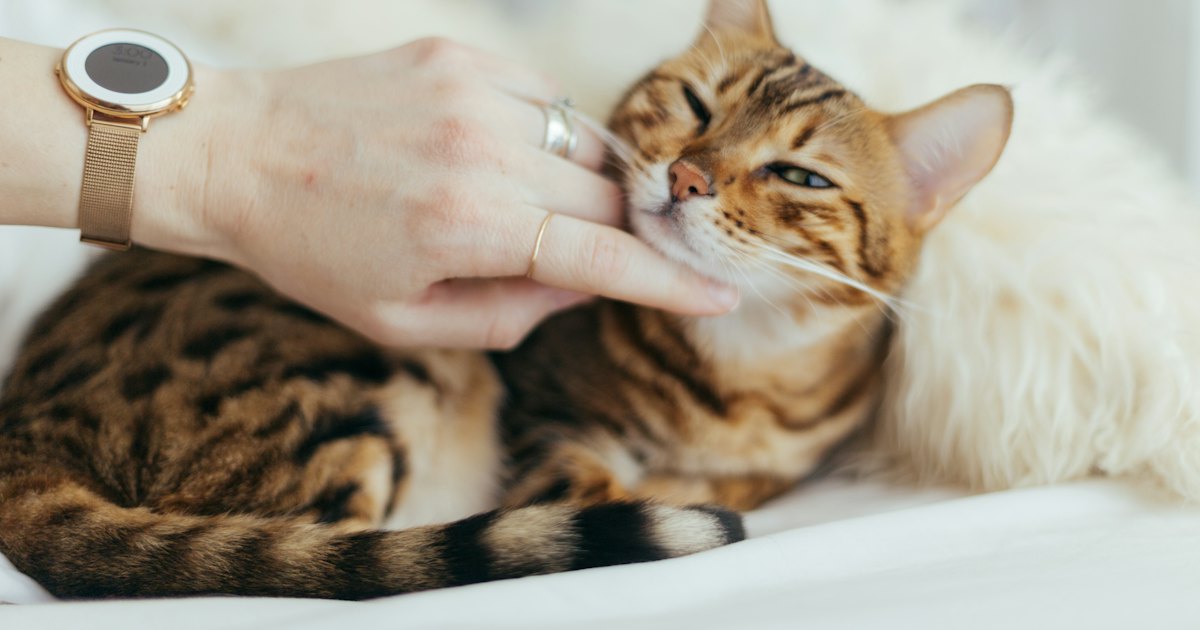
The essential stuff you need for a cat is a litter box and litter, a scratching post, food and water bowls, a carrier, a bed, and a few toys — plus knowing which foods are dangerous and how to keep your cat cool and calm. That short list covers what an essential cat setup looks like whether your cat just moved in or has lived with you for years.
On this page
In our experience covering cat care on this site, most essentials lists stop at the shopping cart. This isn't a one-time list for move-in day — it's the ongoing checklist for feeding, litter care, and safety that matters for as long as you have a cat. The supplies matter, but the daily habits matter more. That means knowing what you feed your cat, how often you scoop the litter box, and how you handle a heat wave or a loud thunderstorm. This guide covers both halves, not just the gear.
Cat Translator
What if you answered
in her own language?
Cat Translator gives you a playful answer in seconds — on the iPhone you already have.

PetTalk — Pet Translator
4.51,246+ ratingsFree


What Stuff Do You Actually Need for a Cat?
If you only buy six things, buy these: a litter box, litter, a scratching post, food and water bowls, and a carrier. Everything else on a longer shopping list — beds, toys, grooming tools — makes life easier but isn't the line between a cat being fine and a cat being unsafe. The litter box, scratching post, and carrier are the three items that are hardest to retrofit once a cat has already formed habits without them, so get those in place first.
The 2-Minute Cat Essentials Check
Run through these four questions before you read any further.
- Can your cat reach fresh water right now, away from the food bowl?
- Is the litter box in a quiet spot your cat can reach without jumping over anything?
- Does your cat have at least one hiding spot that stays cool when the room heats up?
- Is anything chocolate, onion, or garlic-based sitting somewhere your cat can reach it?
If you answered no to any of these, the steps below cover exactly what to fix.
Step 1: Get the Core Supplies Every Cat Needs
Every cat needs the same short list of gear, whether it just moved in or has lived with you for years. A litter box and litter come first, followed by a scratching post or pad, food and water bowls, and a cat carrier for vet visits and emergencies. Add a bed or a resting spot, a handful of toys, a brush, and nail clippers, and the basics are covered.
| Essential | Why it matters |
|---|---|
| Litter box | Needs a quiet, low-traffic spot your cat feels safe using |
| Scratching post | Protects furniture and lets your cat stretch and mark territory |
| Food & water bowls | Most cats prefer water kept away from the food bowl |
| Carrier | Needed for vet visits, travel, and emergencies |
| Bed or resting spot | Cats sleep much of the day and like a predictable spot |
| Toys | Daily play covers a cat's natural hunting instinct |
Step 2: Know What Your Cat Should Never Eat
Chocolate is a common food question for cat owners, and the short answer is no. Don't feed your cat chocolate in any form. Chocolate contains theobromine and caffeine. Cats process both compounds far more slowly than humans, so even a small amount can cause vomiting, a racing heart, or worse. Chocolate ice cream is not safer — the frozen part doesn't cancel out the chocolate. Onions, garlic, grapes, raisins, and anything sweetened with xylitol belong on the same do-not-feed list.
Cat Translator
Still reading about the signs?
Open Cat Translator and try a recording next time your cat talks. Free on iPhone, iOS 16 or newer.
PetTalk — Pet Translator
4.51,246+ ratingsFree
Step 3: Set Up a Litter Box Your Cat Will Actually Use
Placement matters more than brand. Put the litter box in a quiet, low-traffic spot that isn't next to the food and water bowls — cats avoid eating and eliminating in the same area. Scoop daily, and wash the box with unscented soap every week or two. If the smell lingers even after daily scooping, our guide on how to get rid of cat litter smell walks through deeper cleaning steps and litter-type swaps.
Step 4: Keep the Environment Safe and Cool
Walk through your home at cat height and look for trouble spots: loose cords, open trash cans, unlocked cabinets with cleaning chemicals, and gaps behind appliances. Kittens squeeze into smaller spaces than adult cats, so if you're kitten-proofing rather than cat-proofing, check behind the washer and dryer and tie up any blind cords.
Temperature matters just as much as hazards. Cats cool down by panting lightly, grooming to spread saliva across their fur, and seeking out shade or a cool floor. Heavy panting or hiding in an odd spot is often a sign the room is too warm. For a full cooling plan, see our guide on how to keep cats cool in summer.
Step 5: Watch for Stress Triggers Like Fireworks
Loud, sudden noise is one of the most common stress triggers for indoor cats. Fireworks, thunderstorms, and even a vacuum cleaner can send a calm cat under the bed for hours. Give your cat a hiding spot away from windows, close the curtains, and consider leaving a TV or fan on for background noise during a known loud night. Our guide on are cats scared of fireworks has a fuller calming checklist if fireworks are a recurring problem where you live.
One More Essential: Understanding What Your Cat Is Saying
Supplies and safety cover the practical side. The last essential is softer: figuring out what your cat is actually trying to tell you when it meows at 2 a.m. or chirps at the window. PetTalk — Pet Translator is a free iPhone and iPad app, built for iOS 16 or newer, made for exactly that. Create a cat profile with your cat's breed and age, hold your phone up when your cat vocalizes, tap record, and the app returns a short, playful read on the sound within seconds — processed on your device, with no audio uploaded anywhere. It's built for fun and curiosity, not as a veterinary tool, but it's a nice way to feel like you're finally getting an answer to the stare and the meow.
Cat Translator
Still reading about the signs?
Open Cat Translator and try a recording next time your cat talks. Free on iPhone, iOS 16 or newer.
PetTalk — Pet Translator
4.51,246+ ratingsFree
Frequently Asked Questions
What are the essentials every cat needs?
Every cat needs a litter box and litter, a scratching post, food and water bowls, a carrier, a bed or resting spot, and a few toys. Beyond supplies, the ongoing essentials are fresh water daily, a clean litter box, a diet free of chocolate, onions, garlic, grapes, and raisins, and a cool, quiet place to retreat to when the house gets loud or hot.
What is the single most essential thing for a cat?
If you had to rank them, a reachable litter box and fresh water come first — a cat that can't get to either reliably will develop litter box avoidance or drink too little, and both cause real problems fast. A scratching post and a carrier come next, since both are much harder to introduce later than to set up from day one.
Can cats eat chocolate?
No. Cats should never eat chocolate in any form, including milk, dark, or white chocolate. Chocolate contains theobromine and caffeine, compounds a cat's body can't break down well, and even a small amount can trigger vomiting, a fast heart rate, or tremors. If your cat eats chocolate, call your vet or an animal poison control line right away rather than waiting to see what happens.
Is chocolate bad for cats?
Yes, chocolate is bad for cats regardless of the amount or type. The theobromine and caffeine in chocolate build up in a cat's system much more slowly than in a human's, so a single bite can still cause symptoms hours later. Keep all chocolate, including baking chocolate and cocoa powder, somewhere your cat can't reach.
Can cats eat chocolate ice cream?
No. Chocolate ice cream carries the same theobromine risk as any other chocolate product — freezing it or mixing it with dairy doesn't make it safe. The cold and the dairy can also upset a cat's stomach on their own, on top of the chocolate itself. Stick to plain, cat-safe treats instead.
How do cats cool down in hot weather?
Cats cool down mainly by panting lightly, grooming to spread saliva across their fur for evaporation, and seeking out shade or a cool floor. Unlike dogs, cats rarely pant heavily unless they're overheated or stressed, so visible panting is worth a closer look. Fresh water, airflow, and a cool resting spot help most cats regulate on their own.
How do I cat-proof my house?
Walk through each room at your cat's eye level and remove or secure anything that could hurt them: loose cords, unlocked cabinets with cleaning chemicals, open trash cans, and small objects that could be swallowed. Check window screens for gaps, keep toilet lids down, and store medication well out of reach. Repeat the check whenever you rearrange furniture or bring in new plants.
How is kitten-proofing different from cat-proofing?
Kitten-proofing covers the same ground as cat-proofing, plus extra attention to small spaces. Kittens squeeze behind appliances, inside recliners, and into gaps adult cats usually avoid, so check those spots specifically. Tie up blind cords and rubber bands, since kittens chew through and swallow small items more often than adult cats do.