How to Get Rid of Cat Litter Smell
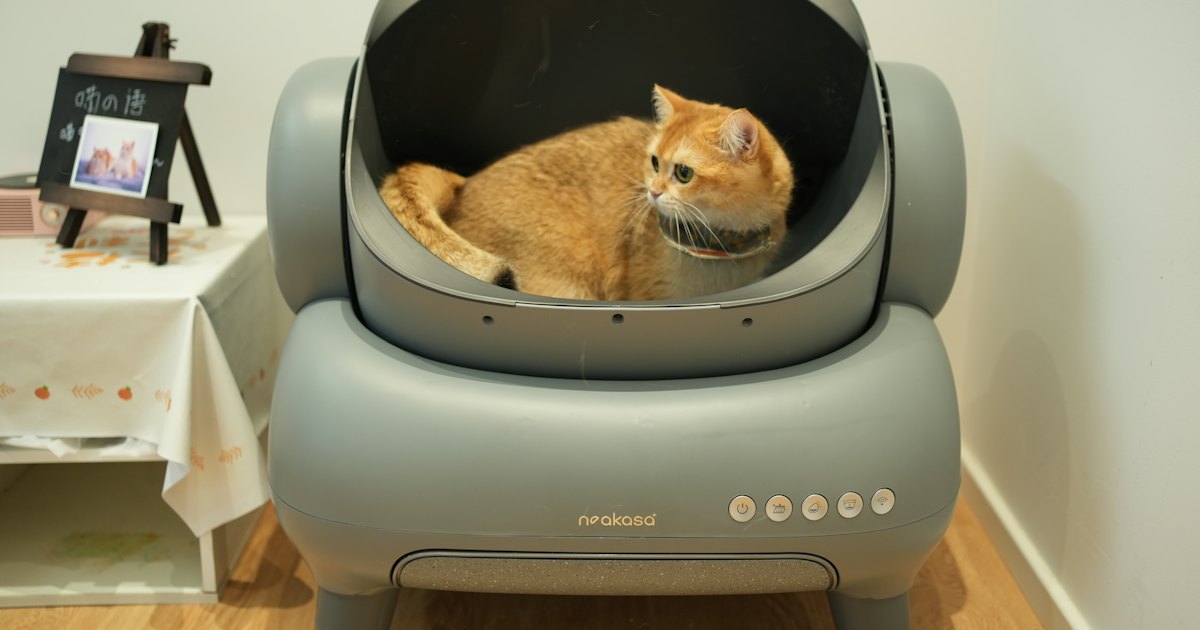
Cat litter smell usually comes down to three fixable habits: scooping, schedule, and placement. Scoop clumps once a day. Change the whole box every one to two weeks. Keep it in a spot with real airflow instead of a sealed closet. Fix those three habits and most litter smell clears up within a day or two.
On this page
In our experience covering cat care, litter smell complaints often trace back to one overlooked habit. It's rarely the litter brand itself. A box scooped once a day smells completely different by evening than one scooped every other day. The gap feels small until you are the one walking past it every morning.
Cat Translator
What if you answered
in her own language?
Cat Translator gives you a playful answer in seconds — on the iPhone you already have.

PetTalk — Pet Translator
4.51,246+ ratingsFree


The 30-Second Smell Test
Before you change litter brands, walk up to the box from across the room. If you can smell it from several feet away, the problem is the box, not the air around it. If you only notice the smell standing right over it, that points to airflow or placement. It usually is not the litter itself.
If the avoidance started suddenly, rule out stress first. A cat that's recently been spooked — the way many cats are scared of fireworks — will sometimes avoid a box it used without hesitation before. That's a behavior question, not a cleaning question.
Fix 1: Scoop Every Day, Not Every Few Days
Scoop solid waste and urine clumps once a day, ideally at the same time so it becomes routine. Waste left sitting in the box breaks down and releases ammonia, and that sharp smell is what most owners mean by a dirty litter box. A quick daily scoop removes almost all of that odor before it has a chance to build up. Skip a day here and there, and the smell catches up fast.
Fix 2: Change the Litter on a Real Schedule
A full litter change is different from scooping. It means dumping the whole box, washing it out, and starting over with fresh litter. For one cat on clumping litter, a full change every one to two weeks is typical. Non-clumping litter usually needs changing about once a week instead. Daily scooping stretches that schedule; skipped days shorten it fast.
Wash the box itself with mild soap and warm water at each full change. Skip scented cleaners and bleach. The smell can linger in the plastic and push some cats to avoid the box altogether.
Fix 3: Match the Litter Type to the Smell Problem
Clumping clay litter traps moisture around waste and stays easiest to keep odor-free with daily scooping. Crystal and silica litters dry waste out instead of clumping it, which controls smell differently and needs its own full-change schedule rather than daily scooping. Switch litters gradually over about a week, mixing old and new. A sudden full switch is one of the more common reasons cats start avoiding the box.
Cat Translator
Still reading about the signs?
Open Cat Translator and try a recording next time your cat talks. Free on iPhone, iOS 16 or newer.
PetTalk — Pet Translator
4.51,246+ ratingsFree
Fix 4: Fix Where the Box Sits
Smell gets trapped fastest in a box wedged into a closet corner or a bathroom with weak ventilation, since the air has nowhere to go. Put the box somewhere with real airflow instead, away from walls on three sides. Good airflow does double duty here. The same room changes that keep a cat cool in summer also keep ammonia from building up around the box. In a small apartment, a corner with a privacy screen usually beats a closet with the door kept shut.
Fix 5: Use Odor-Control Add-Ons the Right Way
A thin layer of baking soda under the litter, or an unscented odor-control litter, cuts down smell between full changes. Neither one replaces scooping. Covered boxes contain visible mess, yet they also trap stronger smell inside until you open them. A lid only helps once scooping is already on schedule. Skip heavily scented litters and sprays. Strong fragrance mixed with ammonia often smells worse than the ammonia alone, and plenty of cats avoid a box that smells strongly of perfume.
| Method | What it actually does | Upkeep needed | Best for |
|---|---|---|---|
| Daily scooping | Removes waste before it breaks down and smells | Once a day | Every box, every cat |
| Baking soda layer | Absorbs some odor between full changes | Reapply at each full change | Light smell, low-maintenance boxes |
| Activated-carbon lid or filter | Filters air as it leaves a covered box | Replace the filter on its own schedule | Covered boxes in small rooms |
| Crystal or silica litter | Dries waste instead of clumping it | Full change on its own schedule | Owners who want fewer full changes |
| Scented litter or sprays | Masks odor instead of removing it | Not a fix on its own | Not recommended — can make cats avoid the box |
Do Multiple Cats Need Separate Litter Boxes?
Cats can physically share one litter box, but sharing is a common reason a clean-looking box still smells. More cats using the same box means more waste piling up between scoops, so the smell shows up faster even with daily scooping. For two cats, we'd point you toward two boxes rather than one, plus a third if you have the room.
- One cat: one box, minimum
- Two cats: two boxes, three if you have the room
- Three or more cats: one box per cat is the safer starting point
Box size matters too. A large breed like the Maine Coon needs more room to turn around than a standard-size box gives. Check size before blaming the smell on behavior. Spreading boxes across different rooms also means neither cat has to cross the other's territory just to go.
Cat Translator
Still reading about the signs?
Open Cat Translator and try a recording next time your cat talks. Free on iPhone, iOS 16 or newer.
PetTalk — Pet Translator
4.51,246+ ratingsFree
Frequently Asked Questions
How often should you change cat litter?
Change clumping litter fully every one to two weeks for a single cat, and scoop clumps daily between changes. Non-clumping litter usually needs a full change about once a week, since it does not absorb and separate waste the way clumping clay does. Multiple cats or a sensitive nose at home both push that schedule shorter.
How often should you clean a litter box?
Clean the litter box itself, not just the litter, every time you do a full change — roughly every one to two weeks. Wash it with mild soap and warm water, then dry it fully before adding fresh litter. Skip bleach and strong-smelling cleaners, since lingering fumes can push a cat to avoid the box.
Can cats share a litter box?
Cats can share a litter box, but sharing usually means the box fills up and starts smelling faster than scooping alone can keep up with. It works better with cats who get along well and a box that gets scooped more than once a day. For most multi-cat homes, separate boxes per cat work out easier than one shared box.
How many litter boxes do you need for two cats?
Two cats typically do best with two litter boxes, plus a third if you have the room for it. Spreading boxes out means no single box fills up fast enough to start smelling between cleanings. Put the boxes in different rooms too, so neither cat has to cross the other's territory to go.
Where should you put a litter box in a small apartment?
In a small apartment, put the litter box somewhere with real airflow rather than sealed inside a closet with the door shut. A bathroom, laundry nook, or a screened-off corner usually works, as long as air can move through the space. Avoid wedging the box behind furniture on three sides, since that traps smell instead of letting it clear.
How do you get rid of cat litter smell fast?
For a fast fix, scoop the box completely and wipe down the inside with mild soap and water. Add a thin fresh layer of litter over what's left. Open a window or point a fan at the room while it airs out. That combination clears most of the smell quickly, even though it is not a substitute for your regular change schedule.