How to Use Kitten Sounds to Attract a Cat
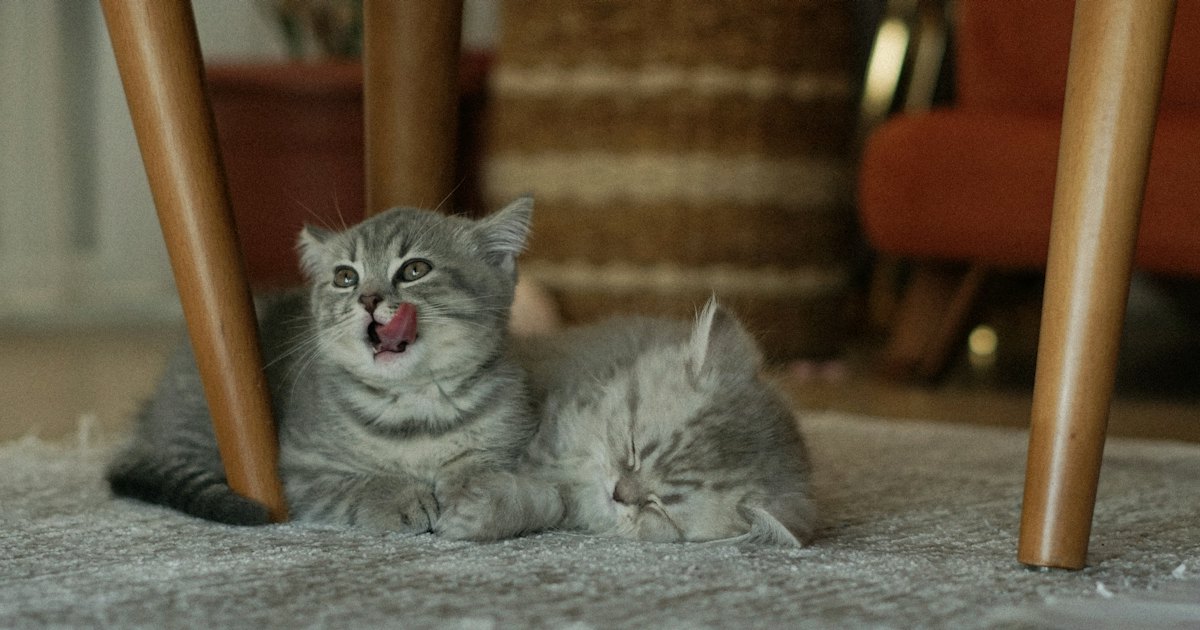
To attract a cat with kitten sounds, play a high-pitched kitten mew or distress call from your phone at a low volume. Cats are wired to notice these calls, so the cat usually turns, freezes, then walks toward the sound. Pair it with food or a familiar scent for a faster response.
On this page
On an iPhone or iPad, a 20-second kitten mew clip at about 30% volume works better than a loud one. Play it from another room, not right beside the cat. A nervous cat usually pokes its head out within a minute, ears turned forward. At full volume the same clip often backfires — it reads as a threat, and the cat bolts.
Cat Translator
What if you answered
in her own language?
Cat Translator gives you a playful answer in seconds — on the iPhone you already have.

PetTalk — Pet Translator
4.51,246+ ratingsFree


The 30-second test
Not sure sound will move your cat at all? Run this quick check first. Play one kitten chirp at low volume and watch the ears. Ears that swivel toward the phone mean the cat is interested — keep going. Flat ears or a fast exit mean stop; this cat is sound-shy, and food will pull it in better than any clip.
Which kitten sound attracts cats best
Not every kitten noise does the same job. A high mew signals a lost or hungry kitten, and that pitch grabs a cat fast. Lower purrs say safety, which calms a cat that is already near. Match the sound to the cat in front of you.
| Sound | Pitch | What it triggers | Best for |
|---|---|---|---|
| Kitten mew (mother call) | High | Attention, approach | Most cats |
| Kitten distress cry | High, urgent | Curiosity, protective urge | Nervous or hidden cats |
| Chirp or trill | Medium | Social curiosity | Confident, social cats |
| Rapid repeated mews | High, fast | Urgency, feeding link | Food-motivated cats |
| Purr | Low | Calm, safety | Cats already close |
Method 1: Play a real kitten mew from your phone
This is the fastest route. Search "kitten mew" or "kitten distress call" on your phone and pick a clean 10-30 second clip. Start the volume low, around 20-30%, then lift it only if the cat ignores it. Adult cats rarely meow to each other; according to the ASPCA, meowing is aimed mostly at people, so a kitten's voice reads as a genuine social call and cuts through.
Keep clips short. Looping the same cry for five minutes turns interest into stress, and a stressed cat leaves.
Method 2: Copy the kitten mew with your own voice
No clip handy? You can fake a passable kitten mew. Aim for a short, high "mew" that rises at the end, repeated every 5-10 seconds. Keep it soft and drawn out, not sharp. If your own cat answers with a raspy meow, that's a reply, not a problem — it just means keep the exchange going.
This method shines outdoors, where you can't carry a phone speaker across a whole yard.
Cat Translator
Still reading about the signs?
Open Cat Translator and try a recording next time your cat talks. Free on iPhone, iOS 16 or newer.
PetTalk — Pet Translator
4.51,246+ ratingsFree
Method 3: Pair the sound with food and a familiar scent
Sound alone opens the door; food walks the cat through it. Play the kitten mew, then set down a strong-smelling treat 3-6 feet away. Tuna or a lick treat works well. Sit still and low, because looming over a cat cancels the invite. Watch the body first — if you see aggressive cat body language like a lashing tail or flat ears, stop and give the cat space.
For a stray, or a cat after a house move, this pairing beats sound on its own.
Method 4: Read the cat's reply with Cat Translator
Kitten sounds get the cat moving. Cat Translator tells you what it says back. The app runs AI acoustic analysis on your iPhone and returns a plain-language read of a meow, purr or chirp within seconds, with no audio leaving the device. It's free to download on iOS 16 and up.
- Open Cat Translator and create a profile with the cat's breed and age.
- Play your kitten clip and wait for the cat to answer.
- Hold the phone near the cat and tap record while it vocalizes.
- Read the result — a greeting meow means come closer, a growl means back off.
- Save it to Sound History to see which sounds pull the cat in over a week.
The app can't lure a cat that stays silent. For a quiet, food-driven cat, Method 3 still does the heavy lifting. Full access runs $9.99 a year, under $1 a month, if you want the saved history and offline mode.
When kitten sounds won't work
Sound isn't magic. A deaf or senior cat may not react, and some cats simply don't care about recordings. Cats in pain or full panic won't approach either — a hiding cat that also refuses food may need a vet, not a clip. Want to say hello the calm way instead? A slow blink often works, which is the idea behind an I love you in cat language exchange.
Cat Translator
Still reading about the signs?
Open Cat Translator and try a recording next time your cat talks. Free on iPhone, iOS 16 or newer.
PetTalk — Pet Translator
4.51,246+ ratingsFree
Frequently Asked Questions
Do kitten sounds really attract adult cats?
Yes, most adult cats react to a kitten's high mew or distress cry. The pitch signals a young, vulnerable animal, which pulls curiosity and, in females, a protective urge. It won't work on every cat, and a deaf or very shy cat may ignore it. Pair the sound with food for the strongest pull.
What kitten sound attracts cats the most?
A high-pitched kitten mew or distress cry attracts cats the most. That rising, urgent tone stands out against normal household noise and reads as a call for help or food. Chirps and trills work on social, confident cats. Low purrs calm a cat that is already close but rarely draw one from across a room.
Can I use kitten sounds to lure a lost or stray cat?
Kitten sounds can help lure a lost or stray cat, but food and scent matter more. Play a soft kitten mew near a safe spot, then leave strong-smelling food and step back 6-10 feet. Stay quiet and patient — a frightened cat may take 20-30 minutes to commit. Repeat at the same time each day.
Why does my cat ignore kitten sounds?
Your cat may ignore kitten sounds because the volume is too high, the clip is too long, or the cat is sound-shy. Some cats also learn a clip is fake after a few plays. Switch clips, drop the volume to about 20%, and add a treat. A wheezy-sounding kitten clip can also read as off to a listening cat.
Are kitten meow videos on YouTube safe to play?
Kitten meow videos are safe to play at a normal, low volume. Keep it under a conversational level and limit sessions to a minute or two. Loud, looping cries can stress a cat instead of drawing it in. Watch the ears and tail — flat ears or a puffed tail mean turn it off.
How loud should kitten sounds be?
Kitten sounds should be quiet — around 20-30% of your phone's volume. Cats hear far better than people, so a level that sounds faint to you carries clearly to them. Start low, watch for turned ears, and raise it only a notch if the cat shows no response after 30 seconds.