What Do Kitten Sounds Mean? A Sound-by-Sound Guide
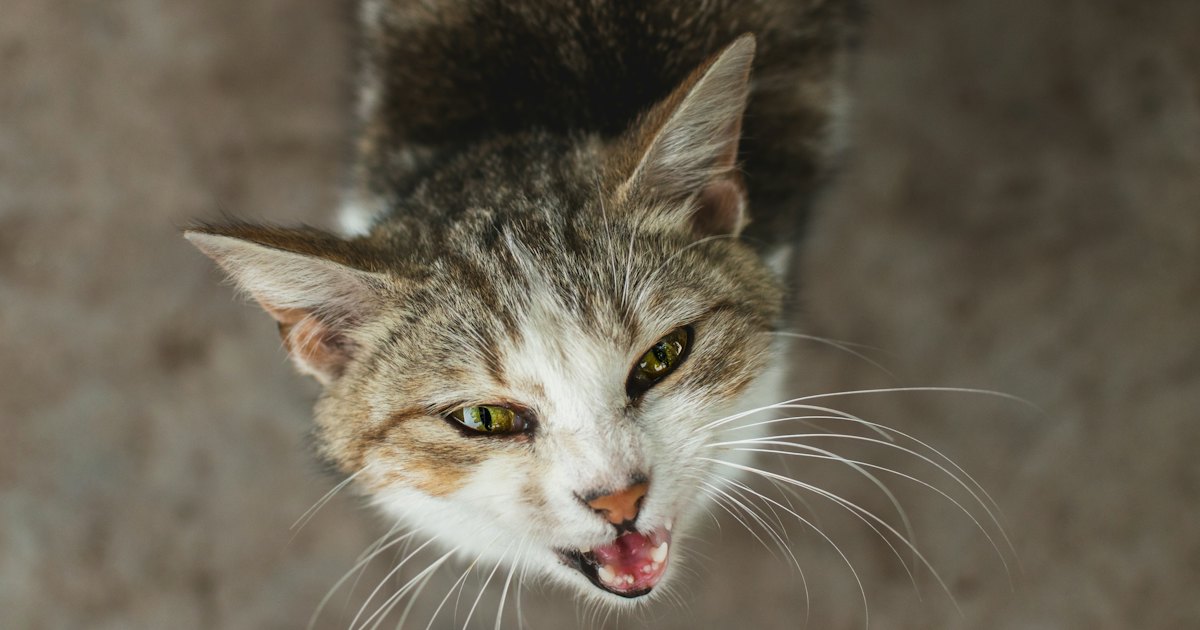
Kitten sounds fall into a few clear types, and each carries a message. Short mews and meows call for you, food, or attention. Purrs usually mean comfort, but sometimes stress. Trills and chirps are friendly greetings. Hisses and growls ask for space. Wet, congested, or wheezy sounds can point to illness.
On this page
Most kittens cycle through the same core sounds in their first 8 weeks. The trick is not the sound alone. Pitch, length, and how often it repeats change the meaning fast. A single mew at your feet reads very differently from a long cry repeated at 3am.
Newborn kittens start with tiny mews for warmth, milk, and their mother. As they grow, the range widens to purrs, trills, hisses, and the odd yowl. This guide walks each sound, what it usually means, and the few noises that mean 'call the vet.'
Cat Translator
What if you answered
in her own language?
Cat Translator gives you a playful answer in seconds — on the iPhone you already have.

PetTalk — Pet Translator
4.51,246+ ratingsFree


The 30-second kitten sound check
Short on time? Run this quick check before you dig into the full list.
- Is the sound short and high? Likely a greeting or a small request.
- Is it long, loud, and repeated? Your kitten wants something now.
- Is there a hiss, spit, or low growl? Give space and don't force contact.
- Do you hear wet clicks, wheezing, or congestion? Watch closely and consider a vet.
If you would rather get a quick, playful read, an app like Cat Translator turns the sound into a one-line guess in seconds. More on that below.
Step 1: Match the sound to its type
Start by naming the sound. Most kitten noises fall into six buckets. Use the table below to match what you hear to its usual meaning.
| Sound | What it usually means | What to try |
|---|---|---|
| Mew / short meow | Greeting, or a small ask for food or play | Answer it; check food, water, and litter |
| Long, repeated meow | A stronger demand or frustration | Meet the need or redirect with play |
| Purr | Comfort and contentment; sometimes self-soothing when tense | Enjoy it; check context if the body looks stiff |
| Trill / chirp | A friendly hello or 'follow me' | Greet back; follow if they lead you |
| Hiss / growl | Fear or a clear 'back off' | Give space; remove the trigger |
| Yowl | Distress, loneliness, or a night-time call | Comfort; rule out hunger or being shut in |
Step 2: Listen to pitch, length, and repetition
The same sound changes meaning with tone. Kittens push pitch up when they want something and drop it low when they feel threatened.
Length and repetition add urgency. One short mew is a hello. Ten fast mews in a row is a demand. A drawn-out cry that repeats every few seconds usually means real distress, not chit-chat.
Cat Translator
Still reading about the signs?
Open Cat Translator and try a recording next time your cat talks. Free on iPhone, iOS 16 or newer.
PetTalk — Pet Translator
4.51,246+ ratingsFree
Step 3: Read the body language and setting
Sound is only half the message. Match it to the body and the room.
- Loose body, upright tail, slow blinks: a happy, chatty kitten.
- Flat ears, puffed fur, low crouch: fear, so expect a hiss or growl.
- Pacing by the bowl or the door: a request tied to food or access.
For a fuller breakdown, see our guide on how to understand cat language.
Step 4: Flag the sounds that need a vet
Most kitten sounds are normal chatter. A few are not.
Wet clicking, wheezing, or a congested rattle can signal a respiratory issue, especially after eating or nursing. Raspy or near-silent meows can mean an irritated throat. Constant crying in a very young kitten can point to hunger, cold, or pain.
If the noise shows up mainly around meals, read why a kitten sounds congested after eating.
When in doubt, don't guess with health. Talk to your vet, or start with a trusted resource like the Cornell Feline Health Center.
Want a playful read in seconds?
You can decode every sound by hand with the steps above. If you want a fun shortcut, Cat Translator does one job: it turns the sound your kitten just made into a short line you can read.
It listens, analyzes pitch and length on your iPhone, and hands back a playful guess within seconds. The same app reads dogs too, so it is listed as PetTalk — Pet Translator on the App Store.
- Open Cat Translator and make a profile with your kitten's breed and age.
- Hold the phone near your kitten when they vocalize.
- Tap record and let the full sound finish.
- Read the translation and save it to your history.
| Approach | Best for | Time |
|---|---|---|
| Decode by ear (this guide) | Learning your kitten long-term | A few minutes |
| Cat Translator app | A quick, playful answer right now | Seconds |
It is free to download, needs iOS 16 or newer, and full access is $9.99 a year. On the App Store it sits at 4.5 stars from 1,200+ ratings. It is built for fun and curiosity, not a diagnosis. For anything medical, your vet comes first.
Cat Translator
Still reading about the signs?
Open Cat Translator and try a recording next time your cat talks. Free on iPhone, iOS 16 or newer.
PetTalk — Pet Translator
4.51,246+ ratingsFree
Frequently Asked Questions
Why does my kitten make so many sounds?
Kittens vocalize a lot because sound is their main tool to get needs met. In the first weeks, mews call their mother for warmth and milk. As they bond with you, meows, trills, and chirps become requests aimed at people. Frequent chatter is usually normal and often eases with age.
What does it mean when my kitten mews constantly?
Constant mewing usually means an unmet need. Check food, fresh water, a clean litter box, and whether a door has trapped them. Very young kittens also cry when cold or lonely. If the basics are covered and the crying stays intense, book a vet check to rule out pain or illness.
Why does my kitten chirp or trill at me?
A chirp or trill is a friendly greeting. Mother cats use it to call their kittens, and kittens reuse it with you. It often means 'hello' or 'follow me.' Many kittens also chirp at birds through a window, which reflects hunting instinct rather than distress.
Should I worry about a raspy or congested kitten sound?
A raspy or congested sound can be minor or a sign of a respiratory infection, so watch it closely. Occasional throat-clearing after eating is common. Persistent wheezing, wet clicking, nasal discharge, or labored breathing needs a vet. When breathing looks like hard work, treat it as urgent.
Can an app tell me what my kitten's sounds mean?
An app can offer a quick, playful guess, not a medical answer. Cat Translator analyzes pitch and length on your phone and returns a fun line in seconds. Treat it as entertainment and a conversation starter. For real health or behavior worries, a licensed veterinarian is the right call.