What Are Good Korean Cat Names?
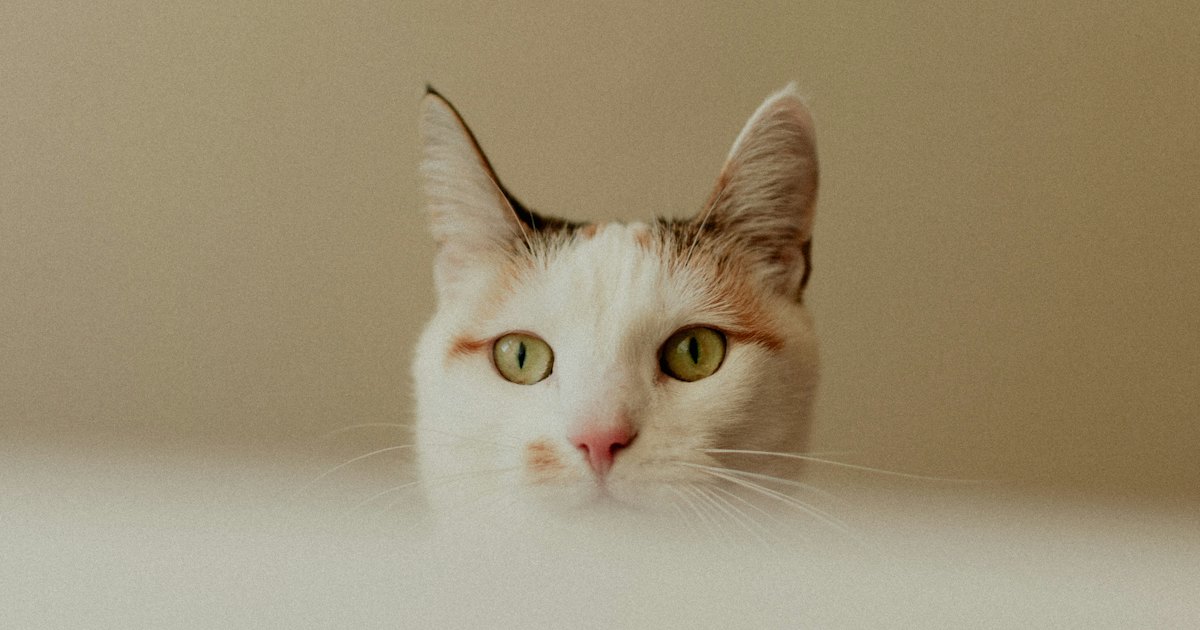
Good Korean cat names include Nabi (butterfly), Dal (moon), and Horangi (tiger). Korean naming favors short, soft syllables tied to nature, food, or sound. Each name carries a real Hangul meaning, yet it still rolls easily off an English-speaking tongue. Other strong picks pull from K-pop, K-dramas, and Korean snacks.
On this page
In practice, the name that sticks is the one your cat actually answers to. It's rarely the name that just sounded clever on a list. A quiet, food-loving cat rarely grows into a bold name like Horangi, which means tiger. Spend a few days watching how your cat moves and sounds before picking a name in Hangul or English.
Cat Translator
What if you answered
in her own language?
Cat Translator gives you a playful answer in seconds — on the iPhone you already have.

PetTalk — Pet Translator
4.51,246+ ratingsFree


The 30-Second Pronunciation Test
Run any shortlisted name through this quick check before you commit. It catches names that look great in Hangul but fall apart out loud.
- Say it twice, fast. If the romanization trips you up, a vet calling your cat in for a checkup will trip too.
- Call it from another room. A name that doesn't carry past a doorway is just text on a page.
- Check the Hangul spelling. Confirm it with a native speaker or a dictionary before you put it on a collar tag.
- Picture introducing your cat by that name at the vet or to a neighbor. If it feels natural out loud, it passes.
Method 1: Classic, Nature-Based Korean Names
Nature words make up the biggest group of Korean cat names, and most translate into one clean English word. They work for almost any cat, regardless of color or personality.
- Nabi (나비) — butterfly. A favorite for light-footed, playful cats.
- Dal (달) — moon. Fits a calm cat who prefers nighttime activity.
- Byeol (별) — star. Works well for a cat with bright, round eyes.
- Haneul (하늘) — sky. A soft pick for a laid-back, easygoing cat.
- Gom (곰) — bear. Suits a big, cuddly cat with a slow, heavy walk.
Method 2: Food-Inspired Korean Cat Names
Korean food names are playful, easy to say, and instantly familiar to restaurant regulars. They suit cats with warm or orange coloring especially well.
- Kimchi (김치) — the fermented, spicy Korean staple. A spicy-personality classic.
- Bokkeum (볶음) — stir-fried. A playful match for an orange tabby.
- Tteok (떡) — rice cake. A soft, chewy name for a round, stocky cat.
- Dalgona (달고나) — the honeycomb toffee candy. A sweet, golden-coated pick.
- Ramyeon (라면) — instant noodles. A comfort-food name for a cat who follows you to the kitchen.
Cat Translator
Still reading about the signs?
Open Cat Translator and try a recording next time your cat talks. Free on iPhone, iOS 16 or newer.
PetTalk — Pet Translator
4.51,246+ ratingsFree
Method 3: Trendy, K-Pop Style Names
K-pop stage names tend to be short and easy to shout across a room. Those are the same traits that make a good cat name. Borrowing that two-syllable rhythm works well, even without copying a specific idol's real name.
- Danbi (단비) — a welcome, sweet rain. A gentle name for a cat who showed up unexpectedly.
- Yuna — a common Korean given name with a soft, two-syllable rhythm.
- Jimin — another common two-syllable Korean name that works for any cat.
- Choco — not Korean by origin, but a simple pick for a brown or chocolate-point cat.
Method 4: Gender-Neutral and Meaning-Based Names
Korean nouns don't carry grammatical gender, so most names on this list work for any cat. Gender neutral cat names covers more unisex options if you want choices outside Korean.
- Bit (빛) — light. A short, bright, gender-neutral pick.
- Gaeul (가을) — autumn. A seasonal name that fits any cat.
- Gongju (공주) — princess. Pairs with Wangja (왕자), prince, for a sibling pair.
- Nunchi (눈치) — social awareness. A quirky pick for an alert, people-watching cat.
Method 5: Bold, Tiger-Style Names for Confident Cats
Horangi, Gom, and other strong Korean words pair well with a confident, strong-willed cat. If Korean words alone don't feel fierce enough, our badass cat names guide has more attitude-heavy picks in English.
- Horangi (호랑이) — tiger. Bold and literal.
- Gom (곰) — bear. Heavy, steady, and a little intimidating.
- Baram (바람) — wind. Fast, restless energy.
- Pokpung (폭풍) — storm. A dramatic name for an intense, high-energy cat.
Here's a quick side-by-side of the names above — sound, meaning, and best-fit cat type.
| Name (Hangul) | Meaning | Best for |
|---|---|---|
| Nabi (나비) | Butterfly | Playful, light-footed cats |
| Dal (달) | Moon | Calm, night-active cats |
| Byeol (별) | Star | Bright-eyed or small cats |
| Gongju (공주) / Wangja (왕자) | Princess / prince | Regal, demanding cats |
| Bokkeum (볶음) | Stir-fried | Orange, food-motivated cats |
| Horangi (호랑이) | Tiger | Bold tabby cats |
| Danbi (단비) | Welcome rain | Cats who arrived unexpectedly |
Cat Translator
Still reading about the signs?
Open Cat Translator and try a recording next time your cat talks. Free on iPhone, iOS 16 or newer.
PetTalk — Pet Translator
4.51,246+ ratingsFree
Frequently Asked Questions
What does Nabi mean in Korean?
Nabi (나비) is the Korean word for butterfly. It's a popular pick because it's short, easy to say, and fits a light, playful cat. Many owners choose it for the sound alone, without knowing the meaning going in.
Are Korean cat names hard to pronounce?
Most short Korean names translate easily into English sounds. Words like Dal, Gom, and Byeol use simple vowel-consonant patterns that don't need any Korean training. Longer names, like Bokkeum or Pokpung, take a bit more practice before they feel natural.
What are good gender-neutral Korean cat names?
Nature words like Dal (moon), Byeol (star), and Haneul (sky) work for any cat. Korean nouns carry no grammatical gender, so none of these lean male or female. For more unisex options outside Korean, check our gender neutral cat names guide.
Should I write my cat's name in Hangul or romanized letters?
Either works fine for everyday use. Check the romanization with a native speaker or a dictionary before you engrave it on a collar tag. Spelling systems vary, so the same sound can read as Kong or Gong depending on the source.
What are some food-inspired Korean cat names?
Kimchi, Bokkeum (stir-fried), Tteok (rice cake), and Dalgona (honeycomb candy) are popular food-based picks. They suit orange or food-motivated cats well, and most are easy for English speakers to say without extra coaching.