What Are the Most Popular Cat Names?
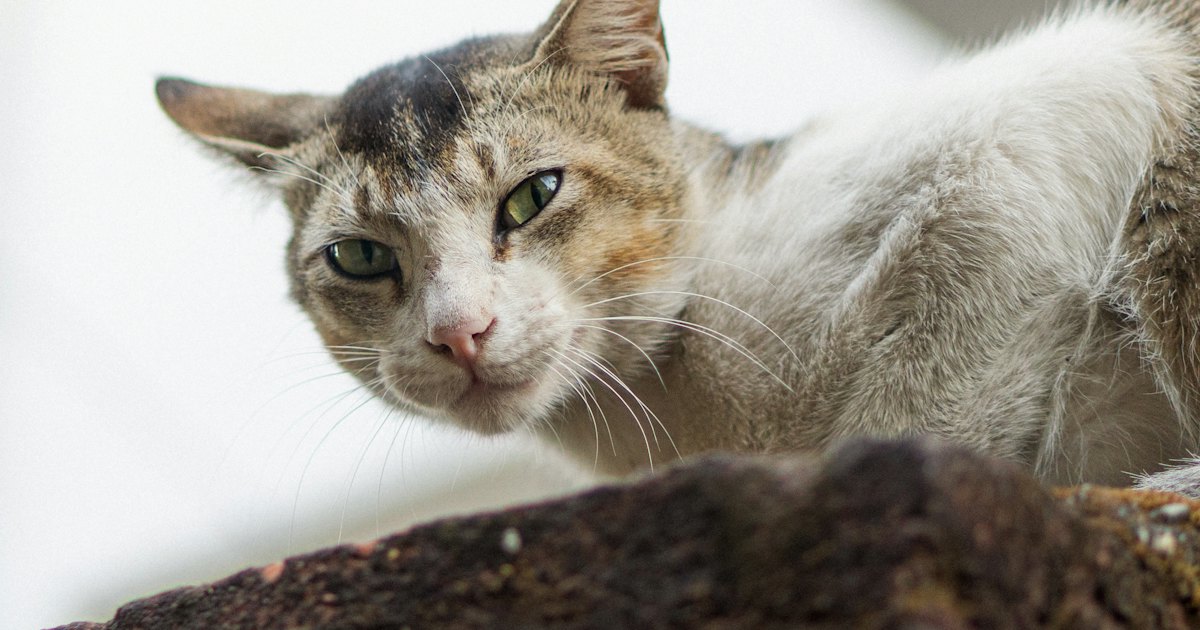
Most popular cat names are short, one or two syllables, and easy to call across a room. Owners lean toward names tied to looks (Shadow, Patches), food (Mochi, Biscuit), or personality (Boo, Ziggy). There's no single official ranking of cat names — shelters, vets, and pet apps each keep their own lists — but these patterns repeat everywhere you look.
On this page
In practice, a name earns its place during the first week home, not before adoption. A kitten that freezes at loud noises rarely grows into a convincing "Thunder." Pick "Garfield" for an orange tabby, and the cat might show none of the attitude. Watching how a cat moves and sounds for a few days beats picking a name cold from a list.
Cat Translator
What if you answered
in her own language?
Cat Translator gives you a playful answer in seconds — on the iPhone you already have.

PetTalk — Pet Translator
4.51,246+ ratingsFree


The 30-Second Test
Before committing, run any shortlisted name through this quick check. It takes about half a minute and catches names that read well on paper but fall flat out loud.
- Say it twice, fast. If you trip over it, your cat won't learn it either.
- Call it from another room. A name that doesn't carry isn't practical — it's just text.
- Check the vet form. Front-desk staff repeat it back at every visit, so pick something you don't mind hearing twice a year.
- Picture introducing your cat by that name to a new neighbor. If it feels natural, it passes.
Method 1: Classic and Timeless Names
Classic names stay popular because they're short, familiar, and easy for a cat to separate from background noise. Most land at one or two syllables with an open vowel at the end — the shape that carries best across a room.
- Luna — a short, recognizable pick, especially for cats with dark or patterned coats.
- Oliver — two soft syllables that are easy to call from another room.
- Bella — open vowel ending, works across most personalities and coat colors.
- Milo — compact and friendly-sounding, common for playful or social cats.
- Charlie — approachable enough that it reads as a name for a cat or a dog.
- Lucy — clean two syllables that hold up well when you're calling from outside.
Method 2: Food-Inspired Names
Food names tend to fit a specific look — cream fur, orange tabby stripes, or a round face — and they're some of the easiest names to say without sounding forced. They also sidestep the overused-name problem, since fewer owners reach for them first.
- Mochi — soft sound, common for round-faced or fluffy cats.
- Biscuit — fits a cream or light tan coat.
- Olive — short and easy to call, works for grey or green-eyed cats.
- Peanut — a common pick for small or young cats.
- Butters — playful two-syllable name for a pale or golden coat.
- Ginger — the default pick for an orange cat, and still a strong one.
Cat Translator
Still reading about the signs?
Open Cat Translator and try a recording next time your cat talks. Free on iPhone, iOS 16 or newer.
PetTalk — Pet Translator
4.51,246+ ratingsFree
Method 3: Personality and Look-Based Names
Some names come straight from behavior or markings instead of any theme. These work well if you'd rather wait and watch a cat settle in before deciding what fits.
- Shadow — common for a black cat or one that follows you room to room.
- Patches — fits a cat with distinct color blocks in its coat.
- Smokey — a natural match for grey or blue-grey fur.
- Tiger — the default for a tabby with bold stripes.
- Boo — short and a little mysterious, fits a quiet or shy cat.
- Ziggy — a name that leans into an energetic or offbeat personality.
Method 4: Pop-Culture and Theme Names
Pulling from a theme gives a name instant personality, and it's one of the recurring patterns in real cat names. A character, a pun, or a reference does double duty: it's memorable, and it usually has a story behind it when someone asks.
If you're drawing from a favorite world, our harry potter cat names guide covers character names that fit cats of every personality. If a theme name feels too soft, our badass cat names list leans the other way, with short, hard-sounding picks built for tough or dramatic cats.
| Name style | Examples | Works best for |
|---|---|---|
| Classic | Luna, Oliver, Bella, Milo, Charlie, Lucy | Most cats — short and easy to call |
| Food-inspired | Mochi, Biscuit, Olive, Peanut, Ginger | Cream, orange, or round-faced cats |
| Personality or look | Shadow, Patches, Smokey, Tiger, Boo, Ziggy | Owners who want to wait and watch first |
| Theme or pop-culture | Character or pun-based names | Fans who want a name with a story |
Method 5: Short Names That Actually Work
Once you have a shortlist, test it against three basics: length, sound, and how it looks on paperwork.
- Keep it to one or two syllables. Cats pick out short, sharp sounds faster than long strings of syllables.
- Pick a name that sounds nothing like your commands. A cat named "No" next to a dog you call with "Go" creates confusion for both.
- End on an open vowel when you can. Names like Luna, Mia, and Leo carry further than names ending in a hard stop.
- Say it out loud before you commit. Reading a name silently from a list hides how awkward it is to actually call.
Once the name is picked, the next question most owners ask is what the cat is actually saying back. Cat Translator — listed on the App Store as PetTalk — Pet Translator — lets you hold your iPhone up when your cat meows, purrs, or chirps, and returns a short, playful line in seconds. The analysis runs on the device, and no audio uploads anywhere. It's built for fun, not diagnosis, but it's a lighthearted way to "answer back" once the naming part is done.
Cat Translator
Still reading about the signs?
Open Cat Translator and try a recording next time your cat talks. Free on iPhone, iOS 16 or newer.
PetTalk — Pet Translator
4.51,246+ ratingsFree
Frequently Asked Questions
What are good cat names?
Good cat names are short, one or two syllables, and end in a clear vowel sound your cat can pick out from background noise. Classic picks like Luna, Oliver, and Bella work for most cats, while food names like Mochi or Olive suit a specific color or coat pattern.
What is the most popular cat name overall?
There is no single official ranking that everyone agrees on. Shelters, vets, and pet apps each keep their own lists, and the exact order shifts from year to year. Short, familiar names — Luna, Oliver, Milo, Bella — show up near the top of most of them.
Should a cat's name be short?
Yes, in most cases. One or two syllables carry better across a room and are easier for a cat to tell apart from everyday words like "no" or "down." Long names usually get shortened anyway, so starting short saves a step.
Do cats actually learn their names?
Most cats learn to connect a repeated sound with attention, food, or play, the same way they pick up other routines. They rarely respond the way a dog does — expect an ear flick or a glance rather than a run across the room.
Can I rename a cat I just adopted?
Yes. A cat isn't fixed to its shelter name the way some new owners assume. A new name tends to stick within a week or two if you pair it consistently with feeding, play, or affection, regardless of the cat's age at adoption.
Should the name match my cat's breed or color?
It can help, but it's not required. Color- or coat-based names like Smokey or Ginger make a name easier to remember, while classic names like Bella or Oliver work regardless of breed or markings.