What Are Good Russian Cat Names?
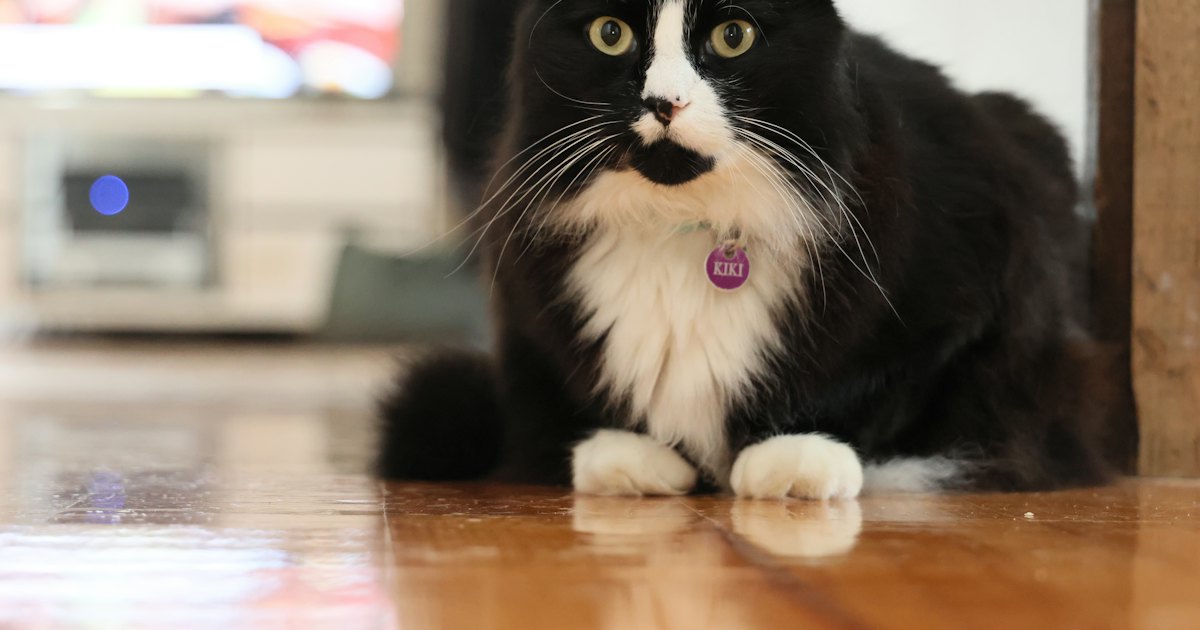
Popular Russian cat names include Murka, Barsik, Vaska, Snezhok, and Zima. These are real Russian words and nicknames — for purring, a classic male cat, a snowball, and winter — not names invented to sound Russian. Below are 42 options grouped by style, plus a table that matches each one to a meaning and a good fit.
On this page
Naming a cat from a different language sounds harder than it is. Russian gives you short nicknames, color words, and fairy-tale names that most English speakers can say on the first try. A few, like Murka and Barsik, are so common in Russia that they work almost like "Fluffy" does in English. Others take one extra try before they roll off the tongue. If Russian doesn't feel like the right fit once you've looked through it, our Spanish cat names guide has 63 more options in a different language.
Cat Translator
What if you answered
in her own language?
Cat Translator gives you a playful answer in seconds — on the iPhone you already have.

PetTalk — Pet Translator
4.51,246+ ratingsFree


Quick Picks: Russian Names a Cat Will Actually Learn
Cats respond best to short, one- or two-syllable names with a hard consonant sound. These seven are pulled from the full list below and are the easiest to call across a room.
- Vaska — the classic nickname for a male cat.
- Murka — the single most common female cat name in Russia.
- Zima — winter.
- Iskra — spark.
- Grisha — short form of Grigory.
- Katya — short form of Ekaterina.
- Dusha — soul, used as a term of endearment.
Method 1: Pick a Classic Russian Cat Name
Some names are tied to Russian cats so tightly that locals use them almost like generic labels, the way English speakers reach for "Fluffy" or "Tom." These six show up in Russian households, cartoons, and old sayings.
- Murka — female. Often linked to the Russian sound word for a cat's purr or soft meow. The most recognizable Russian cat name there is.
- Barsik — male. A nickname with no single agreed-on origin, but one of the most common names given to male cats in Russia.
- Vaska — male, short for Vasily. It shows up in Russian literature too, including a well-known 19th-century Krylov fable about a cat who won't stop eating.
- Kiska — female, an affectionate word for "kitty" that doubles as a name.
- Pusya — female, a soft, baby-talk nickname.
- Umka — unisex, a nod to the small polar bear cub from a classic Soviet cartoon of the same name.
These work well in the first week home, before you know if your cat is the bold type or the one who hides under the bed.
Method 2: Match the Name to Your Cat's Coat
Color words give you a name that fits the cat you can actually see, instead of one you picked before you'd met them.
- Snezhok — male, snowball. Fits a white cat.
- Dymka — female, a light haze or smoke. Fits a grey cat.
- Ugolek — male, little ember or coal. Fits a black cat.
- Ryzhik — male, built from ryzhiy, "ginger" or "red-haired." Fits an orange cat.
- Chernysh — male, from cherny, "black."
- Belyak — male, from bely, "white."
Two of these, Snezhok and Ryzhik, are common enough in Russia that a vet there would recognize them instantly as cat names, not just color words.
Method 3: Borrow a Word From Nature or an Animal
Weather and animal words are an easy middle ground — they sound like real names in English, too, and they don't need a coat color to make sense.
- Zima — female, winter. Good for a cat born in the cold months.
- Iskra — female, spark. Good for a high-energy kitten.
- Zvezda — female, star.
- Zarya — female, dawn.
- Groza — female, thunderstorm.
- Oblako — neutral, cloud.
- Molniya — female, lightning.
- Metelitsa — female, snowstorm or blizzard.
- Lisa — female, fox. "Lisichka," little fox, also works.
- Volk — male, wolf.
- Sobol — male, sable, the animal known for its fur.
- Tigr — male, tiger.
Most of these end in "a," which is the usual feminine pattern in Russian — handy to know if you want a name that reads clearly as a girl cat's name.
Cat Translator
Still reading about the signs?
Open Cat Translator and try a recording next time your cat talks. Free on iPhone, iOS 16 or newer.
PetTalk — Pet Translator
4.51,246+ ratingsFree
Method 4: Borrow a Name From Russian Fairy Tales
Russian folk tales have their own cast of recurring characters, and a few of their names work well on a cat with a strong personality.
- Vasilisa — female, the heroine of "Vasilisa the Beautiful."
- Alyonushka — female, the devoted older sister in the folk tale "Sister Alyonushka and Brother Ivanushka."
- Ivan — male, the hero of many Russian folk tales, often called "Ivan Tsarevich."
- Koschei — male, the deathless villain in several tales. A good fit for a cat with a dramatic streak.
- Domovoi — unisex, a household spirit said in Slavic folklore to guard the home.
- Zharka — female, short for zhar-ptitsa, "firebird."
- Seryi — male, "the grey one," the wolf character in several Russian tales.
For more literary and pop-culture options, see our list of famous cat names.
Method 5: Shorten a Human Russian Name Into a Nickname
Russian has a strong tradition of diminutives — short, affectionate versions of a full name. The same pattern that turns Alexander into Sasha works just as well on a cat. Wikipedia's overview of Russian names covers this naming habit in more detail.
- Masha — female, short for Maria.
- Sasha — unisex, short for Alexander or Alexandra.
- Mishka — male, short for Mikhail, and also the general Russian word for "little bear."
- Katya — female, short for Ekaterina.
- Grisha — male, short for Grigory.
- Alyosha — male, short for Alexei.
- Vanya — male, short for Ivan.
- Natasha — female, short for Natalia.
- Olga — female, a classic Russian first name, used as-is.
- Boris — male, a classic Russian first name, used as-is.
- Dusha — unisex, not a nickname but a common term of endearment meaning "soul."
Names ending in "a" — Masha, Katya, Natasha, Vasilisa — are usually feminine. Names like Barsik, Vaska, and Boris are masculine. Nature words such as Zima or Snezhok are more flexible and work for either sex.
Russian Cat Names at a Glance
If you're deciding between a few finalists, this table lines up ten popular picks from every category above.
| Name | Meaning | Best Fit |
|---|---|---|
| Murka | Linked to a cat's purr or soft meow | Any female cat |
| Barsik | No single clear origin | Any male cat |
| Vaska | Short for Vasily | Any male cat |
| Snezhok | Snowball | White cat |
| Ryzhik | Little ginger | Orange cat |
| Dymka | Haze or smoke | Grey cat |
| Iskra | Spark | High-energy cat |
| Vasilisa | Fairy-tale heroine | Confident female cat |
| Zima | Winter | A cat born in winter |
| Dusha | Soul (term of endearment) | Any cat |
Want to Know What Your New Cat Is Saying?
Picking a name is step one. Figuring out what your new Murka or Barsik is trying to tell you is a different question. Cat Translator — listed on the App Store as PetTalk - Pet Translator — lets you record a meow, purr, or hiss and get back a short, playful line in your cat's imagined voice. It's free to download, works on an iPhone running iOS 16 or newer, and has a 4.5-star rating from more than 1,200 App Store ratings. It's built for fun, not as a substitute for a vet visit.
Cat Translator
Still reading about the signs?
Open Cat Translator and try a recording next time your cat talks. Free on iPhone, iOS 16 or newer.
PetTalk — Pet Translator
4.51,246+ ratingsFree
Frequently Asked Questions
What is a good Russian name for a cat?
A good Russian name for a cat is a short, easy-to-call word like Murka, Barsik, or Vaska, since these are the most recognizable cat names in Russia itself. Color words such as Snezhok (snowball) or Ryzhik (ginger) work well too, because they describe a trait you can actually see. Fairy-tale names like Vasilisa suit a cat with a bold personality.
What does Murka mean in Russian?
Murka is a classic Russian female cat name often linked to the sound word for a cat's purr or soft meow. It doesn't have one fixed dictionary meaning on its own — it works more like "Tabby" or "Kitty" does in English, as a name almost anyone in Russia would recognize as a cat's name on sight.
What is the most common cat name in Russia?
Murka and Barsik are the two names most often associated with cats in Russia, the way "Fluffy" or "Whiskers" are stereotyped cat names in English. Murka usually goes to a female cat, while Barsik is typically given to a male cat of any color. Neither name has one single agreed origin story, but both are instantly recognizable.
Is Vaska a boy or girl cat name?
Vaska is traditionally a male cat name in Russia, shortened from the human name Vasily. It shows up often enough in Russian sayings and stories that "Vaska" can stand in for "some cat," similar to how English speakers might say "some tomcat." It isn't usually given to female cats.
What are some Russian names that mean winter or snow?
Zima means winter, Snezhok means snowball, and Metelitsa means snowstorm or blizzard — all common picks for a cat born in cold months or with white or grey fur. These words double as names without sounding invented, since they're everyday Russian vocabulary rather than made-up terms.
Do Russian cat names need a specific gender?
Most Russian cat names follow the same gender pattern as Russian given names, since many are shortened from them. Names ending in "a" — Masha, Murka, Vasilisa — are usually feminine, while names like Barsik, Vaska, and Boris are masculine. Nature and color words such as Zima or Snezhok are more flexible and work for either sex.